Big data in psychiatry: multiomics, neuroimaging, computational modeling, and digital phenotyping
NPP BrainPodShow Notes
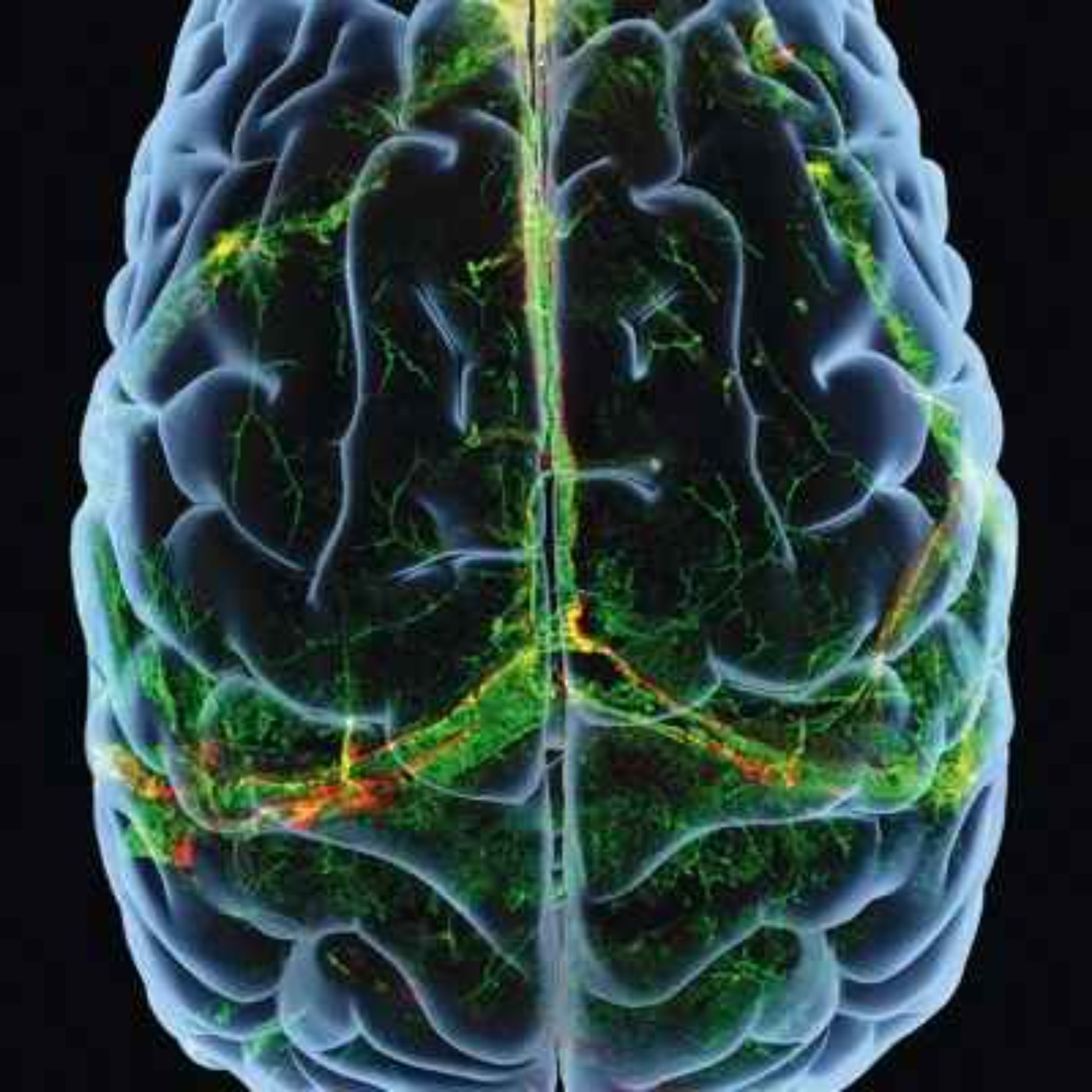
The world of medicine has been changing rapidly due to the increasing use of ‘big data.’ And there’s been a major revolution in this approach in neuroscience and psychiatry as well: computing power, sample sizes, neuroimaging technologies, digital approaches to phenotyping, and computational modeling all are already starting to unleash dramatic new understandings of the brain, as well as new approaches to treatment. And so the journal Neuropsychopharmacology recently published a Reviews issue on the topic of Big Data. Kerry Ressler, chief scientific officer at McLean hospital and professor of psychiatry at Harvard medical school, is one of the editors. Hosted on Acast. See acast.com/privacy for more information.
More from NPP BrainPod
Problematic alcohol use frequently occurs in conjunction with anxiety disorders. Between 20 to 40 percent of individuals with anxiety disorders are also diagnosed with alcohol use disorder. Anxiety can lead people to use alcohol to self-medicate, and disordered alcohol use can cause increased anxiety for people when they go through withdrawal.
Insomnia and depression are two serious and debilitating conditions. Insomnia on its own is linked to an increase in suicide risk, and insomnia can also exacerbate the severity of depression.
There are a number of theories that have been studied to try to explain addiction and drug use escalation, and thus to also create animal models of that behavior that can then serve to help develop treatments. One theory for escalation is that people feel worse and worse over time and so they take the drug to feel better. Another is that they just don’t get as much of a reaction to the drug and so need more and more of it to get the euphoria. And then there’s something called incentive salience, which is a craving for the drug.
Oxytocin has become known for having anti-anxiety and affiliative behavioral effects. That’s why clinicians and researchers are excited about using oxytocin as a potential therapeutic.
Cannabis, which is increasingly legally available, both for therapeutic and recreational use, is now one of the most commonly used drugs worldwide. Of people who have ever used cannabis, studies vary, but they estimate that about 10-25 percent of people who use cannabis go on to develop cannabis use disorder.