Show Notes
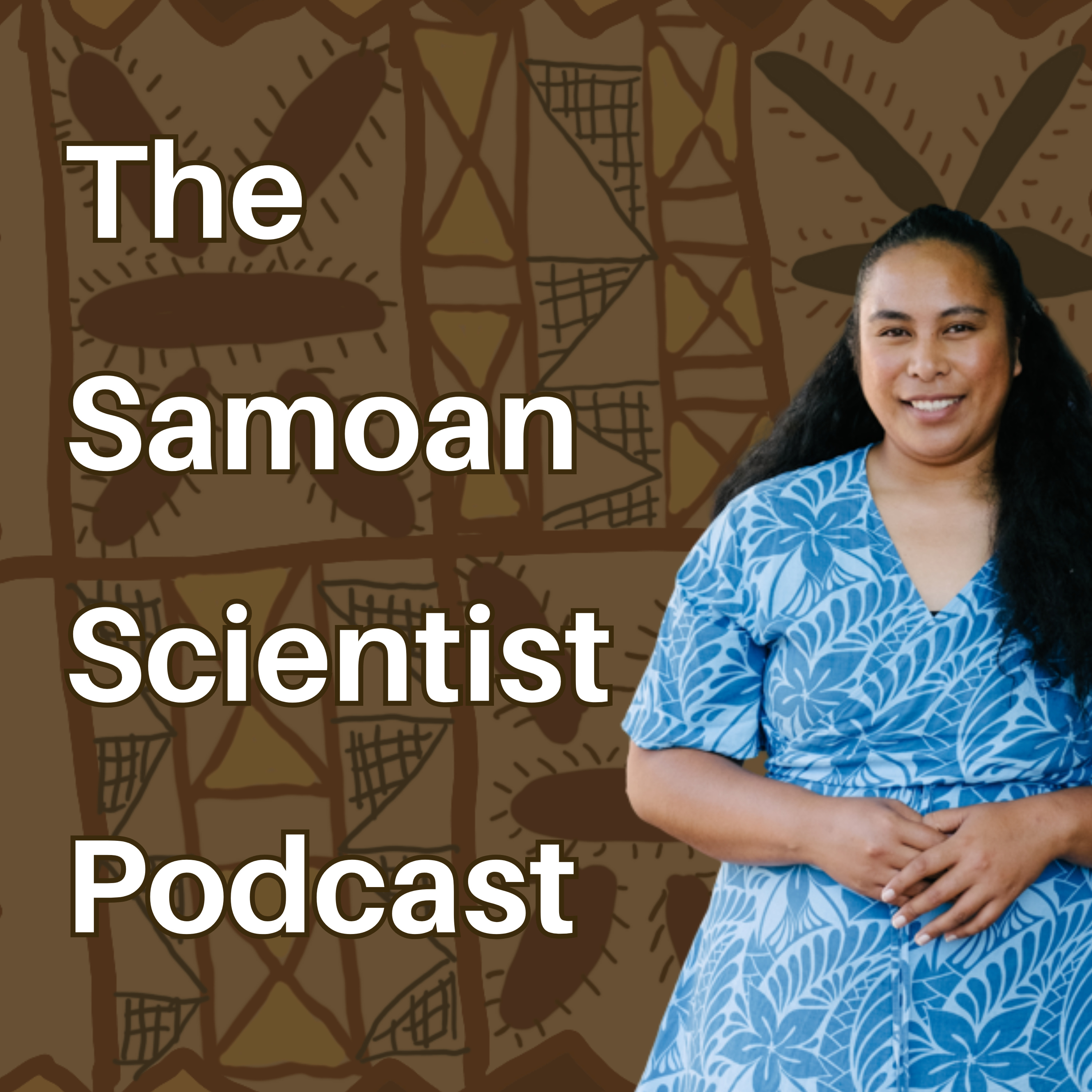
Introducing Eteroa Lafele, a Samoan software engineer. Born and bred in Cannons Creek, Porirua, Wellington. We talked about how Eteroa got into tech, her transition from Wellington to Auckland, to study at the Auckland University of Technology. Speaking her truth, about her experiences in Tech, as a Pacific women and her passion for supporting our Pacific Community.
You may want to adjust your volume because, we laugh A LOT on this episode!
If you have any questions for Eteroa or want to have chat. Send her an email [email protected] you can contact her on Facebook, Instagram and LinkedIn at Eteroa Lafele.
More from Samoan Scientist Podcast
Dr. Saki is serving as the associate dean for the Faculty of Biomedical Sciences at the University of Otago. He is involved in leadership roles, research on antimicrobial resistance, and advocating for more Pacific people to pursue post-grad and PhD studies. He emphasizes the importance of networking and supporting Pacific students in their research endeavors.
The conversation covers the importance of infectious disease surveillance in Fiji, the impact of research on community health, and the journey of the researcher and the support from the community.
The conversation covers various aspects of cell culture and molecular biology, including the use of bacteria, cell lines, techniques for analyzing data, and lab protocols. The discussion also touches on the use of waste bottles and the process of splitting cells.
Originally recorded in June 2026 for 531pi's Island Time during Sāmoan Language Week.
The Problem Was Never Our Genetics What if the key to better health for Pacific peoples wasn't a new diet trend or medication, but the foods our ancestors had been eating for generations? In this episode, Samoan scientist Amy Maslen-Miller explores the traditional Samoan diet through both cultural knowledge and modern science. From talo, ufi, ulu, fa'i, niu, and seafood, to the umu cooking method and traditional food preservation practices, we uncover how ancestral food systems supported health long before the rise of chronic disease. Amy also examines how colonisation, migration, and changing food environments transformed Pacific diets, contributing to the growing burden of obesity and type 2 diabetes seen today. Drawing on emerging research in nutrition, metabolic health, and Pacific genetics, she discusses why the problem was never our genes, and how traditional foods may offer important insights for improving health outcomes for future generations. This episode explores culture, history, science, and the growing evidence that some of the most powerful health solutions may already exist within Pacific knowledge systems.