Show Notes
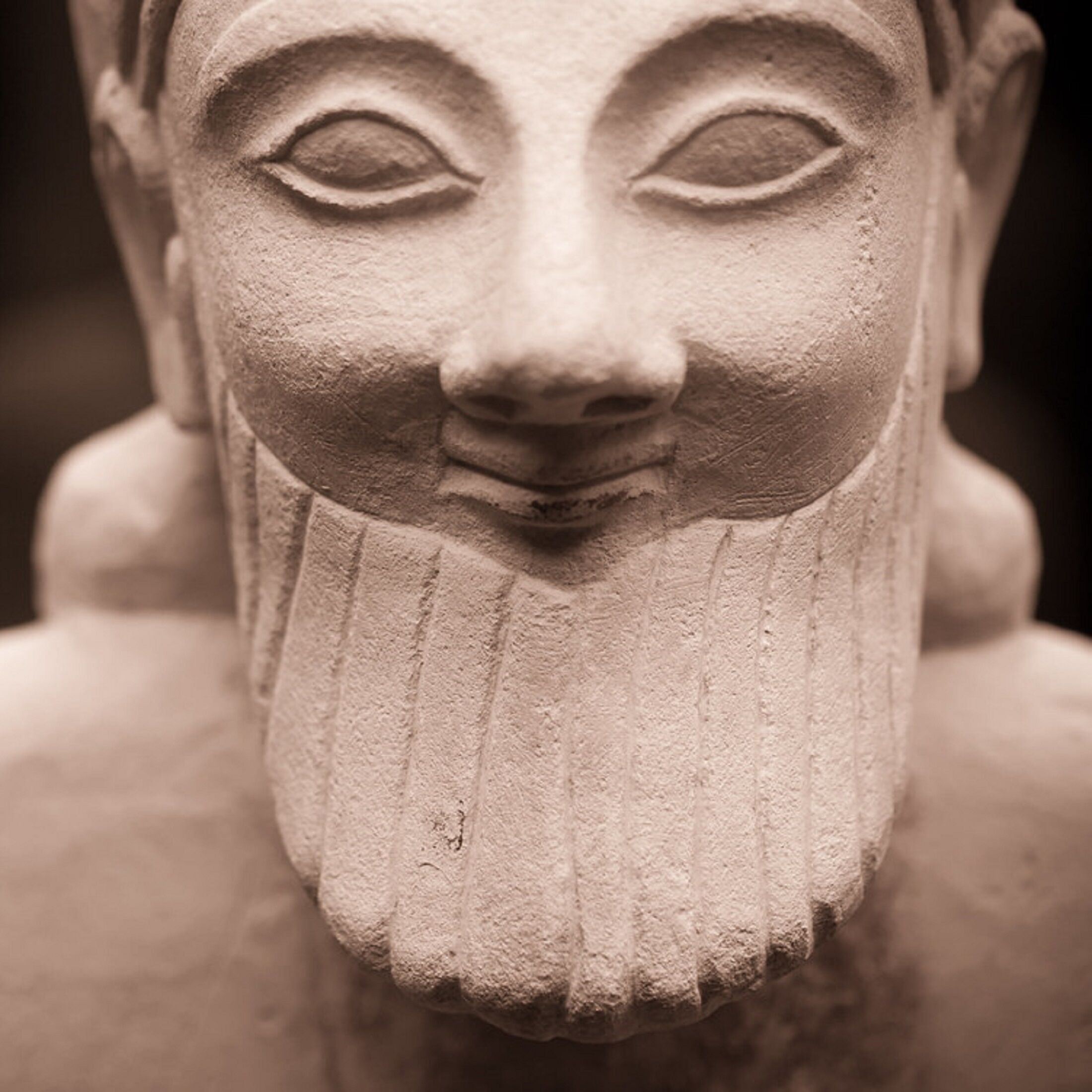
OK so "Vikings in Cyprus" is a bit hyperbolic as the term Viking tends to suggest pre-Christian marauding warriors who pillaged and plundered all over Europe -- which Cyprus didn't experience. But Scandinavians? Most certainly! Over the past couple of months, I have been scouring the sources for references to Scandinavians and their presence in Cyprus. So far, I have identified four key witnesses to this phenomenon, all from different parts of the Scandinavian world. Chronologically they are:
The Danish cleric Saxo Grammaticus, who first writes of King Erik the Evergood of Denmark's death and burial on Cyprus while travelling to the Holy Land (circa 1103);
The Icelandic abbot Nikulas Bergsson, who records the presence of a contingent of the Varangian Guard* stationed in Paphos;
King Sigurd the Crusader of Norway who stayed on Cyprus for sometime (c. 1107) before visiting Miklagaard ("The Great City," i.e., Constantinople), as recounted by the famous Icelandic writer Snorri Sturluson;
and finally St. Birgitta of Sweden, whose foreboding words to the Latin rulers of Cyprus come to us directly from her own testimony (14th century).
Together, their works offer rare but compelling evidence that Cyprus was not merely a distant waypoint, but a meaningful hinge between the West and the East within the wider world of medieval Scandinavian travel, devotion, and crusading activity.Please enjoy this bonus content of the dramatized excerpts (excerpts from all four have been included here in one extended Primary Source recording). Though I'd love to have a guest on the show to talk about the relationship between Scandinavia and Cyprus, I don't believe this has been explored in academia as I have not found any published paper. But the search continues!**Famed for their loyalty and ferocity, the Varangian Guard was a contingent of Scandinavian, Anglo-Saxon and Rus mercenaries that served as a personal guard to the Emperor in Constantinople.
More from The History of Cyprus Podcast
Sir Henry Light, a British officer stationed in Malta in 1814, received permission to travel through Egypt, the Holy Land, and Cyprus. Motivated by curiosity and leisure, he documented what he saw with detailed notes and sketches, capturing both the landscape and the people he encountered. In this excerpt, he describes the strong Frankish presence in Larnaca, noting the European consulates, Catholic churches, and the widespread use of Italian among the locals. A perfect segue into my next interview with Dr. Nicos Coureas as we discuss the Latin Community in Cyprus.
In this episode, I speak with award-winning cookbook author and food storyteller Irene Matys about her internationally acclaimed cookbook, My Cypriot Table, winner of the Gourmand World Cookbook Award for Best Mediterranean Food Culture Book in the World and, most recently, a 2026 Taste Canada Awards finalist. Irene shares her journey from being displaced from her home in Famagusta to building a new life in Canada as a refugee, and how those experiences inspired her cookbook. We also explore the rich traditions of Cypriot cuisine, the stories behind some of her favourite dishes, and the enduring connection between food, family and home.--------------------------------------------------------------You can find My Cypriot Table at any of these following websites around the world:
In this episode, I’m joined by Dr. Anna Charalambidou and Dr. Petros Karatsareas—two linguists whose work explores how language, identity, and culture evolve in Cypriot and diasporic communities. Together, they founded The Grenglish Project, which documents and celebrates the distinctive mix of Cypriot Greek and English spoken by London’s first-generation Cypriots. We discuss the history of Cypriot migration to the UK, how communities formed, and how their language adapted over time. From code-switching and new hybrid words to shifting attitudes about “correct” Greek, Anna and Petros reveal how Grenglish reflects both heritage and change. Ultimately, the project offers a window into how language keeps diasporic identity alive across generations.
If you ever wanted to learn Cypriot Greek, it's never been easier. Cyprusays® is a language learning app designed to help learners speak Cypriot Greek naturally and confidently. In this Special "Primary Source," I speak with Australian born Effie Athanassiou, the Founder and CEO, along with her husband, Costas Athanassiou, serving as Executive Partner. The app goes beyond standard Greek to focus on the expressions, pronunciation, and cultural context that make the Cypriot dialect unique. Through short, engaging lessons, real-life phrases, and cultural insights, Cyprusays helps learners sound authentic while understanding the language as it’s actually spoken on the island. You can download it now on Google Play and on the App Store for iOS.
In this episode, we explore the complex history and contemporary character of Turkish Cypriot Islam, a tradition often described as highly secular, private, or even residual. My guest, Mete Hatay (Senior Research Consultant from the Peach Research Institute in Oslo), helps me unpack the many explanations Turkish Cypriots themselves have given for this secularism -- from claims of Alevi or crypto-Christian ancestry to broader narratives shaped by modern Turkish nationalism and a long history of religious marginalization.We trace Islam’s arrival in Cyprus and examine how early patterns of settlement—including the banishment of heterodox or “undesirable” Muslim groups to the island—shaped the religious landscape. The episode examines how the mid-19th century Ottoman reforms began dismantling these traditions long before modern secularism took hold. We explore how efforts to centralize authority, suppress heterodox practices, and control waqf resources alienated Cypriot Muslims from their own religious institutions. British colonial rule, despite preserving formal autonomy through the Evkaf, further weakened Islamic infrastructure.We also look at how Cyprus became an unexpected refuge for Young Turks and how, in the early 20th century, Kemalist ideals found unusually fertile ground among Turkish Cypriots--shaping attitudes toward religion, education, and public life for decades to come.