Show Notes
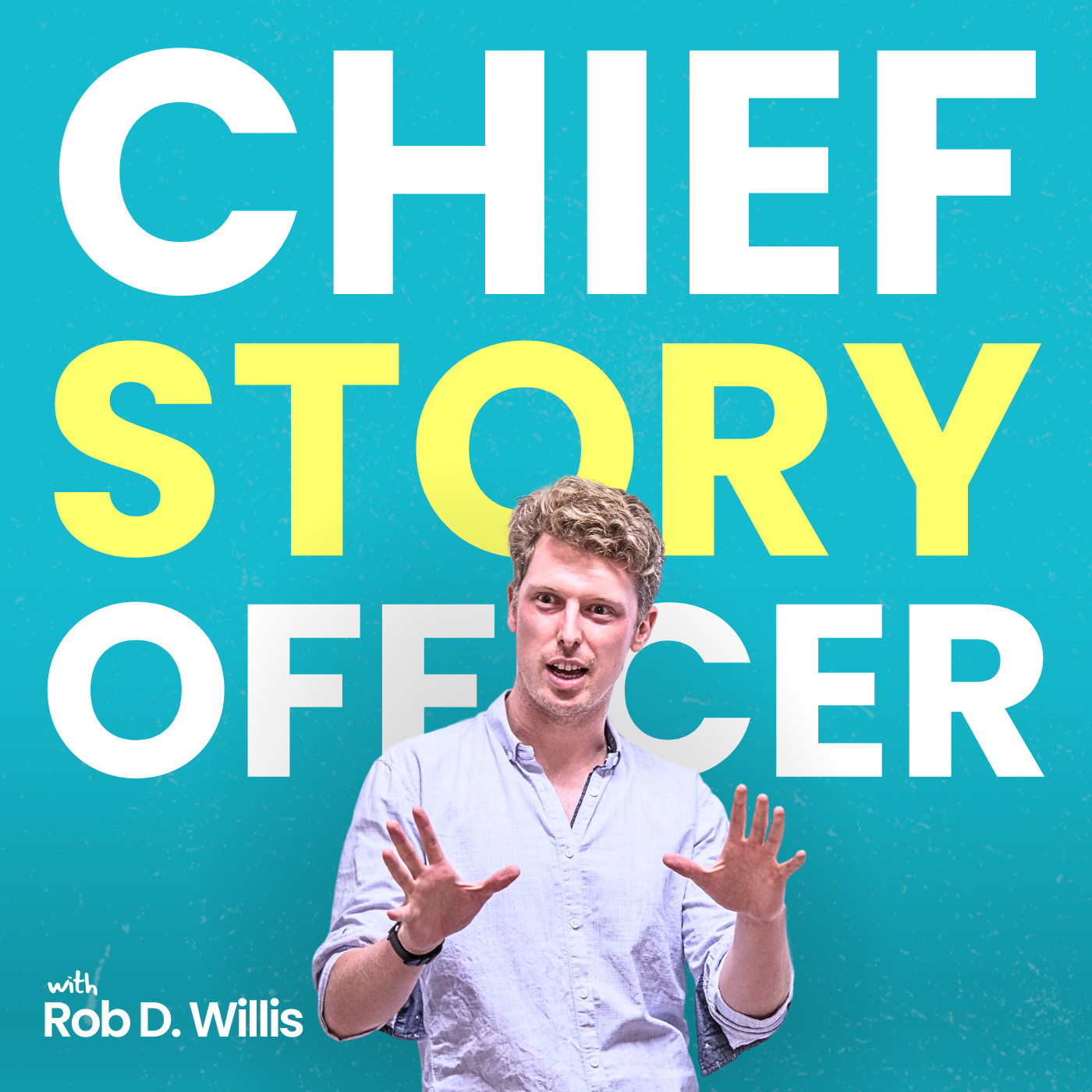
Welcome to Chief Story Officer. In this quick trailer, host Rob D. Willis introduces the show: conversations with executives and thought leaders about how storytelling shifts strategy, wins buy-in, and drives results. Every episode delivers tactical frameworks, real examples, and specific moves you can apply immediately in your leadership communication. New episodes drop every two weeks. Subscribe now and never miss a conversation that could change how you communicate strategy.
More from Chief Story Officer
Christian O'Connell, broadcaster, writer, and the first person in history to host the number one breakfast radio show in two different countries, joins the show to share why the messy, unscripted moments are the real gold in storytelling and connection. In this candid conversation, we dive into the messy magic of authentic storytelling, the dangers of performative connection in the age of AI, and why the best leaders drop the act to let people meet the real person beneath the title. Christian O'Connell reveals hard-won lessons from decades on the radio, interviewing icons from Mick Jagger to Jon Hamm, and the pivotal moment he realised his success was built on an avatar rather than his true self. Christian O'Connell shares the story behind his move from the UK to Melbourne, facing brutal rejection and turning it into connection through vulnerability and honest storytelling. He introduces the "woodshed", his ever-growing collection of real-life fragments and explains why charisma is ultimately about presence, not performance. You'll walk away with practical ways to find and record your own resonant stories, tips for building connection (not just credentials), and permission to be just 10% braver because the world needs less polish and more humanity.
Matthew Dicks, author of Storyworthy & Stories Sell, joins the show to share the origin of "Homework for Life" and why most people erase the best moments of their own lives without realising it. In this episode, we delve into the power of personal storytelling in business, why a single rehearsed narrative won't cut it, and how the right story can make time slow down, bring teams together, and turn any moment no matter how ordinary into something unforgettable. Matthew Dicks shares the origins of his celebrated “Homework for Life” practice, the surprising secrets behind his storytelling spreadsheet, and how authentic stories told through your personal lens outperform anything scripted. You’ll hear how creating a culture of storytelling can unlock hidden memories, reveal what your company truly stands for, and move people to action. You’ll walk away with a simple daily habit to harvest story-worthy moments, practical tips for finding your best material, and the mindset shift that will help you capture, craft, and share stories that actually land wherever you happen to be.
Jason Barnard, founder of Kalicube and inventor of the Kalicube Framework, joins the show to reveal why the story machines repeat about you online rarely matches the story you want to tell and how to fix it. In this episode, we dive into the little-known world of storytelling for machines, why the first audience for your personal brand is no longer a person, but AI. From entity homes and online ambiguity to how Google or ChatGPT decides which “you” to present, Rob and Jason unpack the new rules for making your narrative machine-readable. Jason Barnard reveals how leaders can wrangle their sprawling digital histories, reframe their “blue dog moments,” and strategically manage their multifaceted stories so AI lands on the right headline. He shares practical frameworks for clarifying your message, structuring your About page, and turning corroboration into your secret weapon. Listen in and you’ll discover why third-person bios matter, how to spot and fix narrative drift, and a step-by-step action plan that puts you, not the algorithm, in the driver’s seat. If you want the strategy behind being known for what you choose, this one’s essential. KEY TOPICS Why your online narrative is only as strong as its consistency across every platform [00:09] Building an "entity home" to guide AI's understanding of who you are and what you do [02:28] The three-part process: claim, corroboration, and proof for strengthening your digital reputation [20:46] How to reframe past careers so they support your current story (and avoid becoming "the blue dog") [26:36] The first step for every leader: secure your own domain and create an About page that aligns your story [30:16]
Kendall Haven, narrative influence architect and author of StoryProof and StorySmart, joins the show to uncover why it’s not the story you tell that matters, it’s the one your audience creates for themselves. In this episode, we dive into the science behind why the only story that matters is the one your audience builds in their own mind, and how the best communicators shift from speaker-centric to audience-centric storytelling. We break down the moments when words alone fail, and how unexpected interpretations can trigger reactions you never intended, whether you’re announcing a new strategy, persuading for change, or simply trying to get a process adopted. Kendall Haven reveals the eight levers you can pull to ensure your story lands focusing on character, motive, conflict, risk, and more, backed by decades of research with everyone from NASA to the World Bank. He shares his practical process for identifying your true target audience, unpicking their real blockers, and engineering stories that move them to action (or intentional inaction). You'll discover why emotion is the driver of influence, how to road-test your message with the "green VW" experiment, and a repeatable toolkit for ensuring your stories are remembered, not just heard.
Elliott Rayner, Fractional Head of Storytelling and creator of The Story Cohort, joins the podcast to explain why a truly strategic narrative is less about individual creativity and more about aligning every voice in the company around a core message. In this episode, we dig into why storytelling is moving from a personal skill to a vital company function, what “head of storytelling” roles actually mean in today’s market, and how alignment rather than creativity can be the difference between a brand that cuts through and one that fades away. Elliott Rayner shares the patterns emerging from new storytelling job descriptions, a step-by-step process for creating narrative alignment across teams, and a real-world example of transforming a tech product’s chaos of messages into a single narrative everyone could own. He also unpacks how AI can help expose gaps in a company’s story, but only if you know where to shine the torch. You’ll leave with three deceptively simple questions to test your company’s narrative alignment, a concrete method for measuring where your team stands, and the practical next steps to get every colleague telling the same compelling story.