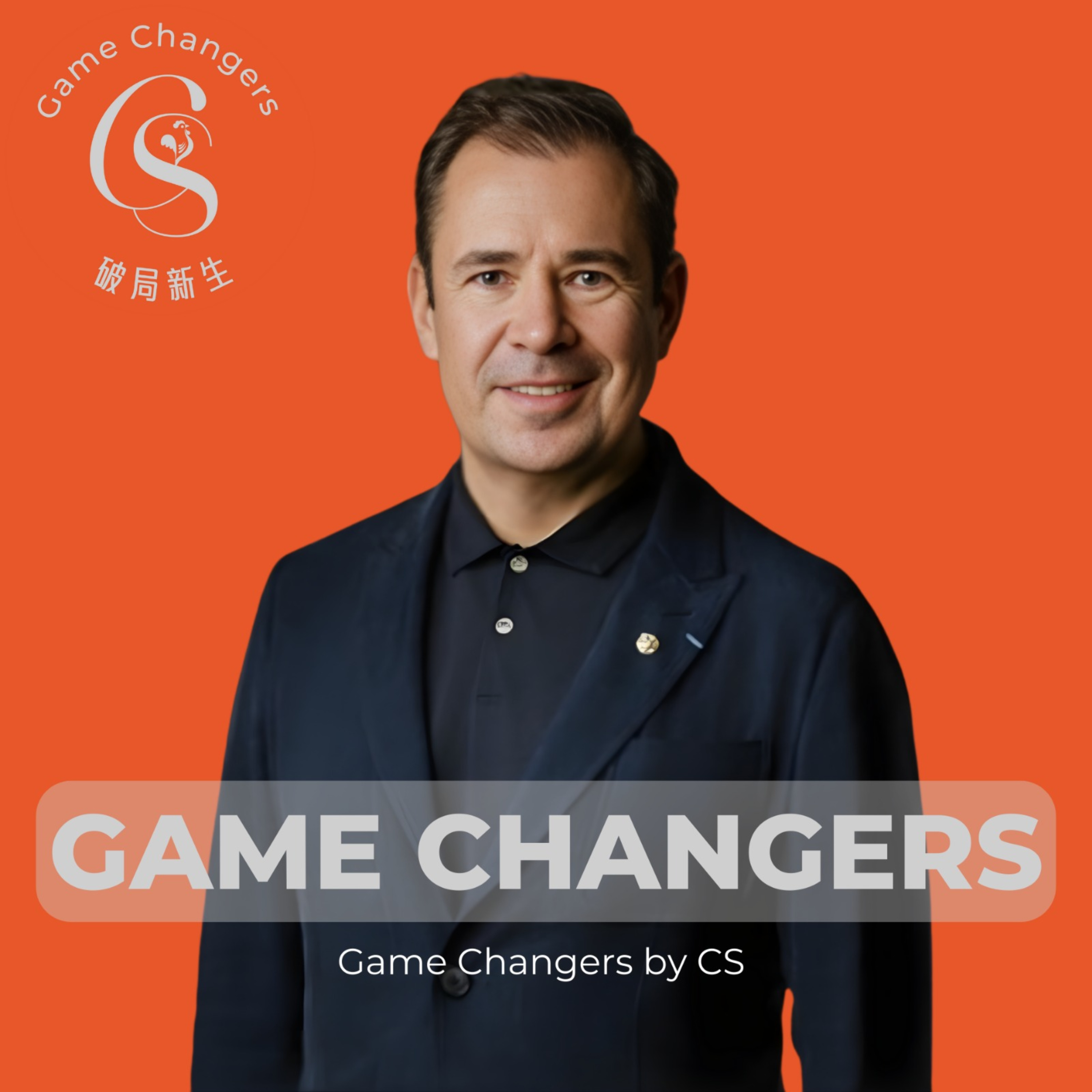
Inside the Mind of a Master Chef Who Built Iconic Hotels | Executive Chef Josef Budde
Game Changers by CSShow Notes
What does it really take to become a world class chef and develop Michelin level talent
In this episode we sit down with Master Chef Josef Budde to break down the mindset discipline and philosophy behind building elite chefs and world class kitchens. He opened and ran iconic hotels as Executive Chef including Grand Hyatt Hong Kong and Grand Hyatt Tokyo.
From mentoring young chefs to developing excellence over years of hard work this conversation dives into what separates good from truly exceptional in the culinary world
If you are serious about hospitality leadership or becoming the best in your craft this is a must watch
Subscribe to THE WORLD OF CS for more insights from the top minds in hospitality and business
More from Game Changers by CS
Luxury Hospitality Strategist. Global Operator. Brand Builder. A global hospitality leader with senior operational experience across Rosewood, Hyatt and Starwood. Exploring leadership, operational excellence and the making of world-class hospitality brands. Achim Lenders started working in a kitchen at just 14 years old. What followed was a career that took him from chef to senior leadership roles across Hyatt, Starwood and Rosewood, overseeing hotels, restaurants and operations around the world. But this conversation is not simply about career progression. It is about what leadership costs. What pressure teaches you. And what it takes to keep growing over decades. Achim reflects on the discipline required to build strong foundations, the failures that taught him the most and why growth often begins when you deliberately leave your comfort zone. We discuss the difference between a manager and a leader. Why great hotels and restaurants need soul and character. Why one high performer can sometimes damage an entire team. And why true leadership means creating a vision people understand — even when you are no longer in the room. The conversation also becomes personal. Achim speaks about missed family milestones, the support of his wife, the loneliness that can come with senior leadership and the importance of writing down clear goals. One of his most powerful habits was remarkably simple. He invested 10% of his salary in his own development and dedicated one hour every day to learning. Simple. But imagine the compound effect over decades. Talent helps. But discipline, curiosity and the willingness to keep improving are what build a career that lasts. What are you deliberately doing today to become the leader you want to be tomorrow?
Chef Willy Trullàs Moreno has spent nearly three decades building restaurants, leading teams and developing a style of cooking that carries his Spanish roots across Asia. But behind the food is a much bigger story about discipline, curiosity, adaptability and how a definition of success changes over time.
Antonio Lai was 16 years old when he went to hospitality training school. His school results weren't great. So he got a certificate in food and beverage and housekeeping and started looking for work.
Most chefs who achieve three Michelin stars change. They become guarded. Protective of their legacy. Comfortable with what they've built. Richard Ekkebus did the opposite. The night his restaurant achieved three stars, he couldn't sleep. He made a mental list of 40 things that still needed improvement. Forty ways to get better at something he'd already achieved perfection in. His journey began in his grandparents' restaurant in Holland, foraging wild berries as a child. His father was an engineer and didn't want him to become a chef. He saw the sacrifice. The missed family moments. The lifestyle cost. But at 16, Richard felt something in those kitchens. An energy. A discipline. A calling. He started as a kitchen porter. Worked under two mentors who defined his entire philosophy. Robert Carnivore taught him excellence. But Guy Savoy taught him something more important: that kitchens don't need to be abusive. That teamwork beats fear. That culture is built through connection, not control. At Landmark Mandarin Oriental, Richard leads multiple concepts. Not to multiply revenue. To create different ways for guests to experience something meaningful. A Michelin restaurant. A casual bistro. A champagne bar. Each one a reflection of the same principle. His core philosophy comes from Jean-Pierre Chome: "We cannot be more royal than the king." We are servants to our guests. That's where our dignity comes from. Most chefs protect three stars. Richard uses them as evidence that the work continues. That curiosity matters more than comfort. That excellence is a direction, not a destination. Are you protecting your success or are you continuing to evolve? Follow WORLD OF CS if you want to master hospitality and leadership
What does it take to stay at the top for more than four decades? Daniel Boulud grew up on a farm near Lyon. His parents had honesty, passion, and pride in what they did. And those values transpired through everything he has done. The table was always ready. The door was always open. The family would sit together, cook together, share together. His father worked the farmer's market every Saturday with 30 to 40 feet of stall—vegetables, cheese, eggs, rabbits, duck, squab, baby goats. Everything from the farm. And every week, the customers were the same. The loyalty was built on trust. On relationship. On earning confidence week after week. That foundation never left him. Whether it's building restaurants in New York, Washington, Hong Kong, or anywhere in the world—it's the same principle. Trust. Relationship. Earning loyalty. But there's something else that sustains a career this long that people don't talk about. The sacrifice. The difficulty of disconnecting from the work to have a life. Chefs choose a profession rewarded by talent and creativity. But it's hard to turn it off. To be present for things that matter outside the kitchen. That's the real cost of staying at the top for 40 years. Not the Michelin stars. Not the restaurants. But the constant choice to give everything to the work, knowing what that costs you. The ones who last are the ones willing to pay that price. What are you willing to sacrifice for mastery? Follow WORLD OF CS if you want to master hospitality and leadership