Summary
Jared Kushner's iPhone was allegedly hacked twice by Russian military intelligence, according to claims in a new book by investigative journalist Matthew Cole. The book, excerpted in Vanity Fair, details how Dutch intelligence reportedly gained access to Kushner's phone after discovering the initial breach by the GRU. In late 2017, Dutch spies learned that a Russian hacker was traveling to the UK and managed to turn him into a double agent, which led to them accessing a GRU server containing stolen information, including screenshots of Kushner's phone.
The implications of this breach are significant, especially considering Kushner's role as a senior advisor in the Trump administration. The Dutch intelligence allegedly monitored Kushner's phone activity, including a transaction involving hundreds of millions of dollars between banks in the UAE and Azerbaijan. Kushner's representatives have denied the allegations, calling them baseless and claiming there is no public evidence to support them. The situation raises concerns about the cybersecurity practices of high-ranking officials and the potential vulnerabilities of personal devices used for sensitive communications.
In related discussions, cybersecurity experts emphasize the growing risks posed by easy access to personal information through data brokers and social media. The conversation highlights the need for organizations to implement protective measures for their executives, including monitoring online presence and reducing digital exposure. As technology evolves, the threat landscape continues to shift, underscoring the importance of vigilance in both personal and professional spheres.
Show Notes
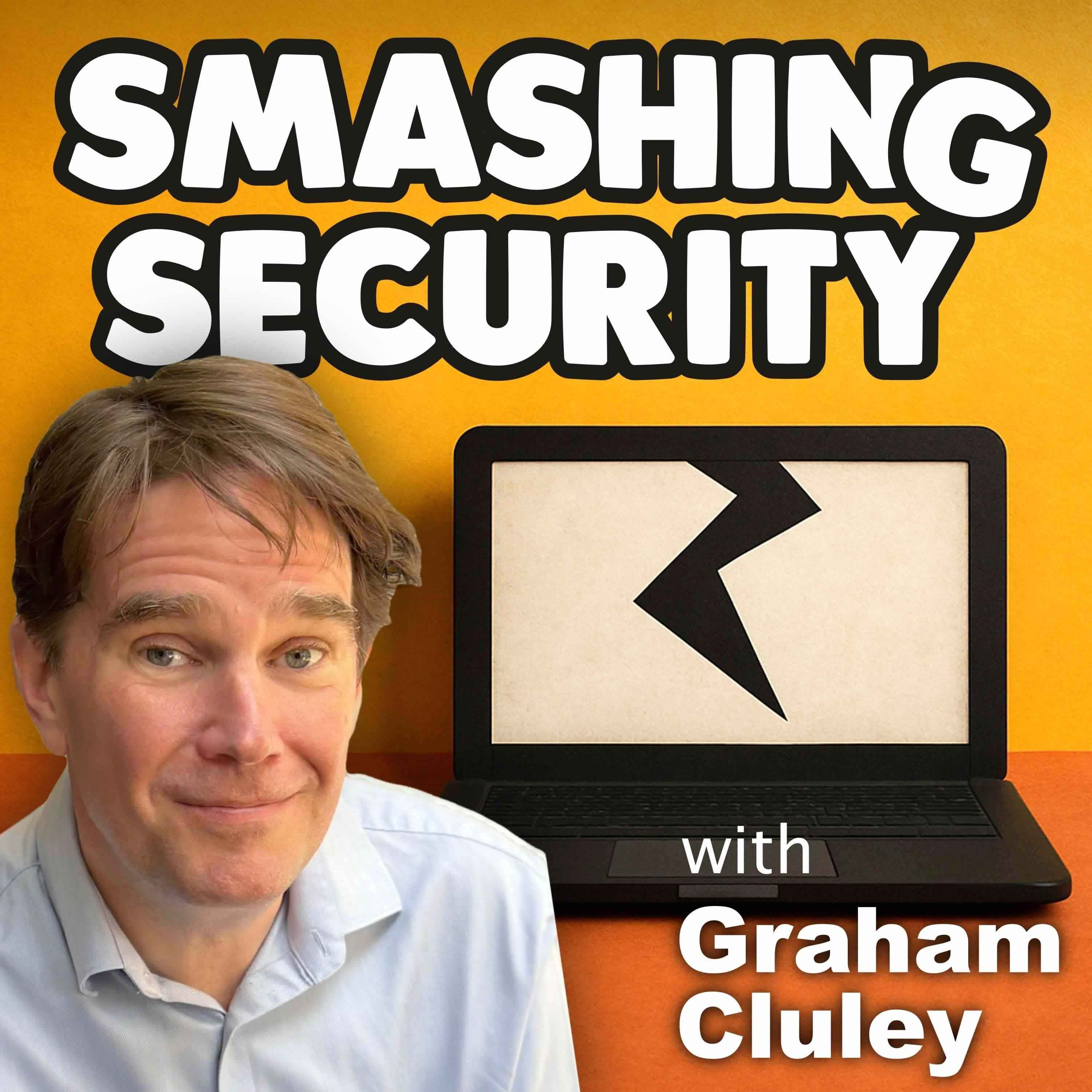
Dutch spies, Russian hackers and Jared Kushner’s iPhone. It sounds like the ingredients for a thriller, but according to claims in a new book the US President's son-in-law may have been hacked twice. Is any of it true, and what does it tell us about the phones in our pockets? Meanwhile, James Ball explains that of the internet’s most trusted security keys were protected by numbers so small that one of them was... four. Yes, "4". And then, of course, to make the week worse we suffered a PHPocalpyse... Plus, Chuck Randolph of 360 Privacy explains how the internet has made it scarily easy to put company executives and public officials in danger. All this and more in episode 490 of the “Smashing Security” podcast with cybersecurity expert and keynote speaker Graham Cluley, and special guest James Ball.
EPISODE LINKS: Signal bug could let someone keep listening after you hang up - Malwarebytes. Post by @safety.bsky.app - Bluesky. How a Massive Chinese Crime Ring Hacked Staples to Steal Millions - 404 Media. How The Intercept might have helped unmask Reality Winner to the NSA - Graham Cluley. The Art of the Deal: Jared Kushner’s Hacked Phone Revealed His Secret Negotiations- Including More Than $700 Million in Transfers - Vanity Fair. Kushner iPhone hack claims: Dutch spies accessed GRU-compromised device - Cybernews. Tweet by Kim Zetter - X (formerly Twitter). Meet the seven people who hold the keys to worldwide internet security - The Guardian. The Internet goes on high alert after discovery of 8 compromised TLS certs - Ars Technica. Indian certification authority eMudhra’s private keys compromised – one of them was the number ‘4’ - The Register. eMudhra to Exit global SSL/TLS Certificate Business - Emudhra. 'Doing a Ratner' and other famous gaffes - The Telegraph. Websites taken down worldwide as critical PHP cyber-security update issued - BBC News. PHP blames supply chain security biz Chainguard for putting huge chunks of the web at risk - The Register. 2023 Battagram cable car incident - Wikipedia. Hanging By A Wire. Watch Taskmaster- Channel 4. Smashing Security merchandise (t-shirts, mugs, stickers and stuff)
SPONSORS: Origin - Endpoint AI observability. Put your AI agent on the record, and request a demo. Vanta - Expand the scope of your security program with market-leading compliance automation… while saving time and money. Smashing Security listeners get $1000 off! 360 Privacy - End-to-end digital exposure reduction for organizations, executives, and families. Request a demo to reduce your digital footprint.
SUPPORT THE SHOW: Tell your friends and colleagues about Smashing Security, and leave us a review on Apple Podcasts or Podchaser. Become a supporter! Join Smashing Security PLUS via Patreon or Apple Podcasts for ad-free episodes on our early-release feed!
FOLLOW THE SHOW: Follow us on Bluesky or Mastodon, or on the Smashing Security subreddit, and visit our website for more episodes.
THANKS: Theme tune: 'Vinyl Memories' by Mikael Manvelyan. Assorted sound effects: AudioBlocks.
Privacy & Opt-Out: https://redcircle.com/privacy
More from Smashing Security
Imagine buying a brand new hardware wallet for your cryptocurrency with the shrink-wrap still on... what could possibly be hiding inside? We break out a Geiger counter and a cat to find out. Meanwhile, malicious ads are targeting journalists with zero-click attacks. Plus, Origin’s Spencer Thompson reveals what AI agents are really getting up to on your employees’ laptops when nobody’s looking. All this and more in episode 489 of the “Smashing Security” podcast with cybersecurity expert and keynote speaker Graham Cluley, and special guest Lianne Potter.
A ransomware negotiator attended a cybersecurity conference, only to be arrested by the FBI in connection with its investigation into the ShinyHunters gang. Meanwhile, hackers get the keys to ASOS's app and the chance to message every single customer. What did they say? And how did the company respond? We have thoughts. All this and more is discussed in episode 488 of the "Smashing Security" podcast with cybersecurity expert and keynote speaker Graham Cluley, and special guest Paul Ducklin.
Microsoft's Twitter account, with its 13 million followers, was hijacked by a paperclip. There was no ransomware or data theft, just Clippy, a dodgy crypto coin, and a corporate apology that wasn't from Microsoft either. Meanwhile, UK losses from hacked email and social media accounts have rocketed by 417%, as scammers pose as your friends to flog you tickets to gigs that don't exist. Plus, Hack The Box's Christine Bartlett joins us for a featured interview to ask what happens when AI agents join your security team, and whether anyone has thought to give them a performance review. All this and more in episode 487 of the "Smashing Security" podcast with cybersecurity expert and keynote speaker Graham Cluley, and special guest Danny Palmer.
A store in Auckland vibe-coded itself a new website. Within hours, its inventory had somehow expanded to include a pair of crusty socks, an $850 banana, and all of New Zealand's national parks. What could possibly have gone wrong? Meanwhile, a hacker collective backed a truck into one of the license-plate-reading Flock safety cameras popping up on American street corners, and took a very close look inside. All this and more in episode 486 of the "Smashing Security" podcast with cybersecurity expert and keynote speaker Graham Cluley, and special guest Dave Bittner.
Researchers wanted to test if LG's smart TVs come with any security risks - but their lawyers noticed a snag: the terms and conditions would forbid it. So they came up with a solution. They got plastered before setting up the TV, on the reasoning that you can't be legally bound to a contract you agreed to while drunk. What they discovered will make you look at your TV rather differently... Meanwhile, awful Android malware with the audacious name "Awesome" (in Indonesian) is doing the rounds, stealing your data, demanding a ransom, and then giving you a "jump scare"... Plus, in our featured interview, Andy Hornegold of Intruder explains why the mid-market is where cybercriminals are having the most fun right now - and how AI is helping attackers get from "first foot in the door" to "full ransomware disaster" in less than a working day. All this and more in episode 485 of the "Smashing Security" podcast with cybersecurity expert and keynote speaker Graham Cluley, and special guest Lianne Potter.