Show Notes
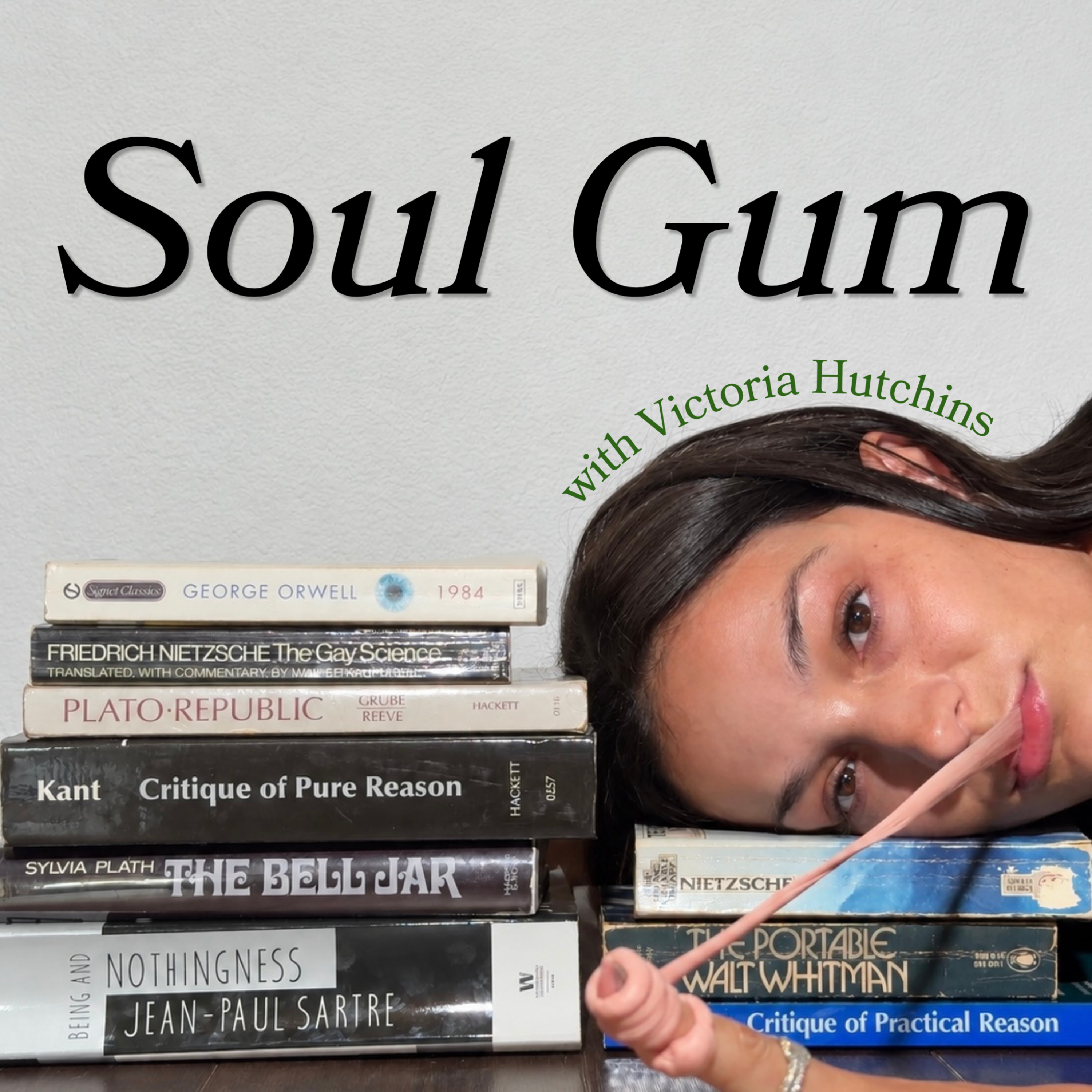
Is discipline a dirty word in your book? Hustle culture and diet culture have turned a lot of us against discipline. Should discipline have a place in our lives post-hustle culture? How do you redirect your discipline towards your passions instead of your body and your job? How do you unplug from hustle culture without quitting your job/school? How do you remember your passions post-burnout?
EPISODE SUMMARY:
I. WHAT IS DISCIPLINE? (4:19)
II. THE #GIRLBOSS ERA (7:02)
a. post-2008 recession: lean in or lose your job (8:09)
b. 2010s: hustle culture and glorification of overworking (11:04)
c. 2014: rise of the #girlboss (15:38)
d. mounting pressure to have a side hustle: MLMs and beyond (17:35)
e. meanwhile, diet culture reigns supreme (18:26)
III. BUT I DON'T WANNA BE A GIRLBOSS - THE FALL OF HUSTLE CULTURE (20:58)
a. COVID, the great resignation and mass burnout (24:10)
b. growing anti-diet culture sentiment (25:55)
c. “soft living" trend / rejection of discipline (27:34)
IV. TAKING BACK DISCIPLINE (31:22)
a. my experience with burnout & rejecting discipline (31:52)
b. what life without discipline actually looks like (38:37)
c. non-hustle-y examples of discipline + reframing discipline as devotion (42:03)
d. but what if I can’t unplug from hustle culture? I have a job lol (44:19)
e. what if I don’t even remember who I am outside of work/school? (50:29)
SOURCES:
Merriam Webster (definitions of discipline and self-control)
Brittanica (definition of will power)
Re: discipline in the Spartan military (https://tinyurl.com/htb6sfrz/)
Re: hours spent on work and school in the US (https://tinyurl.com/bdhn7wz9; https://tinyurl.com/yeykvhdp; National Center for Education Statistics from September 2006)
Re: diet culture in the 2010s (https://tinyurl.com/2p5cbr89)
Re: weird habits of tech CEOs (https://tinyurl.com/4uw5tduh)
Re: Michelle Obama criticizing Lean In (https://tinyurl.com/yxruv83j)
"I don’t wanna be a girl boss” tiktok by @mjwritess (*corrected username) (https://tinyurl.com/jtbj4zc4)
Elon musk tweets (https://tinyurl.com/5bc272kc)
More from Soul Gum
We all have that one person who can ruin our day in less than 30 seconds. Why is it so hard to stay in our values around certain people? And how do we stop giving them so much power? In this episode, we're turning to the 19th-century philosopher Friedrich Nietzsche for five lessons on dealing with difficult people, navigating conflict, and becoming unbotherable. If you've ever let a five-minute interaction ruin your entire week, this episode is for you.
According to the existentialists, the core problem of being human is this: we are meaning-seeking creatures in a universe that is silent on meaning. But somehow, we're supposed to figure out what to major in, who to marry, and what to do with the approximately 30,000 days we get to be alive. In this episode, we walk through six levels of living a meaningful life as described by Simone de Beauvoir in her 1947 work The Ethics of Ambiguity, moving from brainrotten aimlesness to a life driven by purpose. If you want to live a life that feels meaningful but have no idea what you’re supposed to be doing with it, this episode is for you.
The manosphere wants you to think charisma is all about dominance and control. But what if it’s actually about deep presence and social courage? I don’t want to be like the guy who uses scarce communication to hide his lack of depth and fear of commitment. I want to be like the people who make you feel cool just by talking to them, while radiating charisma themselves. If you’ve ever wondered why some people can have fun talking to literally anyone, struggled to know what to say when someone asks you a question, or wished you were more comfortable saying what you actually think, this episode is for you. In today’s episode, we unpack 5 habits of highly charismatic people, from what they say when they’re getting to know someone to how they navigate disagreements. Along the way, we’ll talk about what we can learn from Socrates about swag, dive into the science of answering any question well, and use Byung-Chul Han’s concept of “the smooth” to investigate how we can stay raw and real in a world that tries to sand our edges.
Pumpkin spice apologists wya? It’s the great lock in Charlie Brown!!!!! In this episode, I’m walking you through the exact five-step seasonal planning system that dramatically changed my life a few years back. Along the way, we’ll dive into the philosophy and psychology behind why it works. We’ll talk through Nietzsche’s philosophy on habits, Simone de Beauvoir’s ideas on how to reconcile your past and future selves, the planning fallacy, and more. Whether you want to change the trajectory of your life this fall or just set up some systems to make life a little less chaotic, this episode is for you.
If your early twenties are for your Sylvia Plath fig tree allegory crisis, then your late twenties are for your Joan Didion Goodbye to All That crisis. In her famous 1967 essay, Didion writes, “That was the year, my twenty-eighth, when I was discovering that not all of the promises would be kept, that some things are in fact irrevocable and that it had counted after all, every evasion and every procrastination, every mistake, every word, all of it.”