Show Notes
What role does Parliament play when the UK is involved in military action? In this week’s episode, we explore the evolving practice of parliamentary war powers, sparked by Prime Minister Sir Keir Starmer’s response to recent military developments in Iran and the Middle East, where defensive action was authorised before any Commons statement or vote.
We discuss the royal prerogative, the uncertain post-Iraq convention on parliamentary debate before offensive military action, and whether a meaningful distinction exists between defensive and offensive military action. We also examine new legislative attempts to codify Parliament’s role and the political and military realities that shape whether MPs get a say.
Plus, we discuss the long-running constitutional saga over hereditary peers, as the House of Lords prepares to consider Commons amendments to the Bill to oust the hereditaries at the end of this parliamentary Session. The Government has unexpectedly published a Ministerial Salaries (Amendment) Bill which would increase the number of paid ministers in the House of Lords. This may be linked to the amendment in the Hereditary Peers Bill originally proposed by the Conservative Peer, Lord True, that would prohibit future unpaid Ministers from being eligible for membership of the Upper House. It is possible that the ministerial salaries legislation is being synchronised to ease the passage of the Hereditary Peers Bill.
Along the way we also touch on MPs’ pay which is on track to top £100K by the end of the Parliament, staff funding tensions, defence estimates scrutiny, and what the Spring Statement tells us about the government’s economic direction. _____
🎓 Learn more using our resources for the issues mentioned in this episode.
❓ Send us your questions about Parliament:
✅ Subscribe to our newsletter.
📱 Follow us across social media @HansardSociety / @hansardsociety.bsky.social
£ - Support the Hansard Society and this podcast by making a donation today.
Parliament Matters is a Hansard Society production supported by the Joseph Rowntree Charitable Trust.
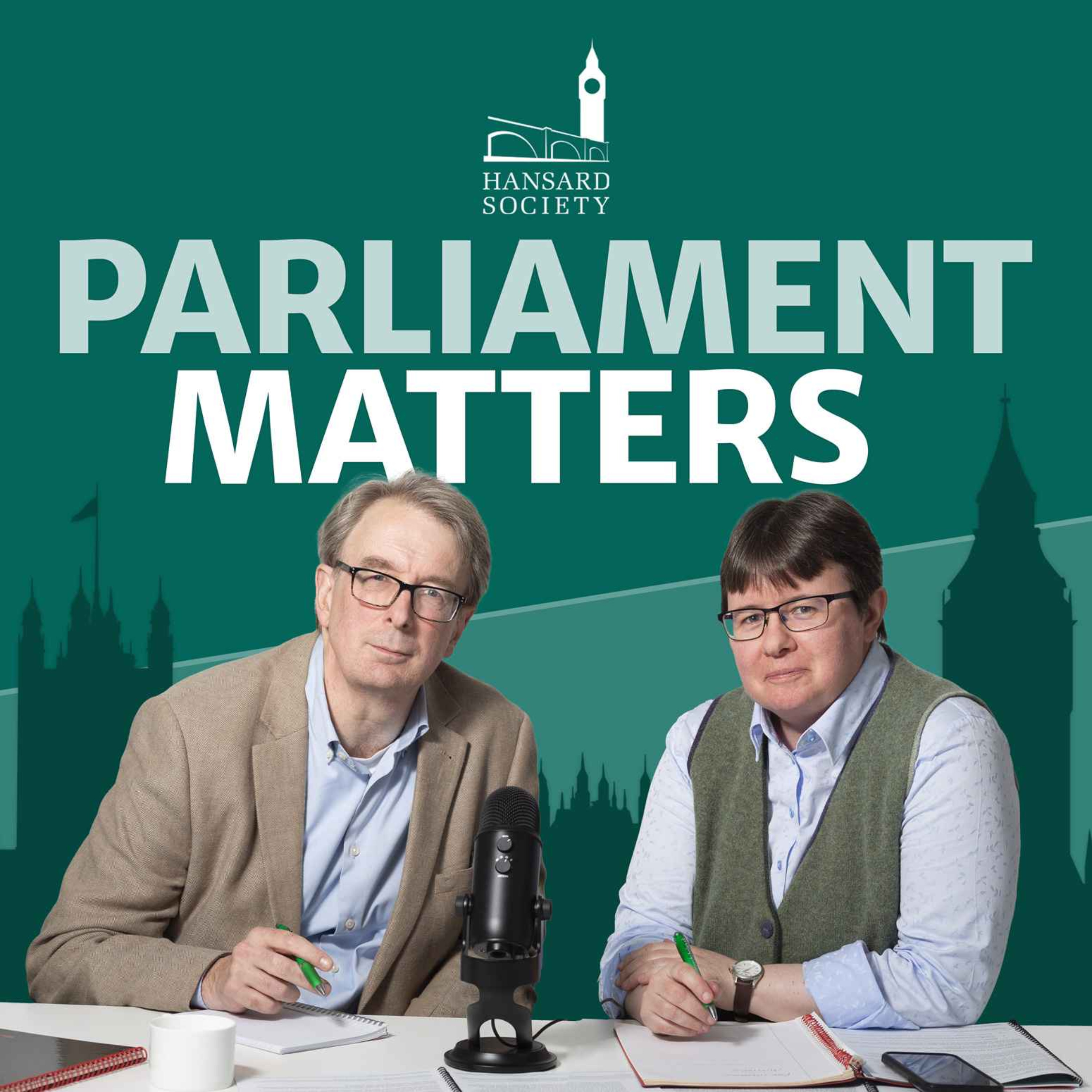
Presenters: Mark D’Arcy and Ruth Fox Producer: Richard Townsend Hosted on Acast. See acast.com/privacy for more information.
More from Parliament Matters
How do you respond to a Budget you’ve only just heard, and spot what the Chancellor would rather you missed? Treasury Committee Chair Meg Hillier joins us to explain how she prepares for Budget day and how her Committee tests the promises behind the headlines. She weighs the benefits of Budget secrecy against the risk of policies going untested, argues for tougher scrutiny of sensitive defence spending, and explains why Parliament needs to look beyond the annual set piece event to how public money is actually spent. Her central challenge: can MPs and ministers give long-term financial choices the attention they deserve?
Are House of Commons select committees equipped to meet the new challenges facing parliamentary scrutiny? Liam Byrne, the Labour former minister leading a review of the committee system, joins us to explore whether committees have the powers, resources and support they need in the modern scrutiny environment.
Former veterans minister Johnny Mercer joins us to discuss his new book, No Way to Run a Country: An Outsider’s Journey into the Heart of our Broken Politics, and his struggle to change veterans’ policy from inside Westminster and Whitehall.
Recorded at Queen Mary University of London as part of Student Week, welcoming students at the start of the new academic year, this special live edition features three expert guests: historian Dr Robert Saunders; Private Members’ Bill specialist Dr Daniel Gover; and historian Dr Catherine Haddon, a senior fellow at the Institute for Government and former Queen Mary student.
MPs have rejected the assisted dying bill – but why did a proposal they had previously supported lose this time, and what happens now?