Show Notes
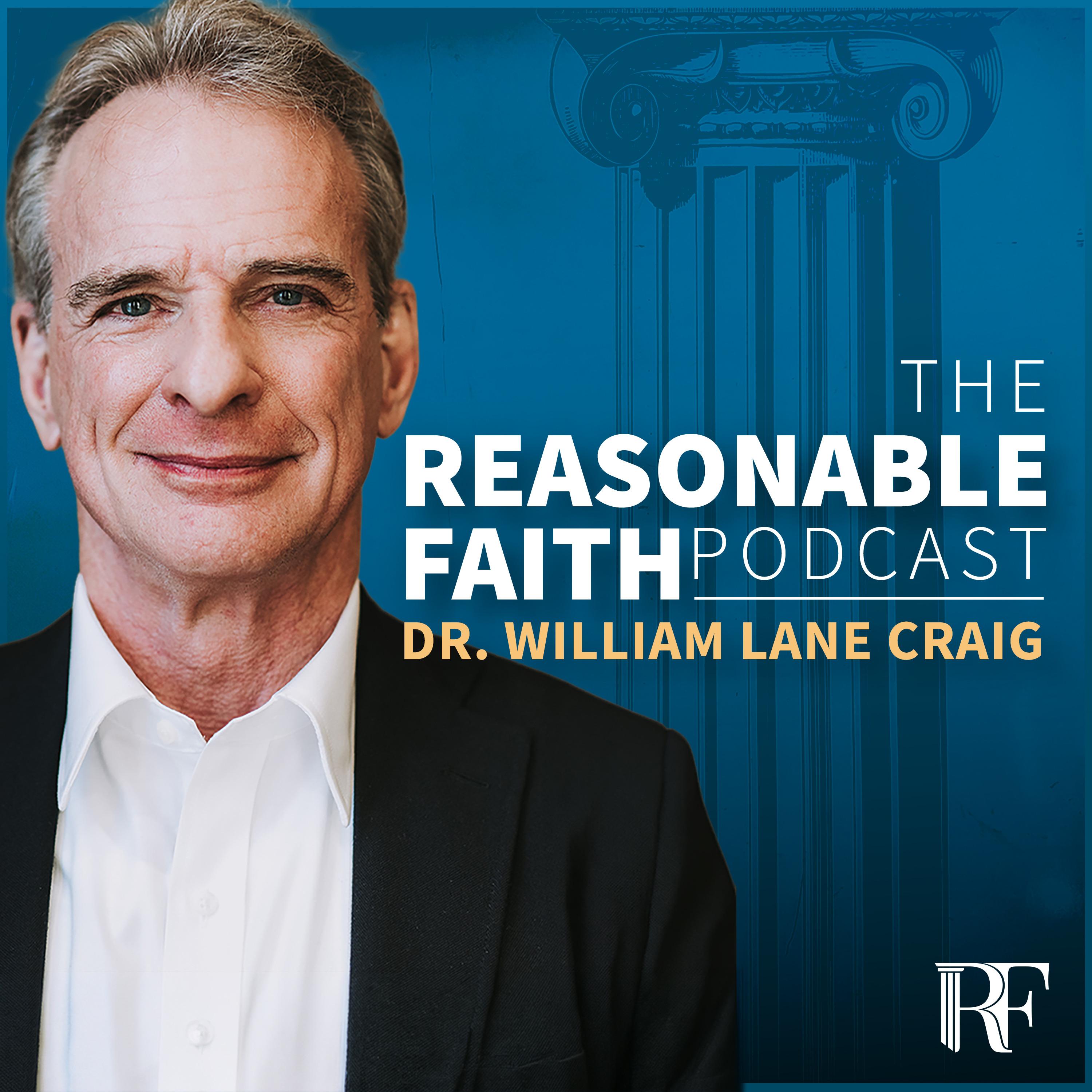
A clip of Dr. William Lane Craig discussing the eternal generation of the Son went viral a few weeks ago, picked up by Protestia and drawing heresy accusations from across the theological world. In this episode, Kevin puts those criticisms to Dr. Craig directly.
Dr. Craig clarifies what he is and isn't claiming: he denies eternal generation is taught in Scripture, but affirms Christ's full deity and the rest of the Nicene Creed. He responds point by point to named critics, including Michael Carlino, Luke Stamps, Jared Moore, Father Ron Ofringa, and Dinesh D'Souza, and explains the distinction between the ontological and economic Trinity that underlies his position.
The episode closes on a practical question: how should a Christian who disagrees handle reciting a creed they can't fully affirm.
Show notes link: "Is God the Son Begotten in His Divine Nature?" by William Lane Craig https://www.reasonablefaith.org/writings/scholarly-writings/christian-doctrines/is-god-the-son-begotten-in-his-divine-nature
More from Reasonable Faith Podcast
A listener writes that his faith is hanging in the balance. Wherever he looks, from natural theology to the resurrection, he thinks the scholarly consensus seems to be against Christianity, and online critics accuse Christian thinkers, Dr. Craig included, of intellectual dishonesty. Questions about James Tour and the origin of life have only deepened his doubts. Is Christianity a respected position in the academy? Would a naturalistic account of abiogenesis threaten the faith? And how can we tell legitimate theological development from ad hoc accommodation to science? Dr. Craig responds.
Philosophical theologian Ryan Mullins argues that William Lane Craig’s version of Molinism is incoherent, and the charge comes down to one word: deliberation. If God already knows everything, can he really deliberate about which world to create? And if he can’t, is his choice truly free? Dr. Craig responds to Mullins’s critique, evaluates defenses offered by Tim Stratton and Reasonable Faith's own Tyson James, and explains why Mullins’s proposed fix would come at a steep theological price. Plus, a decades-old atheist argument from Dan Barker turns out to be the same puzzle in different clothes.
If nothing is impossible for God, how can some worlds be “infeasible” for Him? A listener named Howard presses Dr. Craig on a phrase that sounds like a limit on God’s power. Dr. Craig explains the Molinist idea behind it: true counterfactuals about how free creatures would choose narrow the range of worlds God can actually bring about. He then argues why this places no restriction on divine omnipotence.
A viral clip from Fr. Mike Schmitz claims that Protestants who take Jesus’ words in John 6 seriously end up becoming Catholic. Dr. Craig explains why the bread of life discourse doesn’t require eating Christ’s literal flesh, and why that claim overlooks the many non-Catholic traditions that also affirm a real presence. He then weighs in on John Piper and Kevin DeYoung’s friendly exchange over baptizing infants, and asks whether baptism is really the new covenant’s counterpart to circumcision.
If the Son is not eternally begotten of the Father, is it arbitrary which person of the Trinity is called "Father" and which is called "Son"? And what distinguishes the three persons from one another in the first place? Dr. Craig responds to a reader's two worries about his view of the Trinity, drawing on the distinction between the economic and the ontological Trinity and on the observations of Marcellus of Ancyra, one of the orthodox leaders at Nicea.