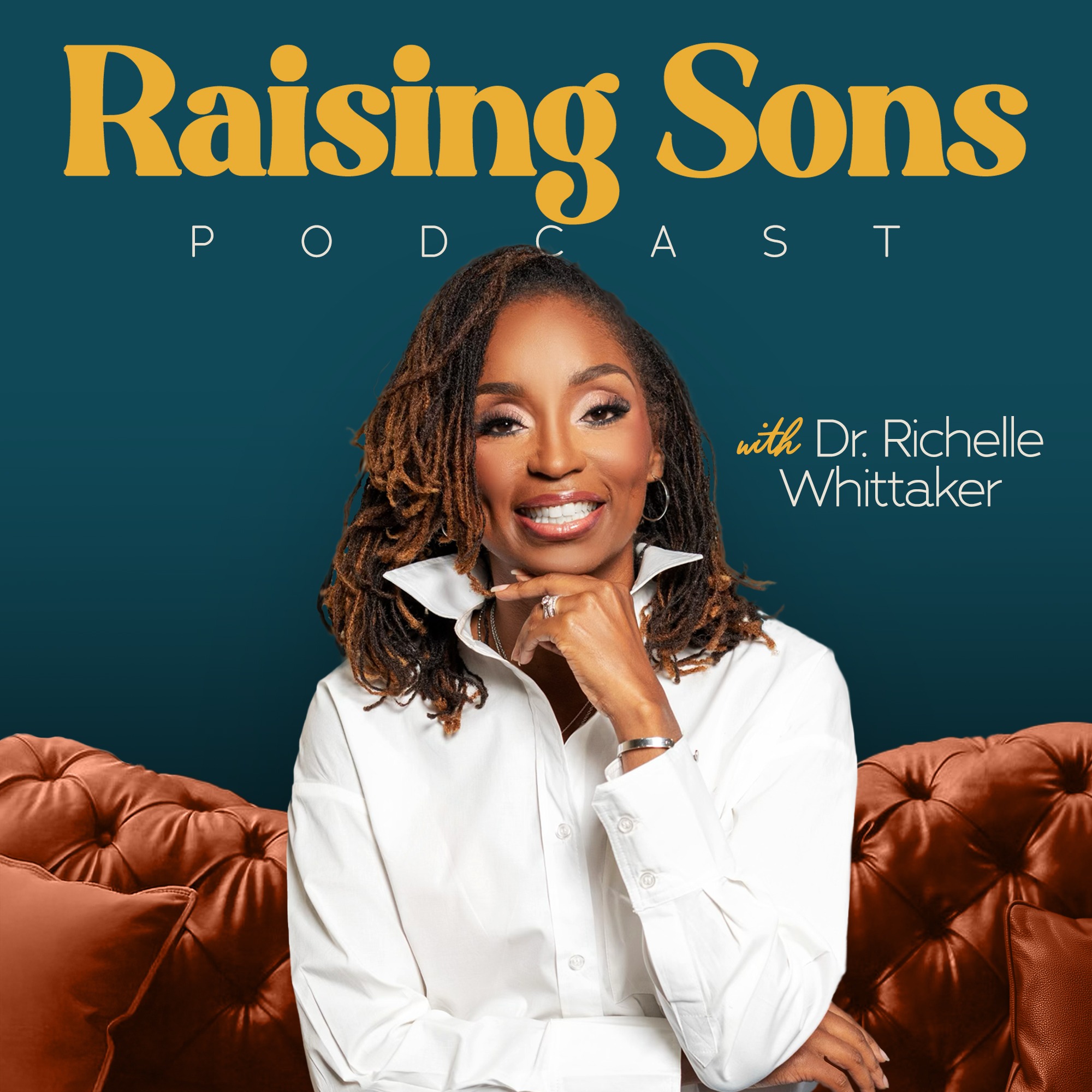
How to Raise an Emotionally Intelligent Son: 3 Things Every Boy Needs to Hear
Raising Sons with Dr. Richelle WhittakerShow Notes
On this episode, Dr. Richelle addresses a common misconception among moms raising boys: the idea that raising sons and daughters is exactly the same. Triggered by a powerful interview with a young man raised by a single mother, Dr. Richelle dives into why boys need distinct pathways for emotional coaching, communication, and male mentorship. If you’ve ever found yourself thinking, "I love my son, but I don't always understand him," this episode is for you. Tune in to discover how to look beneath your son's behavior, expand your parenting village, and give him the tools he needs to transition from a boy into a healthy, emotionally intelligent man. Correction Note: Did you tune in early for the last episode and think, “Wait, I’ve heard this before”? We had a quick technical mix-up and an older episode dropped by mistake! The correct, brand-new episode is live now, so make sure to go back and check it out! Key Takeaways: 3 Essential Lessons for Raising Sons 1. Boys Need Emotional Coaching, Not Just Correction Too often, boys are punished or corrected for their outward behavior without being taught the underlying emotional skill. The Reality: Your son doesn't automatically know how to handle frustration, embarrassment, or rejection. These skills are built through co-regulation, not criticism. Shift Your Approach: Instead of shouting "Stop yelling!", try saying, "Let's talk about what happened right before you got angry." 2. Boys Need Different Pathways to Communication Around the fifth grade, many boys shift from openly crying or showing vulnerability to expressing everything as anger. This happens because they lack the language to convey complex emotions like being overwhelmed or sad. The Strategy: Don't just ask "What's wrong?"—they often don't have the words yet. Instead, give them options to choose from: "Do you feel frustrated, disappointed, embarrassed, or angry?" 3. Boys Need Models of What They Are Becoming Wanting male mentorship for your son isn't a critique of your mothering; it’s about identifying a developmental gap. Boys learn how to handle conflict, express strength, and manage anger by observing men who have walked in their shoes. The Mindset Shift: It’s not about replacing you; it’s about expanding your village. Look to grandfathers, coaches, teachers, or community leaders to provide healthy examples of manhood. A Question to Ponder "If your son sat down with me 15 years from now and I asked him, 'What did your mom do that helped you become the man you are today?'... What would you want him to say?" CONNECT WITH THE SHOW ✨Got a topic request? Drop a comment below, send an email, or text us @833.638.5442! ✨Need Parent Support? If you love your son but find yourself struggling to understand his behavior, you don't have to figure it out alone. Schedule a Parent Navigation Session: https://www.richellewhittaker.com/workwithme Subscribe to the newsletter for exclusive tips and updates: http://bit.ly/3F3VpqA Resources: Strong Men Start Here – Dr. Richelle’s book for moms raising sons New YouVersion Devotional Connect with Dr. Richelle: YouTube: www.youtube.com/channel/@drrichellewhittaker Instagram: @dr_richelle LinkedIn: Dr. Richelle Whittaker Website: www.richellewhittaker.com/podcast Follow the movement: #RaisingSons #BoyMomNation #StrongMenStartHere #DrRichelleWhittaker
More from Raising Sons with Dr. Richelle Whittaker
Are you helping your son become more independent, or are you unintentionally doing too much for him? As moms, we want to support our sons, protect them from frustration, and set them up for success. But sometimes, the things we do to help our boys can prevent them from developing the independence, confidence, and problem-solving skills they'll need as they grow. In this episode of 5-Minute Parent Coaching, educational psychologist and boy mom, Dr. Richelle Whittaker, explores the difference between helping your son and doing things for him that he may be ready to do himself. Building on a powerful story from the previous Raising Sons episode about parenting a son with autism, Dr. Whittaker shares why teaching independence doesn't mean withdrawing support. It means recognizing your son's abilities, adjusting your expectations, and giving him opportunities to grow. Whether you're raising a young boy, a teenager, or a son with developmental or learning differences, this episode offers a practical parenting shift you can start using today. In This Episode, You'll Learn: How to recognize when you may be doing too much for your son The difference between supporting independence and enabling dependence Why building confidence and responsibility starts with small opportunities How to encourage independence while still providing appropriate support Three questions to ask before stepping in to help your son
What happens when motherly intuition tells you something is going on with your child, but those around you say, "He's just a boy, give him time"? On this episode, host Dr. Richelle Whittaker pulls from the archives, an interview she did with Toya, a school psychologist, speech assistant, and mom of five, for an open, honest conversation about raising a son with autism. Toya shares her journey with her son, Jackson, from a traumatic birth and early red flags to navigating a two-year path to a formal diagnosis. Together, Dr. Shell and Toya explore the grief cycle of altered expectations, how to handle male ego and family denial, balancing the needs of neurodivergent and neurotypical siblings, and learning to give yourself grace as a mom. Whether you suspect developmental delays in your child or are actively raising a boy with special needs, this episode offers vital validation, advocacy tips, and actionable resources. Key Takeaways & Highlights Trust Your Mother’s Intuition: Why you shouldn't let doctors, family members, or "wait and see" advice talk you out of seeking an evaluation if you see early red flags (such as hand-flapping, speech delays, or loss of eye contact). Navigating Denial in Relationships: How mothers and fathers often process developmental concerns differently, and how to keep moving forward with early intervention even when a partner is hesitant. The Extra Layer of Planning: The reality of managing sensory needs, finding inclusive summer camps, and creating accommodations for family outings. Supporting Siblings: How to talk to younger and middle siblings about autism without putting the pressure of being "little parents" on them. Fostering Independence with Dignity: Learning to pay attention to subtle cues as your child grows so they can build self-help skills on their own terms.
Ever sit your son down for a heart-to-heart, only to get one-word answers like "fine," "nothing," or "I don't know"? You're not alone! In this quick 5-minute parent coaching episode, part of our Back to School Series, host Dr. Richelle Whittaker shares a game-changing shift in how you approach communication with your son. Building on insights from licensed professional counselor Michael Dangerfield, Dr. Richelle explains why face-to-face eye contact can shut young men down and how side-by-side conversations create the emotional safety boys need to open up. Learn how to turn everyday activities into pressure-free connection moments and prepare your son to become a confident, communicative adult, partner, and father. Key Takeaways & Parent Challenge Ditch "We Need to Talk": Why these four words instantly put boys on the defensive. The Power of Side-by-Side Connection: Why riding in the car, cooking dinner, or shooting baskets leads to deeper, more honest conversations. Observe and Wait: How to replace interrogation with simple observations—and why learning to sit in silence is key. Building Future Leaders: How practicing pressure-free communication today prepares your son for healthy adult relationships, friendships, and careers tomorrow. Weekly Action Step: Try one side-by-side conversation this week without announcing it, make an observation, and give him the space to respond.
Father’s Day may come once a year, but the impact of an involved, emotionally present father lasts a lifetime. On this episode of the Raising Sons Podcast, host Dr. Richelle Whittaker pulls from the archives an interview with Mr. Michael Dangerfield, a licensed professional counselor, Navy veteran, author, and father, to break down fatherhood from a man's perspective. Together, Dr. Shell and Michael dive into the unexamined stresses men face after welcoming a child, the real reasons behind communication breakdowns between spouses, and how men transition into the "provider and protector" mindset. Michael shares his personal journey of navigating postpartum challenges alongside his wife, breaking generational patterns, and raising two daughters. Whether you want to better understand your partner, support your child’s father, or foster a stronger family connection, this episode offers a compassionate and eye-opening male perspective. Key Topics Covered The Unspoken Stresses of Fatherhood: Navigating new roles, presence, and handling the sudden pressure to provide. Why Men Shut Down: Understanding the breakdown in communication and why doing activities together helps men open up better than formal sit-down talks. Navigating Postpartum as a Dad: Michael shares his experience stepping up during an emergency C-section and severe postpartum depression. Breaking Generational Cycles: Choosing to be an active, present father when you didn't have a model growing up. Fatherhood & Marriage Dynamics: How adding a baby shifts attention, changes relationship roles, and how couples can maintain connection. The Power of Dad's Calm: Why a father's stoic presence brings reassurance and peace to a household during chaotic moments.
We all want to raise independent young men who can solve problems, advocate for themselves, and handle difficult situations. But too often, we confuse independence with isolation, and strength with suffering silently. On this episode of the Raising Sons Podcast (Back to School Edition), host Dr. Richelle Whittaker delivers a powerful, bite-sized parenting coaching session focused on one critical question: Will your son actually ask for help when he needs it? Knowing you are there to help him is one thing, but having the courage to open his mouth and voice his needs is another. Tune in to discover why asking for help is an essential life skill, not a weakness and learn a simple, actionable challenge to help your son build his support system today. Key Takeaways & Small Shifts Independence vs. Isolation: Raising a strong son doesn't mean teaching him to navigate struggles entirely by himself. Competent, emotionally healthy men know how to leverage a support system. Spotting the Clues: Pay attention to how your son handles confusion. Does he ask his teacher for clarification, or does he sit there silently? Does he hide academic or emotional struggles until they boil over? Stop Solving, Start Asking: Instead of jumping in to fix his problems, guide him to communicate his needs by asking: "Do you need me to listen, help you think through it, or help you do something about it?"