Show Notes
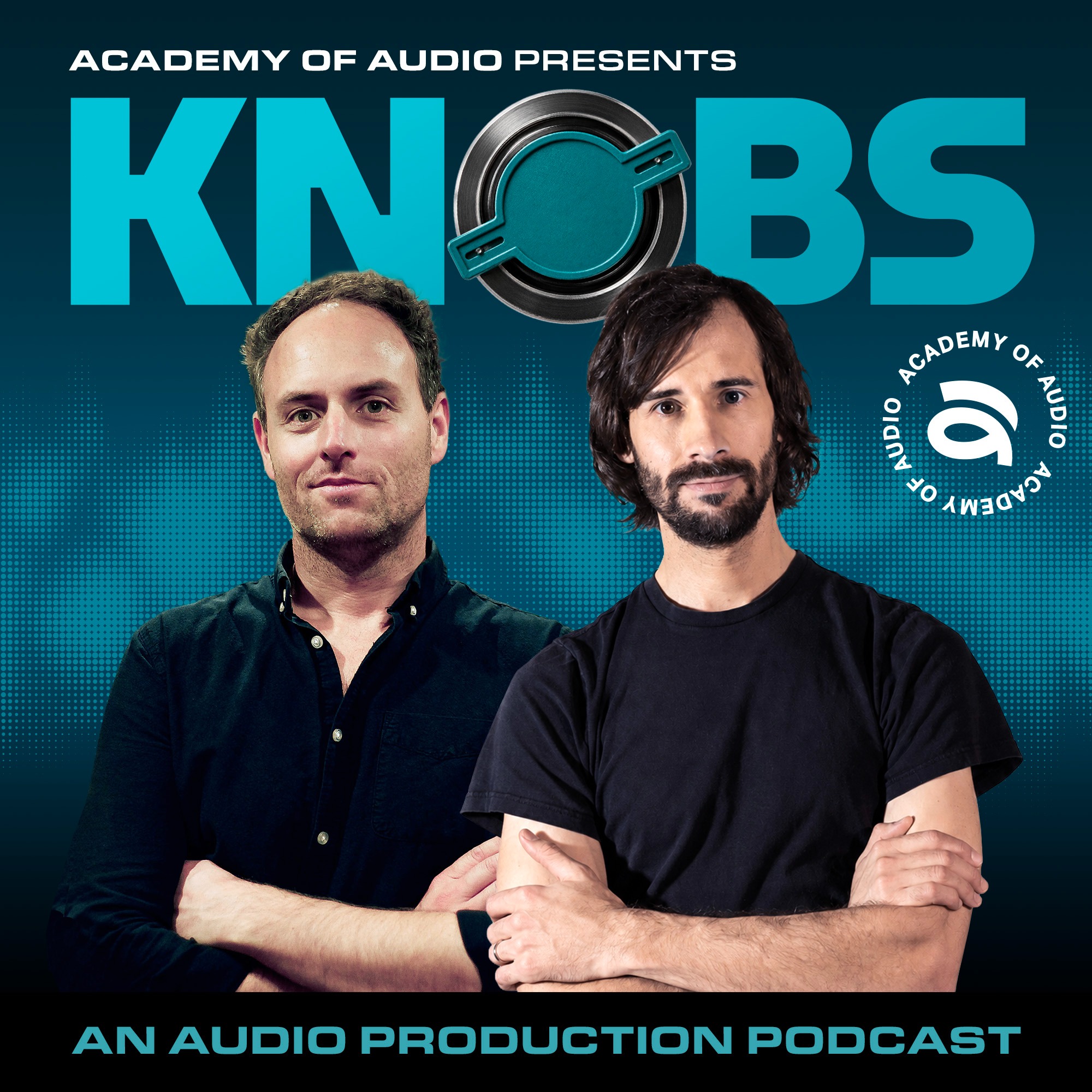
KNOBS — Season 1 Episode 1 Analog vs Digital: Why Workflow Matters More Than Gear In the very first episode of Knobs, Simon Moro and Terry Hart dive headfirst into one of audio’s oldest arguments: analog vs digital. But instead of obsessing over whether tape sounds warmer or plugins perfectly model vintage gear, the conversation takes a different turn, exploring the psychology of workflow, creativity, speed, signal flow, and why the way you interact with audio can dramatically shape the outcome of a mix. Topics covered in this episode include: Why analog consoles encourage faster, more instinctive mixing The hidden psychological impact of mixing with a mouse Why speed matters so much in the first 20 minutes of a mix Parallel workflow vs serial workflow Signal flow and why understanding it changes everything Gain staging and why analog-modelled plugins behave strangely on hot tracks Why many producers overprocess audio in DAWs Control surfaces and recreating analog workflow in-the-box How limitations can improve creativity Why physical interaction with music changes decision-making Patch bays, compressors, SSL workflows, and throwing faders The difference between listening emotionally vs analytically Why analog workflow can still matter even if you mix completely digitally Along the way, Simon and Terry also discuss: Avid D-Control Softube Console 1 1176 compressors Parallel processing chains Pro Tools workflow Hybrid mixing Analog console ergonomics The creative side of engineering The format is loose, improvised, and conversational, more like sitting in the studio listening to two engineers talk between sessions than a formal interview podcast. Hosted by Simon Moro and Terry Hart Produced by Academy of Audio Follow Academy of Audio: academyofaudio.edu.au
More from Knobs
For the last episode of the season, Simon and Terry try to catch each other off guard with the tricks and questions they actually use.
You do not want to see the canvas under the Mona Lisa. So why do so many records let you hear the technology, the effort and the mix?
Room correction software promises to fix your monitoring. So is it a genuine tool or a crutch that lies to you?
You have two speakers and a flat file. So how do you make a mix sound like a real three-dimensional space?
It might be the most confusing job title in music. So what does a producer actually do?