The King of Boys Effect Part II: Power, Politics, and the Illusion of Control
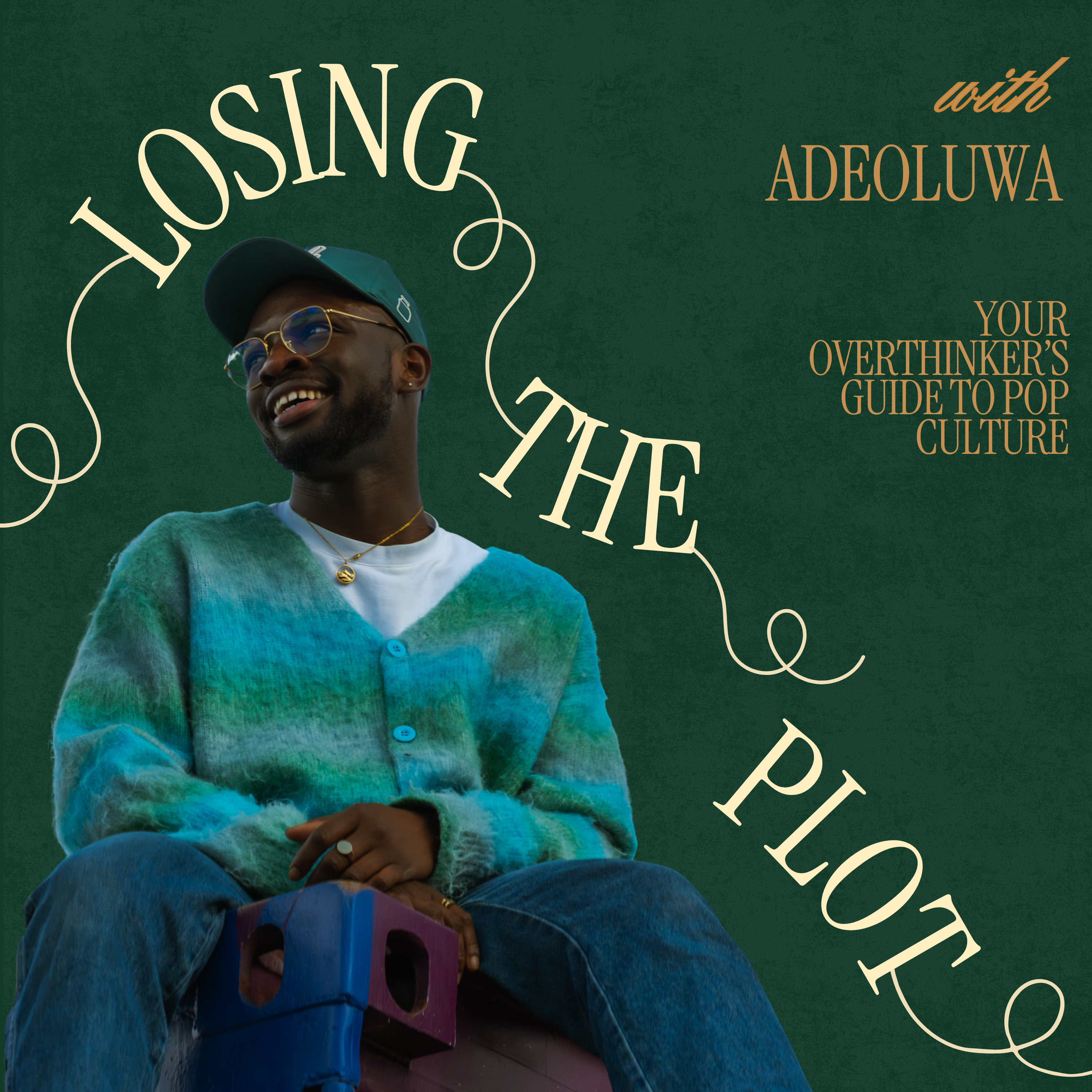
Losing The Plot with ADEOLUWAShow Notes
King of Boys was never just a film. This episode moves beyond visual ambition and into meaning, examining how King of Boys functions as social commentary on power in Nigeria. Where the first film established a new cinematic language, this conversation explores what that language is actually saying. We break down how the film presents power not as individual success, but as a system of control shaped by invisible structures. Using the concept of “the Table” as a lens, the episode unpacks how political influence operates behind the scenes, and why the film feels less like fiction and more like recognition. At the center of this analysis is Eniola Salami, whose rise exposes the gendered dynamics of power. The episode explores how the film portrays corruption not as the problem, but as a condition of the system, and how access to power is often determined by who is allowed to participate in it. The conversation also examines the film’s portrayal of wealth, violence, and spectacle, arguing that King of Boys does not glamorize power, but reveals its cost. Through its depiction of Lagos as a living, interconnected system, the film blurs the line between politics, crime, and society. This episode asks a deeper question. When a film stops reflecting reality and starts explaining it, is it still entertainment, or has it become something else entirely?
More from Losing The Plot with ADEOLUWA
The videos tell one story. Making them is another 😂 Wale and I revisit three of my music videos: “Ready,” “S'okan,” and “Dey Forever,” in that order.From making “Ready” in 2014 to releasing "S'okan" in 2019 and “Dey Forever” in 2025, we talk about how my creative process has changed, the work that goes into bringing these ideas to life, and what happened behind the scenes. I’m reacting in real time, remembering what it took to make each video and looking at those decisions with fresh eyes. This is Part 3 of The Road to Grateful, a series looking back at my life and creative journey ahead of my birthday and the release of “Grateful” on November 3, 2026. National Baba Crown Day. Pre-save “Grateful”: https://distrokid.com/hyperfollow/adeoluwa/grateful?ref=release Watch The Road to Grateful: https://youtube.com/playlist?list=PLGnaSXjlq_6A&si=bT-lv5IVuQ1BbWBR Watch the original music videos: Ready: https://www.youtube.com/watch?v=r1sduW8x1G0&list=RDr1sduW8x1G0&start_radio=1 S'okan: https://www.youtube.com/watch?v=MCoDUHbzSY0&list=RDMCoDUHbzSY0&start_radio=1 Dey Forever: https://www.youtube.com/watch?v=wMoK_G_5B3c&list=RDwMoK_G_5B3c&start_radio=1 Rollout: @Waleakiinn for #StayCrownedCreations Stay Crowned, ADEOLUWA
What happens when you watch yourself perform at 13?
A birthday special on Losing the Plot.
Season One of Losing The Plot began with a simple idea. Albums are never just albums. Across the season the show examined the hidden architecture behind music culture. From Adekunle Gold’s Fuji to the blockbuster strategies behind Ed Sheeran and Taylor Swift, from Brandy’s influence on modern vocal styles to Beyoncé’s challenge to genre boundaries, each conversation revealed a deeper system shaping how music is created, distributed, and remembered. Along the way the season explored the evolution of Afrobeats, the power of producers and labels, the construction of pop star archetypes, and the cultural rules that determine who gets to grow, experiment, or fail in public. Taken together these stories reveal something larger. Music history rarely unfolds the way it appears on the surface. What looks like individual genius is often supported by infrastructure. What feels like cultural chaos often follows invisible rules. What seems like sudden success is usually the result of systems that have been quietly building for years. The season finale brings these ideas together to ask the central question of the podcast. If culture is shaped by systems rather than accidents, who has the power to change them. And once we begin to see those systems clearly, the way we hear music may never sound the same again.
Pop culture loves the story of the self made star. The artist who arrives fully formed. The genius who changes everything through talent alone. The overnight success who simply worked harder than everyone else. But the history of popular music tells a different story. This episode examines the invisible systems that shape the careers of the world’s biggest artists. From Michael Jackson’s relationship with MTV to Beyoncé’s mastery of visual spectacle, from Taylor Swift’s narrative control to the global expansion of Afrobeats through artists like Wizkid, Burna Boy, and Davido, the episode argues that no artist rises alone. Every career sits inside a larger architecture. Producers, labels, cultural moments, technological shifts, and audience behavior all shape how artists succeed and how their work is received. Pop culture may celebrate individuals, but history shows that systems create stars.