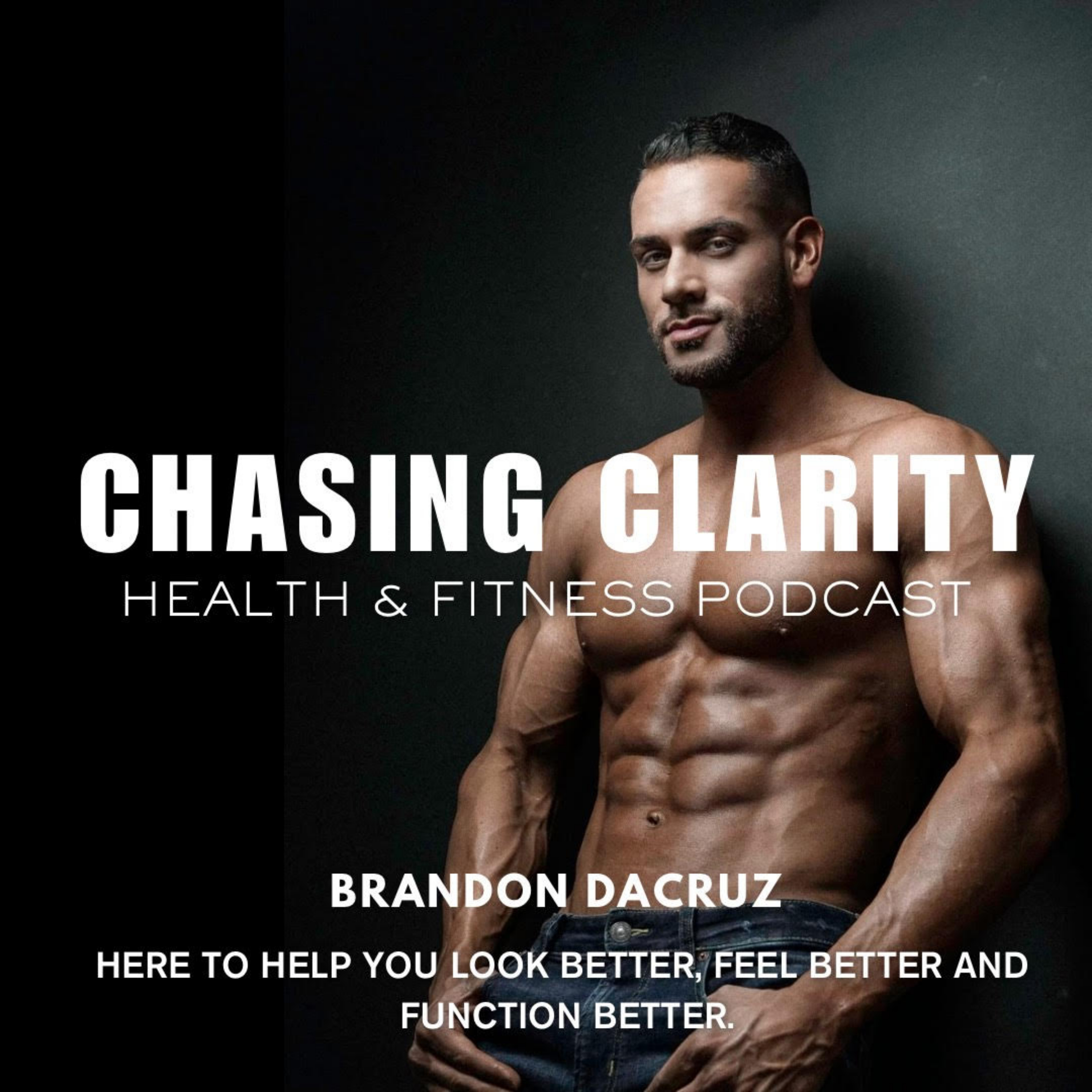
LYLE MCDONALD: INTERMITTENT MODIFIED FASTING: A NEW FRAMEWORK FOR FAT LOSS, PERFORMANCE & NUTRITIONAL PERIODIZATION | EP. 234
Chasing Clarity: Health & Fitness PodcastShow Notes
When most people hear “intermittent fasting,” they immediately think about skipping breakfast, eating within an 8-hour window or going extended periods without food.
But Intermittent Modified Fasting is something very different.
On this episode of the Chasing Clarity Health & Fitness Podcast, I’m joined once again by Lyle McDonald to break down the framework behind his newest book, Intermittent Modified Fasting. This is the first interview Lyle has done since releasing the book.
Rather than treating IMF as another fasting protocol, Lyle has brought together concepts from decades of his work on rapid fat loss, calorie cycling, training, body composition and sports nutrition to create a system for strategically distributing energy restriction across the week.
And that creates a much more interesting question than simply asking whether fasting “works.”
Can we manipulate where we place our calorie deficit to lose fat while better supporting training performance, recovery and lean mass retention?
Throughout this conversation, Lyle and I each give our perspectives on how these concepts can be applied in both physique-focused clients and athletes.
IN THIS EPISODE WE COVER: WHAT INTERMITTENT MODIFIED FASTING (IMF) IS & WHY LYLE DEVELOPED IT WHETHER INTERMITTENT FASTING HAS UNIQUE METABOLIC OR FAT-LOSS BENEFITS WHY INCREASED FAT OXIDATION DURING A FAST DOESN’T AUTOMATICALLY MEAN GREATER BODY FAT LOSS IMF AS A FORM OF CALORIE CYCLING & NUTRITIONAL PERIODIZATION HOW TO SYNCHRONIZE CALORIE & CARBOHYDRATE INTAKE WITH TRAINING DEMANDS RFL DAYS VS MAINTENANCE DAYS BALANCING AGGRESSIVE FAT LOSS WITH TRAINING PERFORMANCE, RECOVERY & MUSCLE RETENTION HOW IMF CAN BE MODIFIED FOR STRENGTH, ENDURANCE & PERFORMANCE ATHLETES HOW TO CREATE THE LARGEST PRODUCTIVE DEFICIT WITHOUT COMPROMISING THE ATHLETE’S PRIMARY PERFORMANCE GOAL
The biggest theme throughout this episode is that the goal isn’t simply to create the largest calorie deficit possible.
The goal is to intelligently distribute that deficit in a way that allows us to achieve the desired rate of fat loss while preserving the things we don’t want to sacrifice in the process.
If you’re interested in fat loss, physique development, sports nutrition or understanding how to better periodize nutrition around training, this episode is for you.
WHERE TO CONNECT WITH ME:
Follow Brandon on IG: https://www.instagram.com/brandondacruz_/
For Info on Brandon’s Coaching Services: https://form.jotform.com/bdacruzfitness/coachinginquiry
Email: [email protected]
LYLE’S NEWEST BOOKS:
https://store.bodyrecomposition.com
code: larrywon 20% off until Oct 7
More from Chasing Clarity: Health & Fitness Podcast
What if you could cut a significant amount of time off your workouts without sacrificing the training volume and hypertrophic stimulus you need to keep progressing?
For most of my career I would have told you spot reduction was a myth, and I would have been right to, because that’s what the evidence supported at the time. But over the last decade the research has moved, and it changed my position from “this is impossible” to “this is a small, real effect you can take advantage of under very specific conditions.”
What actually separates the people who successfully lose body fat, keep it off, and build a better physique from those who spend years bouncing between diets without making lasting progress?
Everyone wants to know if you can build muscle and lose fat at the same time. But the more important question is how you actually program for it.
Do refeeds and diet breaks actually improve fat loss, preserve your metabolism and help you maintain more muscle, or do they simply give you more calories and slow down your diet?