Show Notes
The marriage of Queen Victoria to Prince Albert set the template for how we imagine a wedding should be but it wasn’t always about big white frocks. Philippa Gregory explores how married women became the property of their husbands - along with everything they owned and produced. She considers the hidden history of wife sales and female husbands and shines a light on the difficulty women had accessing divorce.
Joining Philippa to consider the institutions of marriage, divorce and single life through time are: Laura Bates, writer, activist and founder of the Everyday Sexism project Rachael Lennon, writer, social history curator and author of Wedded Wife: A Feminist History of Marriage
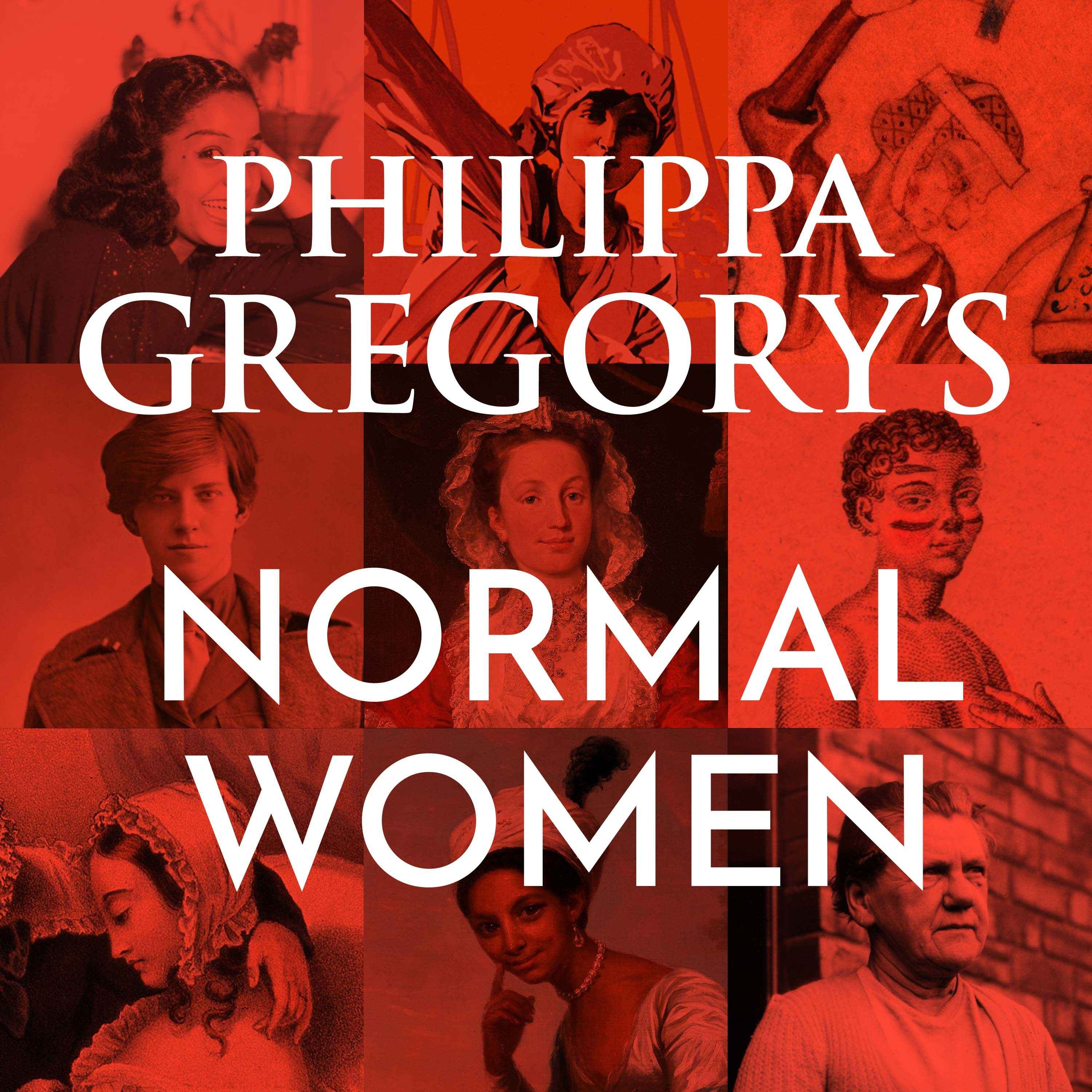
Normal Women: 900 Years of Making History is Philippa Gregory's radical retelling of our nation’s story – not of the rise and fall of kings and the occasional queen, but a history of the millions of women missing from the record: wives and workers, viragoes and angels, female husbands, priests and pirates.
Music: When Adam Was First Created - performed by Andy Turner.
Hosted on Acast. See acast.com/privacy for more information.
More from Normal Women
What if the so-called "madwoman" wasn’t mad at all? In this special episode of Normal Women, Philippa Gregory is joined by academic and author of Delusions of Gender Cordelia Fine to expose the myths behind the so-called fragile female brain. From hysteria to hormones, we ask: are women really more emotional, or have we just been told that we are for centuries?
Men have always claimed that there is such a thing as “female nature” and described it with great authority – but throughout history, women have refused to conform to the strict view of what is masculine and feminine - from fierce jousting medieval ladies to 18th Century French aristocrats who seamlessly slip in and out of male and female roles.
Bitten, spat on, denounced - in the 1990s newly-ordained women were met with fury by a vocal minority. But women have always played an important role in the Church, as mystics, the heads of religious houses, saints or simply as normal women seeking salvation.
Throughout history women have faced the threat of sexual violence and, sadly, it's no different today. Philippa explores how rape was viewed as a crime against a man’s property, how courtly love gave way to brutal desire and the difficulties women face in bringing their attackers to justice.
Whether you are on the Board or in the kitchen, a medieval peasant or modern day medic, a Victorian street-sweeper or eighteenth century hand-spinner - if you are a woman, there’s every chance you are underpaid. So why is that? Explanations vary across the centuries from women's lack of upper-body strength to the demands of motherhood and patriarchal oppression, but one thing is certain - the pay gap never closes.