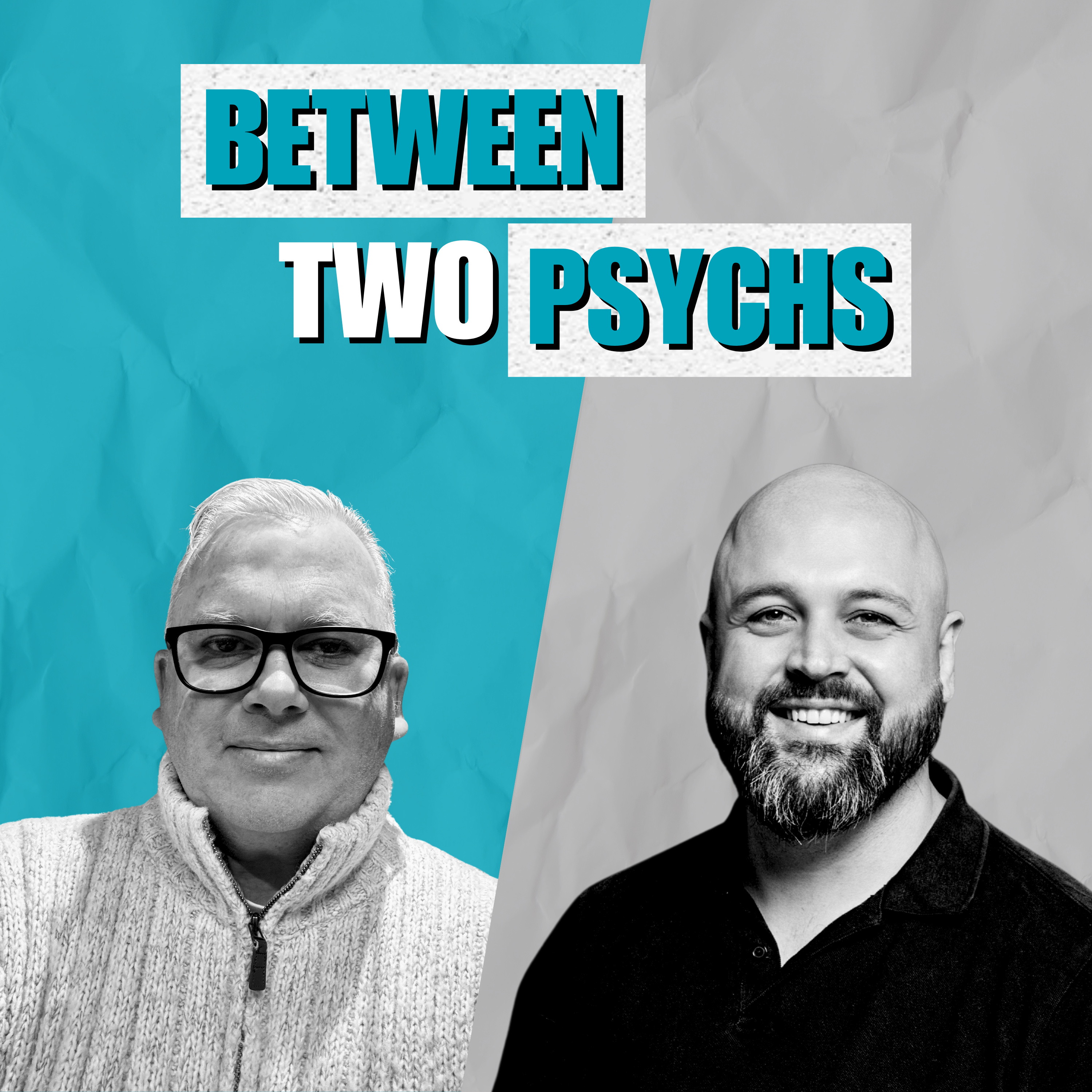
Show Notes
In this episode, we sit down for a thoughtful conversation on what it truly means to create learning spaces where neurodiverse students can feel seen, safe, and supported. This conversation weaves personal experiences with practical tools exploring how small, intentional shifts in classroom practice can create profound ripples of inclusion. We explore how predictable structures, emotional safety, and sensory awareness can shape not just how students learn, but how they belong. From the power of ritual and routine to the nuance of identity in adolescence, this episode offers both grounding wisdom and actionable strategies for educators, caregivers, and anyone passionate about inclusive education. In this episode we talk about: ✨Why inclusion in education must go beyond policy and into daily practice ✨Common challenges faced by neurodiverse students and how to address them ✨How predictable routines, rituals, and visual communication reduce anxiety and increase learning ✨Using tools like visual timetables, “now and next” boards, and social stories to support transitions ✨Understanding sensory processing and how it impacts a child’s readiness to learn ✨The emotional landscape of adolescence and identity for neurodiverse students ✨Building trust between students and educators to foster belonging ✨The role of emotional intelligence programs, like Zones of Regulation and ELSA, in supporting classroom well-being ✨Why inclusion isn’t an “extra,” but the foundation of thriving learning communities This conversation is an invitation to slow down, see the classroom through the eyes of neurodiverse learners, and remember that inclusion begins with relationship, trust, and structure. When classrooms become spaces of safety and predictability, learning transforms from a task into a shared human experience. ✨Resources Mentioned: Zones of Regulation Emotional Literacy Support Assistant (ELSA)
Visual communication strategies & social stories
Inclusion is not just about who is in the room it’s about how the room is built. Connect with Mike Lane Website: https://www.ridgewaypsychology.co.uk/ LinkedIn: https://uk.linkedin.com/in/michael-lane-4304a3123
Connect with Me: Instagram: https://www.instagram.com/dradammcartney/ Website: https://www.dradammccartney.com/ Thank you for listening and for being part of a movement that centers care, connection, and true inclusion in education.
More from Between Two Psychs with Dr Adam McCartney and Mike Lane
What happens when schools put the wellbeing of children and staff at the heart of education, rather than treating it as something separate from learning? In this episode of Between Two Psychs, I’m joined by Andy Mellor, author of The Wellbeing Effect and National Wellbeing Director for Schools Advisory Service, to explore how a different approach to school improvement can transform outcomes for children, teachers and whole school communities. Drawing on his experience as a headteacher in Blackpool, Andy shares how his school moved from a Requires Improvement judgement to Outstanding by focusing on what children and teachers actually needed, rather than simply following conventional approaches to school improvement. We discuss why context matters, how wellbeing connects to attainment, and why doing what is right for your school should come before doing things purely for inspection. We also explore what it means to empower teachers as professionals. Andy explains how giving teachers the freedom to use their own skills, creativity and understanding of their pupils can create more meaningful learning experiences. The conversation then turns to inclusion, SEND and the importance of creating a culture where children feel safe to acknowledge what they find difficult. Andy shares practical examples of how teachers can identify learning needs in the moment, provide timely support and help children develop confidence, resilience and a belief in their ability to improve. Finally, we discuss the growing pressure on headteachers and school staff, the impact of accountability on wellbeing, and why protecting staff time and knowing when to stop are essential. In This Episode, We Explore How putting wellbeing at the heart of education can transform school outcomes Andy’s journey from Requires Improvement to Outstanding in a challenging school context Why school improvement needs to reflect the needs of individual children and communities The importance of relationships, teacher autonomy and professional creativity Moving beyond delivering curriculum content to developing genuine understanding Practical classroom strategies to help children communicate how they are finding their learning Supporting children with SEND by identifying difficulties and intervening in the moment The learning pit, growth mindset and helping children understand that mistakes are part of learning Creating a school culture where vulnerability, challenge and mistakes are accepted The impact of accountability and inspection pressures on headteacher and staff wellbeing 🎧 Listen now for a thoughtful and practical conversation about wellbeing, relationships, inclusion and school improvement, and why creating better conditions for children to learn starts with creating better conditions for the people who teach them. Andy is also the author of The Wellbeing Effect: How Prioritising Whole-School Wellbeing Can Boost Achievement and Help Your School to Thrive. The Wellbeing Effect Sponsored by: Next Link Consortium Next Link Consortium is a tailored recruitment service connecting psychology and education specialists to high-impact opportunities with built-in CPD benefits. Whether your focus is targeted SEMH and crisis support, strategic SEND audits and consultations, or professional CPD delivery, you’re welcome to contact Matheos Maneli directly to understand where your skills are needed most right now. If you have questions about the service or would like to engage directly, please contact Matheos Maneli. Public Sector Executive Recruitment uk.linkedin.com/company/next-link-consortium Connect with Me (Dr Adam McCartney) Instagram: @dradammcartney Website: dradammccartney.com YouTube: @Dr.AdamMcCartney Connect with Andy Mellor Linkedin: www.linkedin.com/in/andy-mellor-763645263 Website: schooladvice.co.uk
What happens when we stop asking what a child cannot do and start asking what they can do? In this episode, I explore a simple but important question I recently shared in an article for Not Another Leaflet: “What can my child do, rather than what they cannot do or fail to do?” Our education system often operates within a deficit model, focusing on a child’s needs, difficulties and what they are unable to do. Educational psychology can also be guilty of this, with statutory reports often being built around deficits rather than strengths. This episode looks at why we need to start asking different questions and how a strengths based approach can change the conversations between parents and schools. The discussion explores how identifying a child’s strengths can help schools build more appropriate interventions and support mechanisms around what already works for them. This might mean recognising routines that help a child regulate, using existing friendships to create opportunities for social communication, or finding the people and situations where a child feels most comfortable. I also explore a second question: “Who likes my child? And more importantly, why?” For children who are struggling in school or are at risk of exclusion, relationships can tell us a great deal about what is helping them remain connected to school. Understanding why a child responds positively to a particular adult can help us become more curious about what that relationship provides, whether that is familiarity, validation, nurture or routine. The episode considers why relationships are so important within learning and why changing the way we understand a child's behaviour may require us to look beyond the child and towards the relationships and systems around them. In This Episode, We Explore Why we need to ask what a child can do, rather than focusing only on what they cannot do. How the education system can fall into a deficit model. Why strengths should form a bigger part of conversations about children and their support. How schools can build interventions around what already works for a child. How existing friendships can create opportunities for social communication. Why asking “Who likes my child, and why?” can provide important information. The importance of relationships for children who are at risk of exclusion. The importance of a relational approach to learning. Why This Episode Matters Sometimes, the most useful insights about a child come from looking at what already works. A strengths-based approach focuses on a child’s abilities, relationships and successes to build meaningful support at school. Asking “Who likes my child and why?” can help us understand what makes relationships work and how to create more positive experiences. 🎧 Listen to the full episode for more insights on supporting children in school. I’d love to hear your thoughts: What can the children you work with do well?
What is sensory processing, and how can we better understand the way children respond to their environment? In this episode of Between Two Psychs, I’m joined by Sadie Charlton, a sensory occupational therapist, to explore sensory processing, regulation and the role predictability plays in how children experience and respond to the world around them. We talk about what occupational therapy actually involves and why sensory processing isn’t something that only affects neurodivergent children. Sadie explains how we all have sensory needs and how everyday choices, from turning down the radio while driving to changing into comfortable clothes after work, can be understood through a sensory lens. The conversation then looks at the difference between sensory processing and sensory integration, and why traditional ideas around sensory seeking and sensory avoiding may not tell the whole story. We explore how predictive processing adds another layer by helping us understand anticipation, uncertainty and how much control someone feels they have over their environment. Sadie also shares practical examples from working with schools, including how predictability, routine and giving children reliable ways to regulate can support participation and engagement. We discuss sensory checklists, behaviour as communication, hypervigilance and why creating supportive environments can sometimes be more useful than trying to “fix” the child. In This Episode, We Explore What sensory processing actually means Why sensory needs affect everyone, not just neurodivergent children Sensory processing vs sensory integration Sensory seeking, sensory avoiding and sensory thresholds How predictive processing changes the way we understand sensory needs The relationship between uncertainty, anticipation and regulation Why behaviour can be a form of communication Predictability and participation in school Supporting children without making them feel different from their peers Practical approaches schools can use to create more predictable environments 🎧Listen now for a practical and thought-provoking conversation about sensory processing, predictability, regulation and creating environments where children can feel more supported and ready to participate. Sponsored by: Next Link Consortium Next Link Consortium is a tailored recruitment service connecting psychology and education specialists to high-impact opportunities with built-in CPD benefits. Whether your focus is targeted SEMH and crisis support, strategic SEND audits and consultations, or professional CPD delivery, you’re welcome to contact Matheos Maneli directly to understand where your skills are needed most right now. If you have questions about the service or would like to engage directly, please contact Matheos Maneli. Public Sector Executive Recruitment uk.linkedin.com/company/next-link-consortium Connect with Me (Dr Adam McCartney) Instagram: @dradammcartney Website: dradammccartney.com YouTube: @Dr.AdamMcCartney Connect with Sadie Charlton Linkedin: www.linkedin.com/in/sadie-charlton-99400a382/ Website: www.sensorypie.com Instagram: www.instagram.com/scharlton_nspcc
What does adaptive teaching really mean, and how can teachers move beyond labels to understand the barriers affecting learning? In this episode of Between Two Psychs, I’m joined by Andrew Young, secondary school teacher, co-director of a teaching school hub and author of Adaptive Teaching. We explore what adaptive teaching means in practice and why focusing on barriers rather than labels can change how teachers understand and support pupils. We discuss the difference between proactive and reactive teaching, including how teachers can use assessment, hinge questions and knowledge of their pupils to identify and respond to barriers to learning. The conversation also explores SEND, diagnostic overshadowing, inclusive questioning, processing time and why strategies that support one child can often benefit the whole class. We then look at teacher autonomy, curriculum, engagement, belonging and the importance of relationships in helping pupils flourish. In This Episode, We Explore What adaptive teaching really means Moving beyond labels and focusing on barriers Proactive and reactive teachin Hinge questions and checking understanding Adaptive teaching and SEND Teacher autonomy and professional decision-making Curriculum, engagement and belonging Why relationships matter for learning 📖 Get the book here: Adaptive Teaching: Culture to the classroom 🎧 Listen now for a practical conversation about adaptive teaching, SEND, barriers to learning and creating classrooms where more children can flourish. Sponsored by: Next Link Consortium Next Link Consortium is a tailored recruitment service connecting psychology and education specialists to high-impact opportunities with built-in CPD benefits. Whether your focus is targeted SEMH and crisis support, strategic SEND audits and consultations, or professional CPD delivery, you’re welcome to contact Matheos Maneli directly to understand where your skills are needed most right now. If you have questions about the service or would like to engage directly, please contact Matheos Maneli. Public Sector Executive Recruitment uk.linkedin.com/company/next-link-consortium Connect with Me (Dr Adam McCartney) Instagram: @dradammcartney Website: dradammccartney.com YouTube: @Dr.AdamMcCartney Connect with Andrew Young Linkedin: www.linkedin.com/in/andrew-young-a1a437111/
What makes reflective practice different for a psychologist, and how can psychological theory change the way we understand what we see? In this episode, I explore reflective practice as a core skill in psychology. Rather than simply asking what happened, reflection involves critically examining professional experiences, assumptions and actions, and using that thinking to inform what we do next. The discussion looks at how psychologists can use theory to interrogate situations, consider different explanations and view the same experience through different psychological lenses. Using the bystander effect as an example, we explore how the presence and behaviour of others can influence whether someone intervenes when help is needed. It also reflects on an undergraduate study exploring whether shared identity might influence helping behaviour. The study compared how students and lecturers responded when someone dropped hundreds of papers near a staircase, raising questions about in-group bias, social identity theory and the role of shared identity. We then consider how this experience shaped thinking about behaviour in schools. Instead of focusing only on managing behaviour between children, the discussion explores how changing relationships, finding shared interests and recognising similarities can influence how children relate to one another. It also introduces systemic thinking and reflexivity, including the importance of recognising that psychologists are not standing outside the system they observe, but are part of it. In This Episode, We Explore What reflective practice means and how it informs what we do next. Why psychologists use theory to interrogate what they are seeing. The bystander effect and the influence of other people on helping behaviour. How shared identity and in-group bias may affect whether people intervene. An undergraduate study involving students, lecturers and hundreds of dropped papers. What social identity theory can help us understand about behaviour. How shared interests and cultural heritage helped change relationships between children. Why changing relationships can sometimes change behaviour. The connection between reflective practice and reflexivity. Why This Episode Matters Reflective practice is not simply about asking what went well or badly. It involves questioning experiences, considering different psychological explanations and allowing that thinking to influence future practice. As the episode explores, an undergraduate study continued to shape professional thinking years later. The important part was not just what the study found, but how the experience changed the way of thinking and eventually changed the way of practising. 🎧Listen now for a discussion about reflective practice, psychological theory, shared identity, relationships and systemic thinking. I’d love to hear your thoughts: What does reflective practice mean to you? How do you use psychological theory to understand what you see? Has an experience ever changed the way you approach your practice? Sponsored by: Next Link Consortium Next Link Consortium is a tailored recruitment service connecting psychology and education specialists to high-impact opportunities with built-in CPD benefits. Whether your focus is targeted SEMH and crisis support, strategic SEND audits and consultations, or professional CPD delivery, you’re welcome to contact Matheos Maneli directly to understand where your skills are needed most right now. If you have questions about the service or would like to engage directly, please contact Matheos Maneli. www.nextlinkconsort.co.uk uk.linkedin.com/company/next-link-consortium Connect with Me (Dr Adam McCartney) Instagram: @dradammcartney Website: dradammccartney.com YouTube: @Dr.AdamMcCartney