Conversation with Jenny Oakenfull - Baker and Co-Owner of Longbois Bakehouse
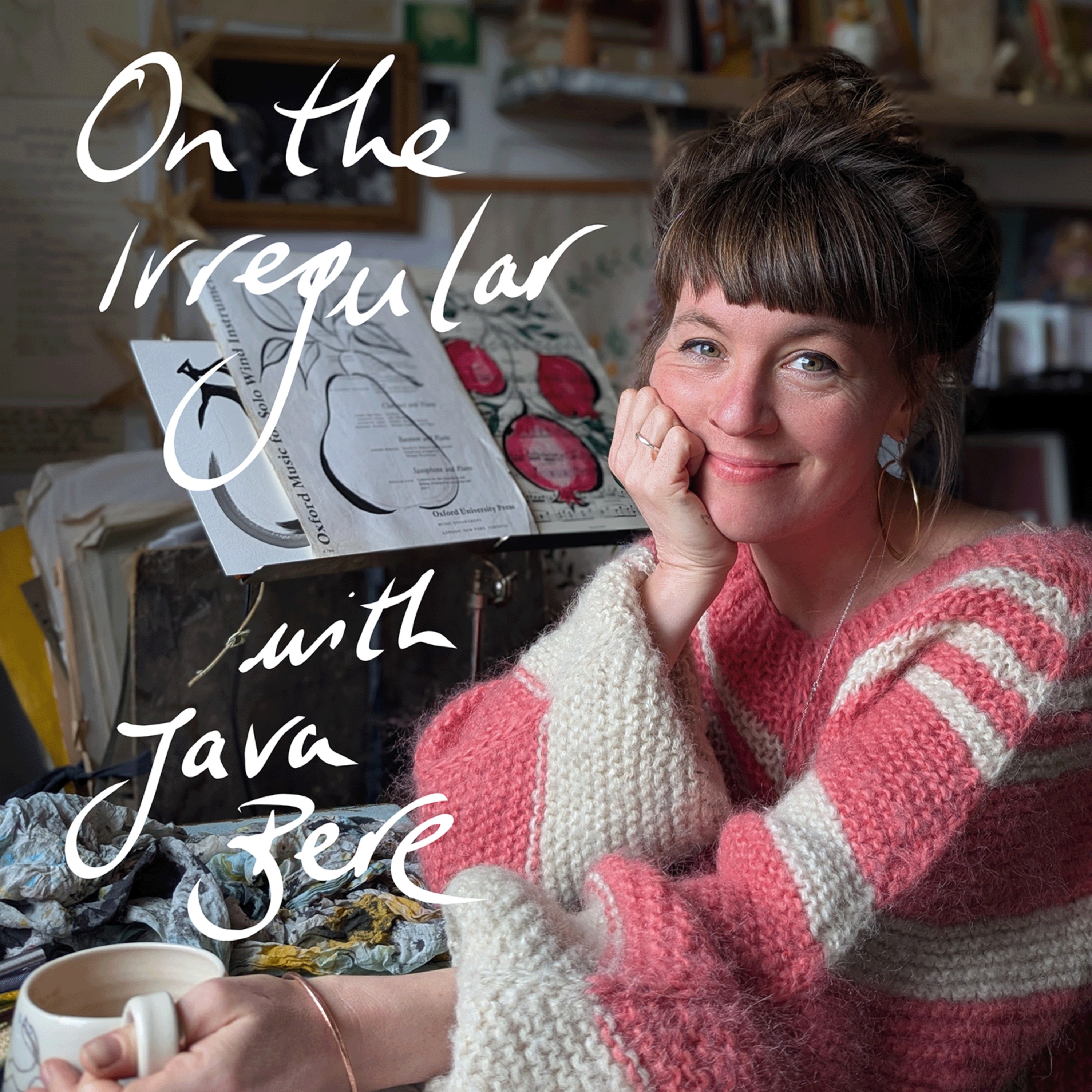
On the Irregular with Java BereShow Notes
This week I'm talking to Jenny Oakenfull, baker and co-owner of Longboi's Bakehouse in South Manchester. Originally from York, Jenny left school with an armful of A grades and very little idea of what she wanted to do.
Because her academic learning skills were strong, she was encouraged to pursue the academic route and applied to do Geography at uni. Nearly fifteen years later, via several other cafes, bakeries and patisseries, Jenny has now co-opened a bakery and patisserie in South Manchester. On the corner of a quiet street lined with red brick houses, you will find a refuge for your sweet tooth, filled with cakes and pastries worthy of Marie Antoinette. If you’re lucky, it won’t be raining when you join the queue winding out the door. Join us to find out how Jenny got here, what it was like opening a food business amidst a apndemic and why she loves the food and hospitality business quite so much. Welcome to episode twelve with baker extraordinaire, Jenny Oakenfull.
Website: longboisbakehouse.com
Instagram: @longboisbakes and @jenny_oak
Show notes:
Unicorn Grocery
Pollen Bakery
Idle Hands
Siop Shop
Support the show
This is a public episode. If you would like to discuss this with other subscribers or get access to bonus episodes, visit javacbere.substack.com Hosted on Acast. See acast.com/privacy for more information.
More from On the Irregular with Java Bere
For the final episode of season 4 I talk with undertaker and owner of the independent funeral service Natural Endings, Rosie Grant.
In this episode I talk with writer, poet and playwright, Cordelia O’Neill. We discuss Cordelia’s play ‘Anything is Possible if You Think About it Hard Enough’ about a young couple whose baby is born still. We discuss creativity as a tool for developing empathy and how experiencing loss can bring you closer to joy, love and hope. And we talk about the twist of fate where Cordelia’s life imitated her art. This episode includes swearing and an in depth and detailed conversation about our personal experiences of late stage termination for medical reasons, so please be aware before listening. Welcome to my chat with the tender and ever so lovely Cordelia. You can find Cordelia online on X @cordeliaoneill3 or at www.smallthingstheatre.com
In this episode I talk with Yorkshire artist, Jess Kidd. We discuss Jess’ childhood as an acutely shy child who often lived in her own imaginary world, the comfort she found in creativity as a form of expressing herself, the challenges she experienced at art school and then being diagnosed with health issues that impacted her life dramatically.
In this episode I talk to photographer Jo Ritchie and writer Laura Mcdonagh. We talk about their work on Projecting Grief, a collection of stories and portraits from individuals who have found comfort, distraction or hope in a creative pursuit after losing someone they love. We also talk about how they came together creatively, their own experiences of grief and how it has changed them in defining ways, the power in sharing your own story of grief and the things we gain through loss. Welcome to my conversation with the utterly wonderful Laura and Jo. A warning, this conversation contains swearing and the odd bit of background drilling from the workmen next door.
In this episode I talk with writer and disabled content creator, Helen Lear. Helen and I met at drama school in Manchester, sixteen years ago. Since then, a lot has happened. In her twenties, Helen dropped her life in the Uk to travel through Australia and New Zealand, envisioning a life of further international travel ahead of her. During this time she began to experience serious health issues that were impacting her day to day life, which led her to the difficult decision of moving back to the UK. Then, Age 27, and eight months into a new relationship, Helen suddenly lost her vision and became paralysed from the neck down, both overnight. Helen then had to go through the process of regaining her sight and learning how to walk again. We talk about adjusting to her newly medicalised life at the time, having to give up a job she loved, and all the other versions of herself that she often thinks about, had none of this happened, We talk about how using a wheelchair has opened up the possibility of travel for her again and how meeting new people and visiting new places soothes her feeling of unsettledness. Welcome to my conversation with my lovely friend, Hele Lear.