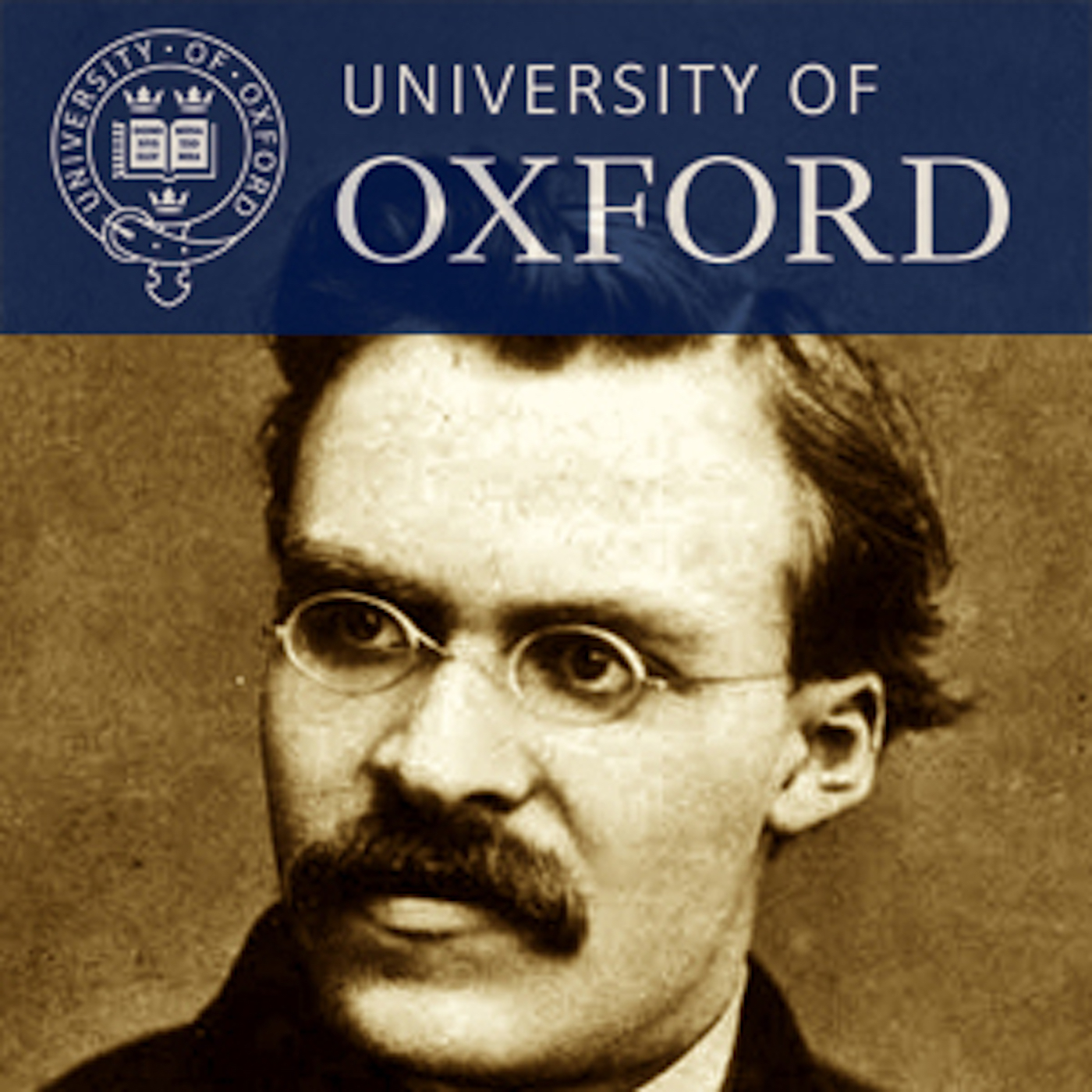
Consciousness, Language and Nature: Nietzsche's Philosophy of Mind and Nature
Nietzsche on Mind and NatureShow Notes
On the triangulation between consciousness, language and nature in Nietzsche's philosophy and contemporary philosophy of mind and proposes a philosophy of signs and interpretation as a basis for a philosophy of mind, language and nature.
More from Nietzsche on Mind and Nature
Introduction to the scholarly editions of Nietzsche Source: the digital critical edition based on Colli/Montinary, the digital edition of the Nietzsche estate including works, manuscripts and letters and the future genetic edition of Nietzsche's works.
Lecture on Nietzsche's attack on Value Dualism, as well as the view he offers instead and whether Nietzsche can sustain his Value Monism-the view that everything is good-given the pressures that pull him back into saying no as well as yes.
Nietzsche rejects a persisting self; real distinctions of objects and properties, categorical and dispositional properties, causes and effects; free will. He holds that determinism is true, reality is one and fundamentally experiential.
Nietzsche's Sovereign Individual (SI) argues that 1. Nietzsche denies free will and moral responsibility. 2. SI in no way supports a denial of 1. 3. Nietzsche engages in a 'persuasive definition' of the language of Freedom and Free Will.
This keynote speech examines if, according to Nietzsche, experience of nature is inevitably conditioned by some archetypal phantasm or cultural construction process or if unmediated apprehension of nature is possible.