Show Notes
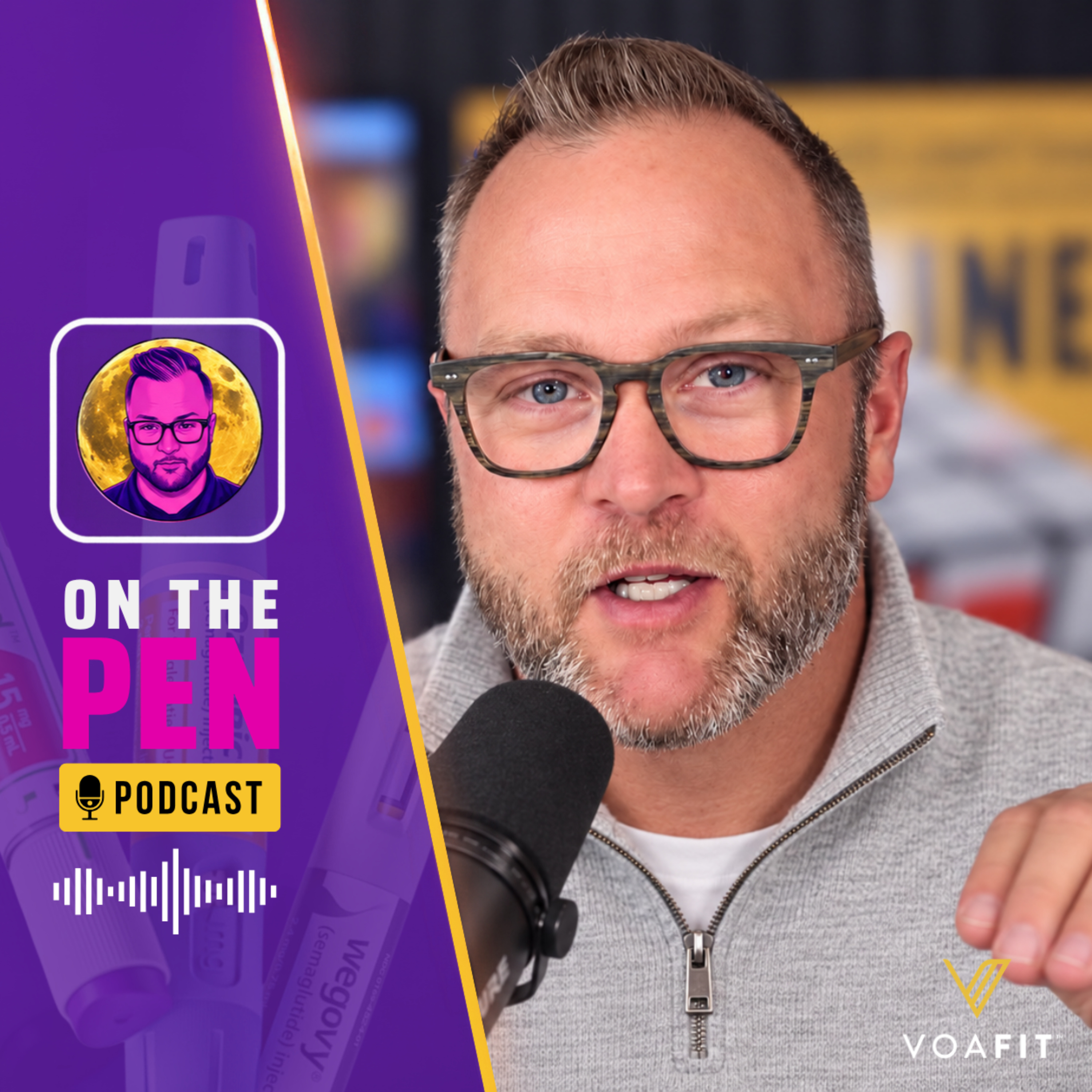
Send a text This episode opens the year with one of the most consequential—and complicated—weeks in GLP-1 obesity medicine. We break down three stories that, taken together, reveal why patients are increasingly reading past headlines and demanding accountability from the industry. First, we examine early-phase trial data from Arrowhead Pharmaceuticals, after headlines claimed its experimental INHBE-targeting therapy “nearly doubled” the weight loss of Zepbound. We walk through what the data actually showed, why the comparison was misleading, how trial design and dosing matter, and why Phase 1 results should never be treated as superiority claims. Next, we turn to a major access milestone: the official launch of oral Wegovy, the first FDA-approved GLP-1 pill for obesity from Novo Nordisk. We discuss how this pill differs from compounded oral semaglutide, why its pricing strategy is so disruptive, and what this launch means for people who have avoided injectable medications. We also explore how direct-to-consumer access, telehealth partnerships, and retail pharmacy distribution signal a broader shift in how obesity care is being delivered. Finally, we address the most ironic—and uncomfortable—story of the week: manufacturing quality concerns involving branded Wegovy pens, reported to include biological particulate matter, at the same time Novo Nordisk continues a years-long public and legal campaign against compounded GLP-1 medications on safety grounds. We discuss FDA inspection history, the acquisition of Catalent, and why credibility depends on consistency—especially when millions of patients are paying close attention. This episode isn’t anti-pharma or pharma-friendly. It’s patient-first. And it asks a simple question: Who do we trust when science, marketing, access, and manufacturing all collide at once? Episode Timestamps 00:00 — Why this first episode of 2026 matters 02:10 — Hair found in Wegovy pens and why patients notice hypocrisy 06:15 — Arrowhead trial headlines vs. what the data actually shows 11:40 — Why tirzepatide dosing and trial design matter 17:30 — What INHBE targeting may actually be good for (and what it’s not) 21:45 — Sponsor: SHED and access pathways for obesity care 25:10 — Oral Wegovy officially launches: what’s different this time 30:20 — How the Wegovy pill works and why bioavailability matters 35:40 — Pricing, telehealth, Costco, and direct-to-consumer access 41:50 — Why pills lower barriers for millions of patients 46:10 — Manu 🤝 Visit Our Sponsors! OTPLinks.com Decoding GLP-1 Book Decoding GLP-1: A Guide for Friends and Family of Those On The Pen Buy Here: https://amzn.to/3Dc66d4
MY WORK RELIES ON YOUR GENEROSITY, WAYS TO SUPPORT: Venmo: OnThePen Ca$h App: ManOnMounjaro
BECOME A MEMBER: https://www.youtube.com/channel/UCDocQ-4IhVS3ihy_dW7nSKw/join
👉 My Amazon Affiliate Store: https://www.amazon.com/shop/manonthemounjaroonthepen
WATCH MORE! 📺 We're Live M/W/F at 11 central: onthepen.tv
📲 Contact Me: [email protected]
Thank you for tuning in! If you found this content valuable, make sure to like, share, and subscribe to my youtube channel for more updates on GLP-1, obesity, type 2 diabetes, and the latest news on Mounjaro, Zepbound, Wegovy, and Ozempic. Stay informed and entertained with my unique blend of breaking news, humor, and my personal journey. For in-depth articles and resources, visit onthepen.com.
More from On The Pen GLP-1 News
Specific lots of compounded tirzepatide have been recalled over sterility concerns, another pharmacy recently recalled compounded semaglutide after particulate matter was identified, patients have reported visible strands and fibers in other compounded GLP-1 vials, and now FDA inspectors have documented black mold, insects, hidden paperwork, and questionable testing practices at facilities manufacturing GLP-1 active ingredients.So, should people taking compounded GLP-1s panic? No.Millions of people have used compounded semaglutide and tirzepatide, and these incidents still appear relatively uncommon compared with the enormous scale of use. But patients deserve transparency about who made their medication, where the active ingredient came from, what testing was performed, and what happens when something goes wrong.In this episode of On The Pen, we break down:- The Apothecary Pharma compounded tirzepatide recall- The affected lots and sterility concerns- Apollo Care and the compounded semaglutide “floaters”- The Hyalo/NewLife vials with reported visible strands or particulate- FDA findings involving black mold, insects, records, and GLP-1 API suppliers in China- Why these stories should not become Pharma vs. compounding- Why pharmaceutical manufacturers deserve scrutiny too- CagriSema, amylin, and why I’m watching January 2027- Lilly’s $1.1 billion METiS TechBio deal- Why the future of obesity and diabetes treatment needs to move beyond GLP-1s and weekly shots foreverAffected lot numbers and supporting links:👉 https://otplinks.comThe goal here is not fear. It is giving patients enough information to understand what they are actually injecting and enough context to put these stories into perspective.Subscribe to On The Pen for breaking GLP-1, obesity, diabetes, and metabolic health news.🔗 All my links: https://linktr.ee/manonthemounjaro#GLP1 #Tirzepatide #Semaglutide #Mounjaro #Zepbound #Ozempic #Wegovy #CompoundedGLP1 #CagriSema #WeightLossNews
Eli Lilly’s fight over retatrutide may be about much more than one obesity drug.I’ve been covering retatrutide since early 2023, and since late 2024 I’ve been closely following the legal fight over whether reta should be treated as a biologic. From the beginning, I’ve argued that this case could have consequences far beyond retatrutide itself.In this episode, I break down the growing unauthorized retatrutide market, the serious adverse events and death reports now entering the conversation, Lilly’s repeated legal actions against sellers, the restricted Seventh Circuit filings, and new context I’ve heard from someone connected to senior HHS policy discussions.The biggest question is no longer simply what happens to retatrutide. It’s whether this case could help shape how future peptide medicines are classified, regulated, and protected.I’m continuing to track the Seventh Circuit docket and work on the restricted filings. If those documents become available or I can independently confirm what is in them, subscribers at obesity.news and OnThePen.com will hear about it first.This episode is brought to you by VoaFit and Trilogiii Daily Essentials. Check the links in the show notes, and use code OTP10 for Trilogiii.Visit Trilogiii: https://triii.life/tiers/daily-essentials?utm_source=onthepen&utm_medium=influencer&utm_campaign=dave_knappVisit Voafit: https://www.voafit.com/otp
Zepbound isn’t just changing people’s weight. GLP-1 medications are beginning to change America itself.
This week on On The Pen, The Weekly Dose, we break down one of the biggest weeks in obesity medicine coming out of EASD 2026.Eli Lilly says Zepbound may still outperform Wegovy 7.2 mg, even after Novo Nordisk tripled the familiar maintenance dose, but the details are more complicated than the headline. We dig into the difference between the treatment-regimen and efficacy estimands, and why this was not a true head-to-head trial.We also cover Novo Nordisk’s $2.6 billion bet on a potential once-weekly oral GLP-1/GIP, new Foundayo data against high-dose oral semaglutide, Viatris and Mylan’s renewed patent fight over the future of generic Wegovy, and the full Phase 3 retatrutide publication in the New England Journal of Medicine.Plus, after weeks of concern over GLP-1 medications and NAION-related vision loss, we look at one practical thing patients may be able to do right now to better understand their own baseline risk.This episode is about more than who “wins” between Lilly and Novo. It is about what the data actually says, where the next generation of obesity treatment is headed, and what all of this means for patients trying to make informed decisions with their doctors.Covered in this episode: Zepbound vs. Wegovy 7.2 mg, retatrutide TRIUMPH-1 Phase 3 data, Foundayo/orforglipron, oral semaglutide, once-weekly oral GLP-1s, generic Wegovy patent litigation, NAION, GLP-1 vision risk, EASD 2026, Eli Lilly, Novo Nordisk, Viatris and Mylan.Subscribe for breaking GLP-1, obesity, diabetes and metabolic-health news, explained from the patient perspective.Get Exclusive OTP Savings and Resrouces:Https://www.otplinks.comGet Breaking Obesity Medicine News:HTTPS://www.onthepen.com
This week on On The Pen, The Weekly Dose Podcast, retatrutide heads into a major federal court fight as the Department of Justice gives FDA fresh legal ammunition just days before oral argument. At the same time, FDA is escalating its scrutiny of mass GLP-1 compounding, with a warning letter to Empower Pharmacy that could have major implications for semaglutide, tirzepatide, telehealth prescribing, and patient access. We also break down Viking Therapeutics’ new VK2735 maintenance data, including early weight-loss numbers that are starting to draw retatrutide comparisons and the possibility of every-other-week or even monthly maintenance dosing. Plus, Roche’s enicepatide, formerly CT-388, just posted a 2.65 percentage-point A1C reduction and 15.5% weight loss in people with type 2 diabetes and obesity, raising new questions about how competitive the next generation of GLP-1/GIP drugs may become. This episode is about more than one drug. It is about where obesity medicine is heading, who gets access, how regulators are drawing the lines, and why the next few years may look very different from the market we know today.