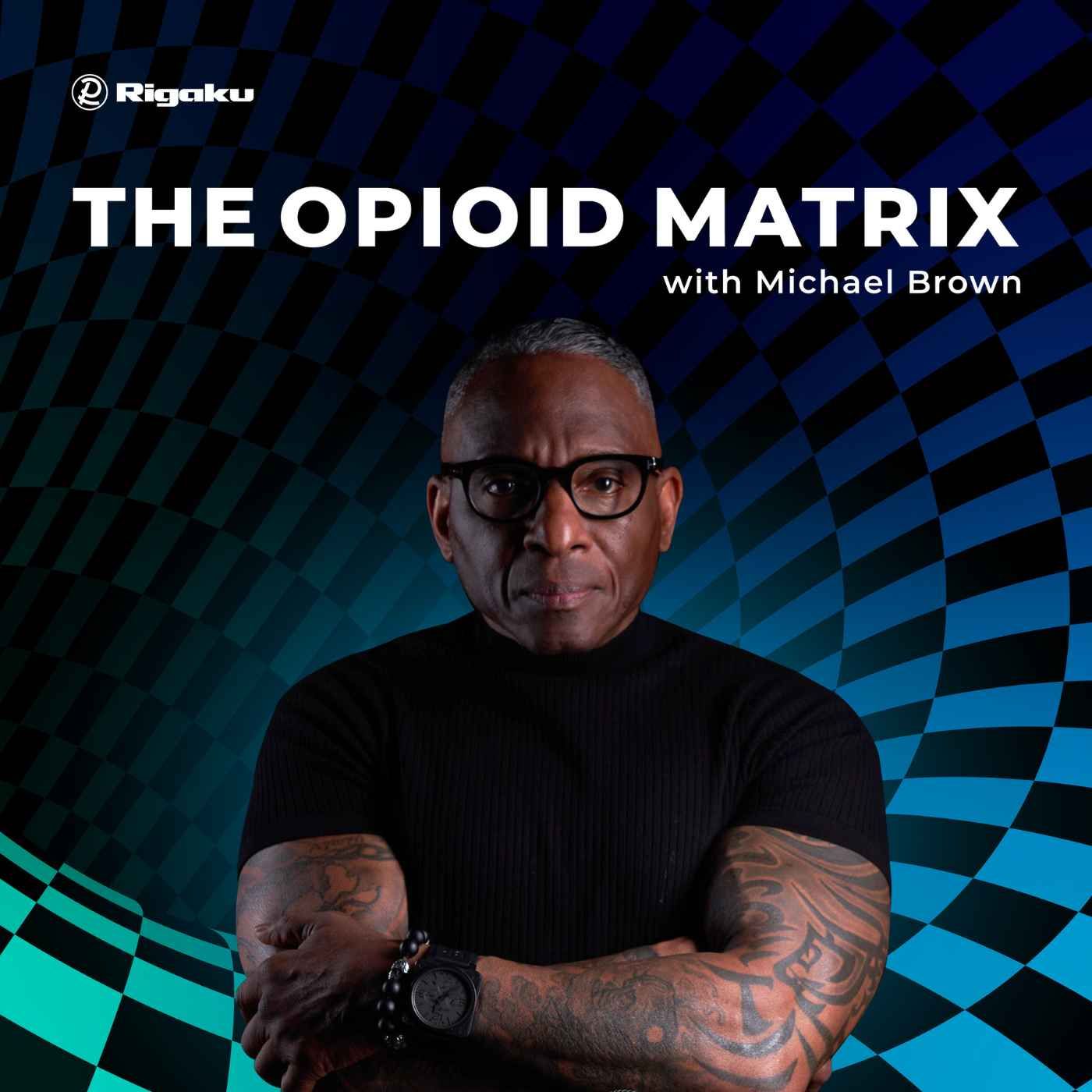
Show Notes
Generational addiction isn’t just a theory - it’s a reality in homes across America. But what does it take to truly break the cycle?
In this deeply personal episode of The Opioid Matrix, Michael Brown sits down with Chris Schultz, a father, a recovering addict, and a man who began using and trafficking drugs before his 15th birthday.
Chris shares how addiction took root in his family, what it cost him as a young man, and how years of therapy, faith, and community support helped him rebuild his life. Today, he runs an electrical contracting company that hires and mentors people in recovery - offering not just employment, but purpose.
Together, they explore: Why trauma in childhood leaves lasting scars How 30-day programs often fall short for long-term healing What accountability, structure, and second chances really look like Why trades and job skills may be the missing link in recovery
This is a raw and hopeful story - not just about addiction, but about what’s possible when recovery is backed by real resources, supportive communities, and lived experience.
Views expressed in this material are opinions of the host and the guest, and do not necessarily reflect the views of Rigaku Analytical Devices.
More from The Opioid Matrix: A Journey Into the Rabbit Hole
Is the fentanyl crisis simply a drug epidemic—or something far more strategic?
In this episode of The Opioid Matrix, host Michael Brown speaks with Ralph Ornelas, a 36-year veteran of the Los Angeles County Sheriff’s Department, about the domestic networks helping fuel America’s fentanyl crisis.
In this episode of The Opioid Matrix, Michael Brown speaks with Adam Castillo, a former U.S. Marine officer, founder of AGS Myanmar, and former president of the American business community in Myanmar. Adam is also the author of Finding Our Voice: A Story of Leadership in Crisis and the American Spirit Abroad, a leadership memoir shaped by his experience guiding an American business community through Myanmar’s post-coup collapse.
What happens when a fully synthetic drug turns organized crime into an industrial-scale, cross-border killing machine?
What happens when the world’s most dangerous networks evolve faster than the systems meant to stop them?