Show Notes
Have you ever felt different without really understanding why? And what happens when an autism or ADHD diagnosis changes the way you've always seen yourself?
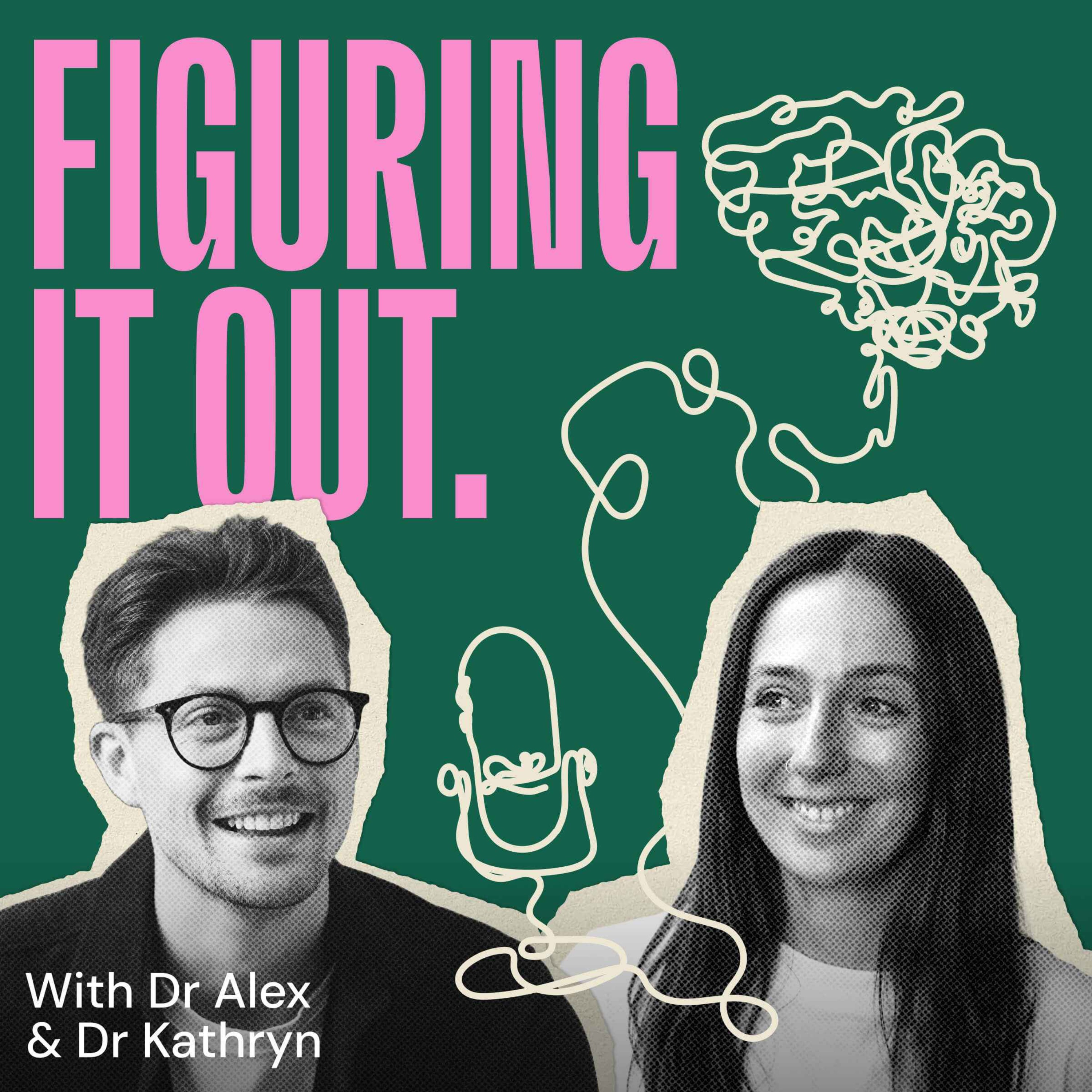
In Part 1 of Figuring It Out, Dr Alex George and research scientist Dr Kathryn Bates explore how we develop our sense of identity, why it continues to change throughout our lives, and how a late diagnosis can bring a complicated mix of relief, grief and self-discovery. Alex opens up about questioning his own identity after being diagnosed with ADHD, OCD and autism, while Kathryn explores the research behind how our sense of self develops. They also discuss why receiving a diagnosis doesn't always mean getting the support you need, and how finding a community of people who understand your experiences can make such a difference.
No lectures. No easy answers. Just two people trying their best to figure it out.
We're not here to give medical advice, we're just two friends exploring the science and figuring out life together. If you have any concerns about your health, please speak to your doctor.
Each episode arrives in three parts from Monday to Wednesday. Part One tackles the Big Question. Part Two answers a real dilemma sent in by a listener. Part Three puts the most common claims to the test in Myth, Fact and It's Complicated.
Have a question or dilemma you'd like us to tackle in a future episode? We'd love to hear from you. Email us at [email protected]. Hosted on Acast. See acast.com/privacy for more information.
More from Figuring It Out
Are we really overdiagnosing ADHD and autism? And does understanding someone's differences automatically make relationships easier?
Why can an upsetting interaction stay with you for days, or even weeks? And why can emotional pain feel so difficult to move on from? In Part 2 of Figuring It Out, Dr Alex George and research scientist Dr Kathryn Bates answer a listener's question about why emotional pain can feel stronger and last longer for some people with ADHD and autism.
Could your special interests be doing more for your wellbeing than you realise? For autistic people, these interests can be much more than hobbies, potentially helping with emotional regulation, reducing stress and providing a sense of comfort.
Autistic burnout is more than just feeling tired. It can involve overwhelming exhaustion, difficulty managing everyday tasks and a reduced tolerance to sensory input. But what causes it, and what can help?
Ever come home from a social event feeling completely drained? For many autistic people and people with ADHD, socialising can be exhausting, particularly when masking and sensory overload come into play.