Show Notes
When BLOX opened in 2018, it divided opinion. Designed by OMA as the home of the Danish Architecture Center, the building was unlike anything Copenhagen had seen before, bold, complex and unapologetically different.
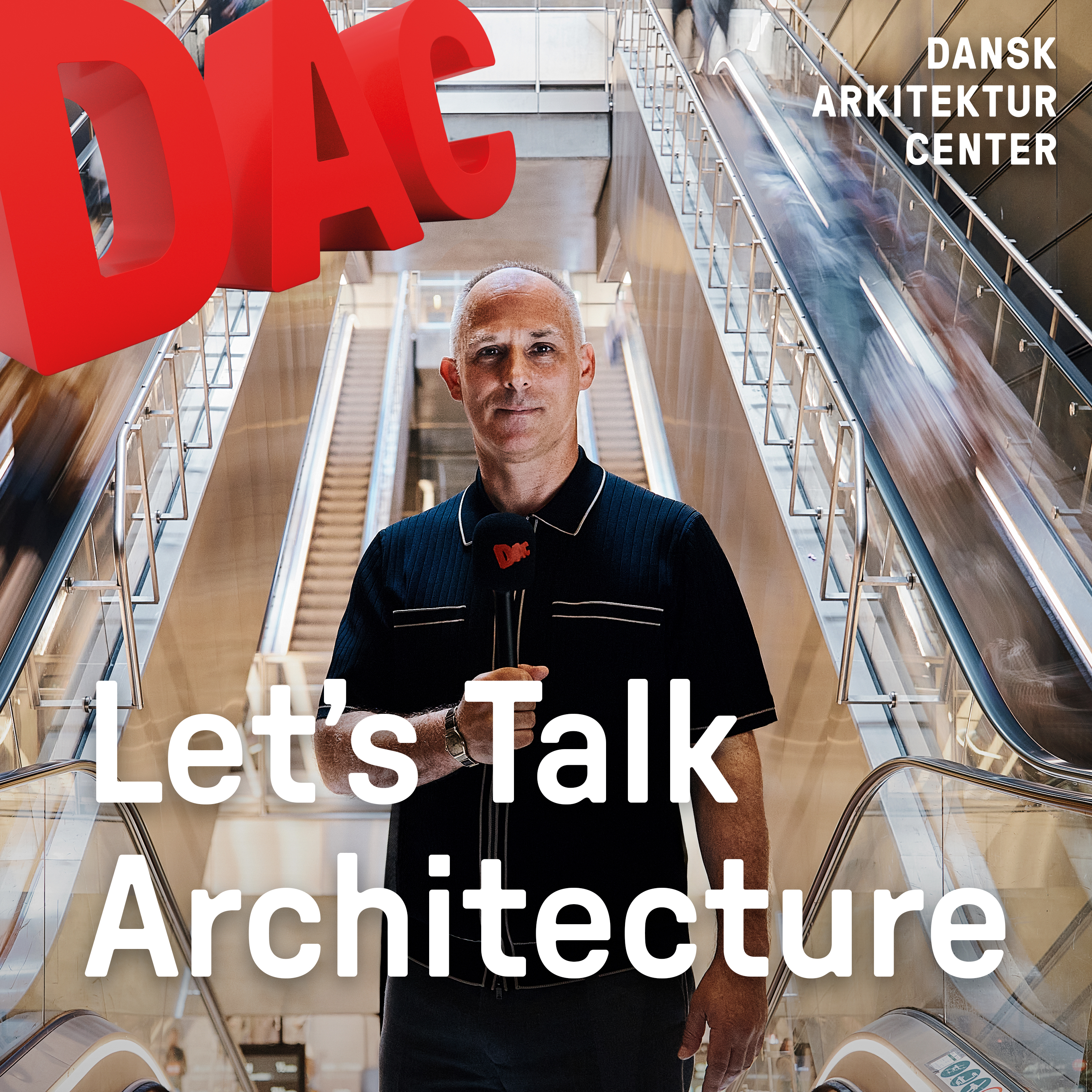
In this episode, host Michael Booth is joined by DAC CEO Kent Martinussen for a guided tour of BLOX, as the centre prepares an anniversary exhibition marking 40 years of DAC. Together they unpack the story behind the building: the unusual architect selection process, Rem Koolhaas' vision of architecture as urban infrastructure, and the idea of BLOX as a city within a city.
Moving from harbour-level plazas to dramatic interior spaces and rooftop terraces, the conversation explores how BLOX has evolved from controversy to everyday use, a flexible, lived-in building where culture, work and city life intersect.
Guest: Kent Martinussen, CEO, Danish Architecture Center Host: Michael Booth Let's Talk Architecture is a podcast by Danish Architecture Center. Sound edits by Munck Studios.
More from Let's Talk Architecture
Copenhagen continues to build and expand, and the next stage will be the development of Refshaleøen, a former military base and industrial zone on the harbourfront across from the Little Mermaid statue. But what will the mobility mix look like when the district is completed in a couple of decades' time? Copenhagen is world famous for its cycle culture, but the Danes are buying more cars than ever, and driving them more kilometres too. Meanwhile, the Metro link looks like it will come after the majority of new residents have moved in, which isn't ideal… One of the organisations hoping to be involved in planning the transport for the Danish capital in the future is Beta Mobility. We meet with its co-founder, architect Robert Martin, to hear how he sees the city's transport mix of the future and take a trip to Refhaleøen to hear how he would like things to shape up as the Danish capital moves into the second half of the century.
When Børsen caught fire on 16 April 2024, Denmark lost one of its most iconic landmarks. In this episode, we visit the historic building during its reconstruction and speak with Mette Tony, co-founder of Praksis Architects, about the challenges of rebuilding an important piece of Danish cultural heritage. How do you restore a building with 400 years of history, and which version of Børsen should rise from the ashes? Guest: Mette Tony, co-founder Praksis Architects Host: Michael Booth
Visit most of the major architecture firms in Copenhagen and you might be forgiven for thinking the industry is more diverse than most, but as we learn in this episode, things aren't always what they seem. Christine Bjerke is an architect and the co-founder of Building Diversity, a volunteer-run organisation which focuses on inclusivity and aims to enhance diversity within the built environment. We've touched on this a few times over the years in episodes of Let's Talk Architecture, looking at how to include a wider range of people in the consultancy process, how to open up the industry to a broader spectrum of people, or how to make buildings and spaces more accessible, both physically and just more approachable. But Building Diversity is tackling all of this head on. Join us as we visit one of Copenhagen's most prominent public spaces to see it through Christine's eye
The Hedeskov Living Lab in Djursland, on the Jutland Peninsula, points towards a potential paradigm shift in sustainable architecture. In this episode, we meet architect Justine Bell from Djernes & Bell, who tells the story of transforming a former school into a centre for education, research and experimentation with regenerative building practices. The project has been created using locally sourced raw and reclaimed materials, including clay, sand, bulrushes and horse manure.
You find Dinesen wood floors in museums, flagship stores, restaurants, galleries and historic buildings around the world. But what is it about these extraordinary timber planks that architects love so much?