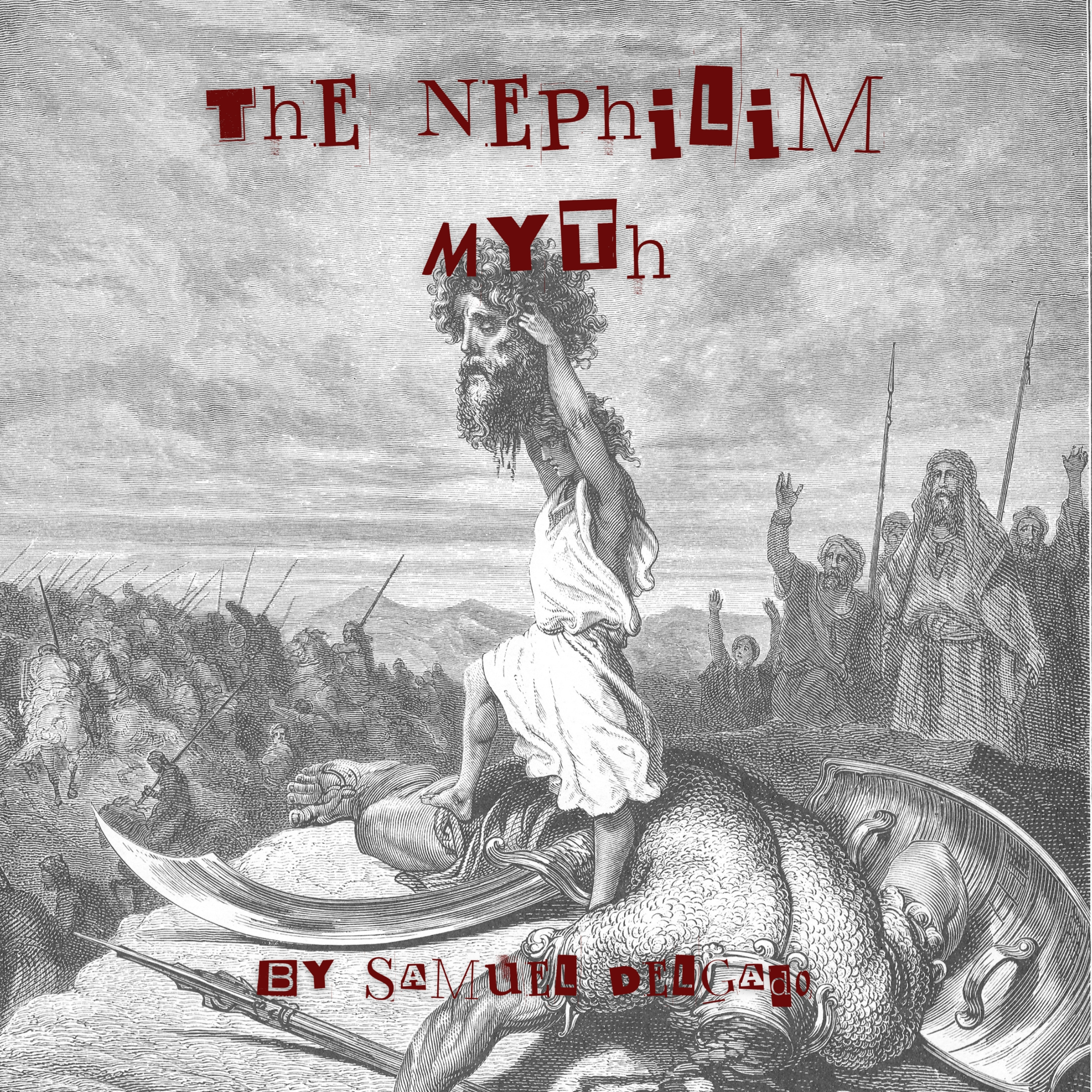
Show Notes
Are Deuteronomy 32:8 and Psalm 82 proof of a heavenly council that supports the hybrid theory? In this bonus episode, the hosts analyze these controversial texts in light of The Nephilim Myth, exposing common misinterpretations and reaffirming a text-driven approach to difficult passages. This academic text critically examines interpretations of biblical passages related to the Nephilim and the concept of a divine council. The author challenges common understandings of Genesis 6, arguing against the idea of angels having physical limitations or producing offspring with humans. A significant portion of the work focuses on reinterpreting specific verses, such as Deuteronomy 32:8 and Psalm 82, suggesting that "sons of Israel" consistently refers to humans and that "gods" in Psalm 82 refers to human rulers rather than divine beings or angels. The text also addresses the Book of Enoch, presenting arguments against its historical accuracy and contradictions with other biblical narratives. Ultimately, the author champions the "Sethite view," which attributes the Nephilim to intermarriage among human lineages, emphasizing themes of God's holiness and the consequences of human actions. Buy Book
More from The Nephilim Myth: The Podcast
Why are we so drawn to mystery and myth? And what’s the cost of pursuing hidden knowledge at the expense of biblical clarity? The hosts reflect on the key takeaways from The Nephilim Myth, emphasizing a love for God’s Word and a commitment to let the text speak for itself. This excerpt from Samuel Delgado's book, "The Nephilim Myth: A Textual Analysis and Reassessment," explores various interpretations of the Nephilim, a mysterious group mentioned in biblical texts. Delgado analyzes Genesis chapters 3-6, the limitations of angels, and the context of the Flood to challenge common perceptions. The author also examines the Book of Enoch, evaluating its dating, authorship, and contradictions while considering its allusions in the New Testament and its presence in the Ethiopian Bible and Dead Sea Scrolls. Ultimately, Delgado advocates for the "Sethite View", emphasizing intermarriage as the forbidden theme and its connection to God's holiness. He concludes by cautioning against an obsessive focus on hidden interpretations of the Nephilim, asserting that such a focus can distract from a comprehensive understanding and appreciation of all scripture. Buy Book
This episode focuses on the overlooked strength of the Sethite view—the idea that the “sons of God” were from the godly line of Seth. The hosts highlight how this interpretation fits biblical themes of intermarriage, holiness, and covenant faithfulness, while staying consistent with the rest of Scripture. This academic excerpt, "The Nephilim Myth: A Sethite View" by Samuel Delgado, challenges the popular "angelic view" of the Nephilim mentioned in Genesis 6. Delgado champions the "Sethite view," which posits that the "sons of God" who married the "daughters of men" were not fallen angels, but rather descendants of Seth intermarrying with the lineage of Cain. The text argues this interpretation provides a more consistent understanding of biblical themes like intermarriage—emphasizing spiritual separation over genetic purity—and highlights God's holiness in the contexts of the Flood and the Israelite conquest. Ultimately, the author contends that the Sethite view offers a coherent theological pattern seen throughout scripture, avoiding problematic implications of the angelic view regarding genetic heritage and God's character. Buy Book
Can we trust the Book of Enoch? The hosts dive into the most commonly cited extra-biblical source for the Nephilim theory. They discuss the book’s historical context, contradictions, and alleged connection to the New Testament. Spoiler: the biblical text comes out on top. The provided text offers a critical examination of the Book of Enoch, arguing against its use in interpreting biblical narratives, particularly concerning the Nephilim. The author asserts that the Book of Enoch is a pseudepigraphal work, likely written millennia after the biblical Enoch, and filled with numerous contradictions and falsehoods when compared to the Bible. It highlights how the Book of Enoch's depiction of giants, angelic procreation, and theological concepts diverges significantly from biblical teachings, even going so far as to attribute messianic qualities to Enoch himself. Furthermore, the text addresses the common belief that the New Testament alludes to or quotes Enoch, suggesting that such interpretations are often based on misreadings or shared oral traditions rather than direct textual reliance. Ultimately, the author advocates for a hermeneutic where scripture interprets scripture, cautioning against allowing external, potentially uninspired texts like the Book of Enoch to shape one's understanding of the Bible. Buy Book
Was the conquest of Canaan about wiping out hybrid giants? This episode looks at what the Bible actually says about the reasons for destruction, the lack of hybrid language, and Israel’s call to make peace. The hosts explore whether the conquest supports or contradicts the angelic-human offspring theory. Samuel Delgado's "The Conquest: Not About Hybrids" argues against the "angelic view" interpretation of the conquest narrative in the Bible, which posits that the destruction of certain nations was due to their being Nephilim hybrids. Delgado analyzes biblical texts from Genesis, Deuteronomy, Exodus, Numbers, Joshua, Judges, and Psalms, asserting that the reason for the destruction was the inhabitants' wickedness and idolatry, not their genetic makeup. He highlights the lack of any mention of hybrids in these texts and points to instances where peace was made with human inhabitants like the Gibeonites and Rahab, directly contradicting the hybrid theory. The author emphasizes that the Israelites' failure to fully drive out these nations led to spiritual corruption through intermarriage and idolatry, further reinforcing that the issue was spiritual, not physical or genetic. Buy Book
What was the flood actually meant to accomplish? And does the theory of a second incursion undermine that purpose? In this episode, the hosts examine how The Nephilim Myth argues for a more coherent interpretation of the flood narrative—one that maintains God’s justice and the integrity of the biblical storyline. Samuel Delgado's "The Nephilim Myth: Decoding the Flood Narrative" critically examines interpretations of the biblical flood story, particularly those that posit an "angelic view" involving hybrid beings called Nephilim. Delgado argues against the idea that the flood's primary purpose was to eliminate these hybrids, asserting that this perspective distorts the original narrative's emphasis on human wickedness and God's judgment. He challenges the feasibility of an angelic incursion scenario, especially the notion of Nephilim surviving the flood or a second angelic intervention, highlighting how such theories undermine God's omnipotence and the completeness of the flood's judgment. The author advocates for the "Sethite view," which interprets the "sons of God" in Genesis as the lineage of Seth, emphasizing the theme of intermarriage and God's holiness. Buy Book