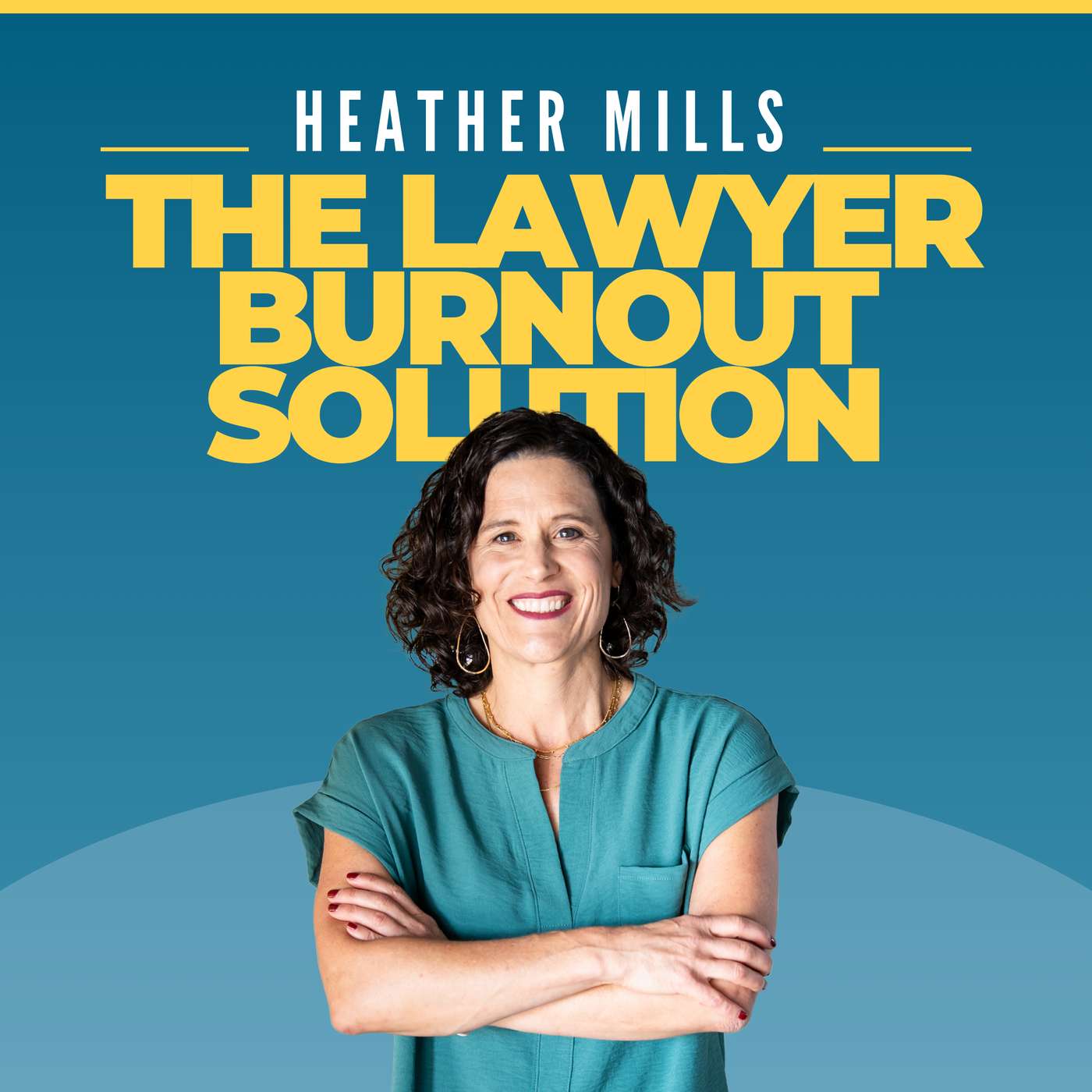
Show Notes
Always feel responsible for everyone and everything? Learn how to stop overcommitting, set boundaries, and still be seen as a team player -- without burning out. If you’re a woman lawyer who feels like you’re carrying the weight of your workplace, your family, and everyone’s expectations, this episode is your roadmap to freedom. We dig into why you feel responsible for things you can’t control, how this pattern is rooted in gendered socialization, and why it’s a fast track to exhaustion and resentment. . You’ll hear the real story of Maya, a lawyer who thought she had to manage her clients’ happiness, her family’s travel plans, and her colleagues’ performance -- until she realized her sense of responsibility wasn’t coming from others, but from her own beliefs. We’ll break down the four drivers of excessive responsibility: Socialization: Why women lawyers are taught to put everyone else first Misplaced Responsibility: The urge to control outcomes, emotions, and other people’s opinions Fear of Judgment: How perfectionism and people-pleasing keep you stuck Magical Thinking: The myth that doing everything perfectly will keep everyone happy You’ll learn how to spot these patterns in your own life and, more importantly, how to break free. I’ll walk you through practical steps, like making two simple lists to separate what’s truly yours from what’s not, and how to start letting go of guilt when you say no or set boundaries.
Inside this episode: Why overcommitment is not a badge of honor, but a recipe for burnout How to shift from feeling responsible for everyone to being accountable for yourself The power of “autonomous accountability” -- focusing on what you can control and letting go of the rest How to handle negative emotions like guilt and anxiety without letting them run your life Real-life examples and mindset shifts you can use right now to reclaim your energy and peace of mind Ready to stop feeling like you have to fix everything for everyone? Hit play and start practicing the mindset shifts and boundaries that will actually help you thrive in your legal career and your life. Want more support? Book a free 20-minute call to talk about your burnout challenges. www.heathermillscoaching.com Download my free guide: 7 Reasons You’re Not Burned Out and Are Totally Fine, You Swear Follow me on Instagram and LinkedIn for regular tips and support Full Show Notes, Episode Transcript, Plus More Resources for Women in Law: 03 How to Stop Feeling Responsible for Everything and Everyone https://www.heathermillscoaching.com/blog/03-how-to-stop-feeling-responsible-for-everything-and-everyone
More from The Lawyer Burnout Solution
Even when you win the case, part of you still counts what it cost your client emotionally. From your first year of practice, you were trained to anticipate harm and prevent bad outcomes before they happen. That training teaches something else too, something no one ever states directly: if a client suffers, you didn't do a good enough job. So when your client goes through discovery, a hearing that doesn't go your way, or even a win that still creates suffering, the same belief fires. Their negative emotions become evidence you failed. This episode names that belief precisely, and asks whether it was ever true. Want to understand what's driving the patterns in your own practice? Book a private 20-minute call at heathermillscoaching.com/call. We'll talk about what's driving your pattern and whether working together makes sense. Real conversation. Follow Heather on LinkedIn for weekly analysis of the patterns that keep high-performing attorneys stuck, and what actually changes them. Full Show Notes and Transcript: 042 When your client's suffering feels like your failure https://www.heathermillscoaching.com/blog/042-when-your-clients-suffering-feels-like-your-failure
It might be hormones. It might be aging. But there's a mechanism behind the 3am wakeup and the headache by 11am that nobody's named for you yet. Sleep hygiene, gratitude journals, breathing exercises: attorneys try all of it and the physical symptoms stay. Tight chest on Sunday afternoon. Headache by late morning. Getting sick the moment a vacation finally starts. Hormones and aging can be part of the picture. But there's a mechanism most attorneys have never considered. Your brain reads deadlines, difficult emails, and demanding clients as threats to your career security and your identity as a competent attorney, automatically, before you're aware of it. That interpretation triggers your stress response, and stress hormones circulate whether or not the threat is real. The read is a shortcut built from past experience, and it doesn't reset on its own. Vacation and sleep address the symptoms, not the interpretation running underneath them. You have more influence over that response than you've been told.
The work used to tell you that you were okay. At some point it stopped.
Your brain reads a stress response the same way it reads a flagged issue in a brief: as something to investigate. So when your nervous system fires before a deposition or after tough feedback, your brain goes looking for what it means. What it finds usually sounds like this: this shouldn't be happening, other attorneys handle this better than I do. That interpretation isn't random. Law school taught you that not knowing is a liability. Practice taught you that struggle is risk. So your nervous system stopped distinguishing between needing to be competent and having any internal experience of difficulty. The two collapsed into one thing. This episode explains where that interpretation comes from, why it intensifies instead of resolving on its own, and what changes when you stop treating a stress response as evidence about your competence. The stress response was never the problem. What your brain decided it meant was.
You finished the brief. The partner was satisfied. You're already cataloguing what you might have missed.