Show Notes
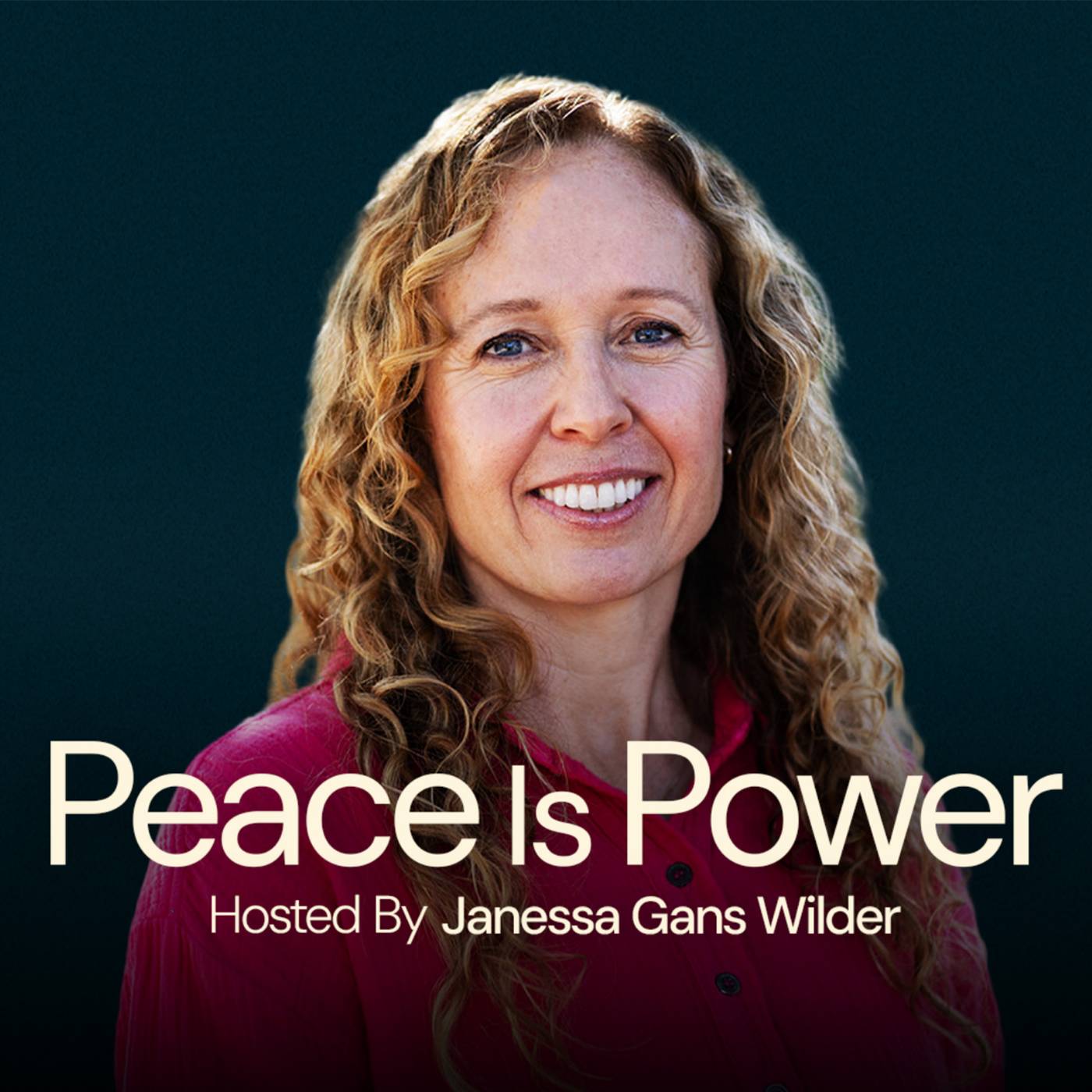
Hollywood actress and meditation teacher Stephanie Nash joins Janessa Gans Wilder to explore how inner peace can transform our relationship with emotions, conflict, and the world around us. Reflecting on her connection to the ocean, Stephanie shares how mindfulness helped her embrace vulnerability and find peace beyond external circumstances. Together, they explore practical ways to process difficult emotions, interrupt stress through breathing and laughter, and approach life's challenges with greater presence. They also discuss why peace is not passivity, the importance of women's leadership in peacebuilding, and how simple, accessible meditation practices can create meaningful change in our lives and relationships.
Key Takeaways:
Vulnerability is a source of strength Allowing ourselves to experience difficult emotions rather than suppressing them creates space for authenticity, connection, and personal power.
Inner peace does not depend on external circumstances Mindfulness helps us remain grounded amid uncertainty and conflict, allowing us to respond with clarity rather than react from fear.
Processing emotions creates space for clarity Noticing bodily sensations, releasing tension, and allowing emotions to flow can reduce suffering and strengthen emotional awareness.
Peace can be playful, active, and powerful Peace is not passivity. Laughter, playfulness, and conscious breathing can interrupt negative thought patterns and support more intentional action.
Mindfulness should be accessible to everyone Effective meditation practices should fit our individual needs and daily routines, whether through a few mindful breaths or short moments of sensory awareness.
Timestamps: (00:41) The ocean as a source of peace and healing- Stephanie and Janessa explore their different relationships with the ocean. (03:41) How mindfulness transforms discomfort- Stephanie shares how meditation helped her embrace experiences she once feared. (05:52) Vulnerability is your strength- Why embracing difficult emotions can deepen presence and connection. (07:33) Finding peace in the eye of the hurricane- Cultivating inner steadiness despite external chaos. (10:19) Everyday mindfulness and sensory awareness- Using sights, sounds, and bodily sensations to quiet mental stories. (16:14) Breathing through stress and overwhelm- A simple breathing technique for managing rising stress. (21:37) Laughter as a powerful disruptor- Stephanie introduces her playful “three-bounce chuckle” exercise. (28:15) Is peace passive, or is it power?- How grounded presence supports purposeful action rather than fearful reactions. (31:19) Women, leadership, and peacebuilding- Exploring gender expectations and barriers to women's public leadership. (37:03) Making meditation accessible- Why mindfulness must fit into the realities of everyday life. (44:36) Finding the right meditation practice- Choosing techniques based on individual needs, preferences, and schedules. (47:40) How inner transformation changes relationships- Stephanie shares how meditation can influence work, family, and emotional responses.
Guest Bio: Stephanie Nash is a Hollywood actress, meditation teacher, and mindfulness coach whose work brings together performance, emotional awareness, and personal transformation. Drawing on decades of experience in the entertainment industry and her own meditation practice, she helps people work with stress, self-judgment, difficult emotions, and the challenges of everyday life. Her approach emphasizes making mindfulness practical, accessible, and playful. Through breathing techniques, sensory awareness, and personalized meditation practices, Stephanie encourages people to cultivate greater presence, emotional resilience, and well-being without needing to withdraw from the demands of the world.
Follow Stephanie Nash...
More from Peace is Power
In this episode of Peace is Power, Janessa Gans Wilder speaks with Rev. Dr. Fuhbang Emmanuel Tanifum, a pastor, theologian, interfaith leader, and grassroots peacebuilder working in Bamenda, Cameroon, amid the country’s ongoing Anglophone conflict. Emmanuel shares the childhood experience that first shaped his commitment to nonviolence: as a teenager, he was seriously wounded after responding to a family conflict with violence. The experience led him to question what violence could actually accomplish and convinced him that “violence will only beget violence.” His organization combines peacebuilding and leadership education with vocational and self-employment training, helping young people develop both the skills and economic independence to reject recruitment by violent actors.
In this episode of Peace is Power, Janessa Gans Wilder speaks with Palestinian non-violence leader Ali Abu Awwad about identity, non-violence, hope, and the search for a practical path toward peace. Drawing on his experiences during the First and Second Intifadas, imprisonment, a hunger strike, and the death of his brother, Ali describes how his understanding of conflict transformed from resistance and revenge toward nonviolence as an identity and way of life. He argues that Palestinians and Israelis must confront their own fears, anger, stereotypes, and assumptions before they can build a shared future. Ali calls on people around the world, particularly Americans, to become “pro-solution,” support constructive grassroots efforts, and engage their political representatives. Above all, he emphasizes steadfastness, shared humanity, and the need to build a future based on dignity, freedom, and mutual responsibility.
Shannon Watts, founder of Moms Demand Action and author of Fired Up, joins Janessa Gans Wilder to explore how ordinary people can create extraordinary change through grassroots organizing, courage, and community. Reflecting on the origins of Moms Demand Action after the Sandy Hook school shooting, Shannon shares how a single Facebook post evolved into one of the largest volunteer-led movements in the United States, driven by women who refused to accept gun violence as inevitable.
Today on Peace is Power , Janessa Gans Wilder speaks with renowned Iraqi cellist, composer, and conductor Karim Wasfi about the role of music, culture, and human connection in the midst of violence and division.
In this episode of Peace is Power, Janessa Gans Wilder speaks with Dr. Scilla Elworthy about what it really takes to build peace in a world that continues to invest heavily in war. A three-time Nobel Peace Prize nominee and founder of both Oxford Research Group and Peace Direct, Dr. Elworthy reflects on decades of work alongside peacebuilders, military leaders, and women confronting violence on the front lines. Their conversation explores why war remains so heavily funded while peacebuilding is chronically under-resourced, and why Dr. Elworthy believes women’s leadership, communication, and courageous listening are essential to changing that. Throughout the episode, Dr. Elworthy returns to one central idea: the heart is not separate from effective action, but a source of wisdom, courage, and clarity. Together, she and Janessa consider how people can stay open in the face of grief, resist despair, and cultivate the inner fire needed to act for peace in this moment.