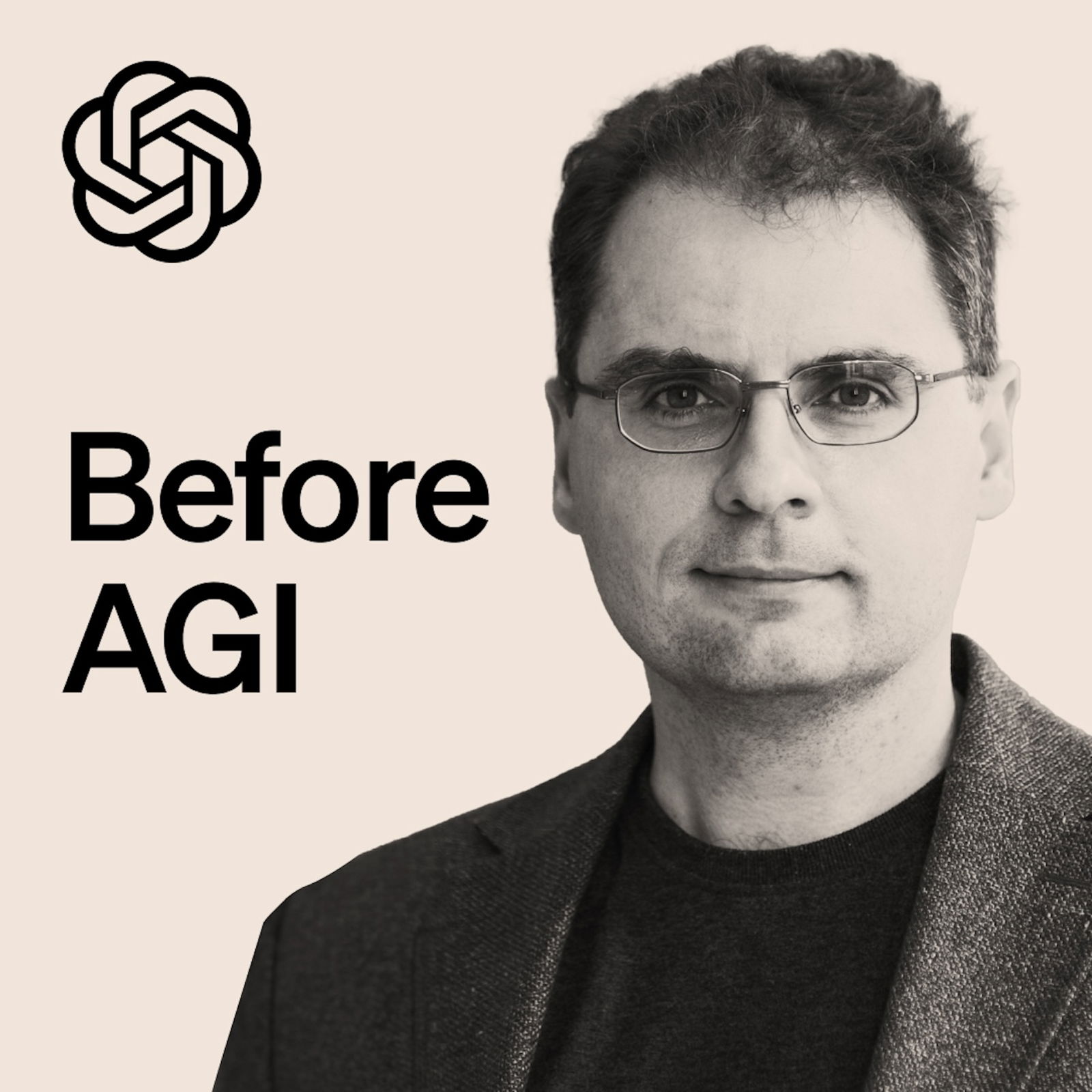
Show Notes
Artificial intelligence is rapidly transforming the world, raising urgent questions about its impact, governance, and the future of human-machine collaboration. As AI systems become more capable, society faces challenges around safety and the balance of power. What does it mean to build and deploy technology that can reason, create, and potentially automate research itself? How do leading researchers navigate the technical and ethical frontiers of this new era?
Jakub Pachocki, Chief Scientist at OpenAI, and Szymon Sidor, Technical Fellow at OpenAI, share their journeys from early programming competitions in Poland to shaping some of the most advanced AI systems in the world. They discuss the evolution of AI research, the technical and emotional challenges of building breakthrough models, and the profound societal questions that come with unprecedented progress.
2:42 - Origin story: high school to OpenAI 6:31 - “AI enlightenment” and AlphaGo moment 17:12 - Early OpenAI culture and impostor syndrome 23:30 - Power duo dynamic and collaboration 27:25 - Shift to reasoning models 36:23 - Possibilities of AGI 42:12 - OpenAI’s pandemic efforts showed AI’s immaturity 51:15 - Governance lessons from crisis 55:39 - AI safety and optimism for the future
More from Before AGI
AI systems are beginning to act on our behalf — executing tasks, making decisions, and influencing daily life in ways that often escape direct human oversight. What are the consequences of delegating decision-making to systems we don’t fully understand? How do we design AI to enhance human capabilities without sidelining human judgment? In this episode, host Aleksander Mądry welcomes Jonathan Zittrain, Professor at Harvard Law School and Co-Founder of the Berkman Klein Center for Internet & Society. They explore the legal, ethical, and societal challenges of living alongside increasingly autonomous AI. Drawing on lessons from the internet’s evolution, Zittrain examines how we can structure responsibility, foster innovation, and build systems that truly serve the public good — all while navigating the profound opportunities and risks of this technological transformation.
As AI becomes more integrated into daily life, it raises urgent questions about trust, accountability, and human agency. What happens when people over-rely on AI or when helpful tools are held back by perfectionism? Can we deploy imperfect systems while still earning public confidence?
As AI continues to permeate various aspects of society, its impact on decision-making, bias, and future technological developments is complex. How can we navigate the challenges posed by AI, particularly when it comes to fairness and bias in algorithms? What insights can be drawn from the intersection of economics, computer science, and behavioral studies to guide the responsible development and use of AI?
AI technology is transforming the world, raising crucial questions about governance, regulation, and societal impact. What measures should governments adopt to regulate AI effectively? How can academic institutions contribute to this development?
Governments are playing a crucial role in ensuring the safe and ethical deployment of AI technologies, protecting citizens while fostering innovation. What steps can policymakers take to safeguard our future? How can we, as citizens, contribute to the conversation and advocate for beneficial AI practices?