Show Notes
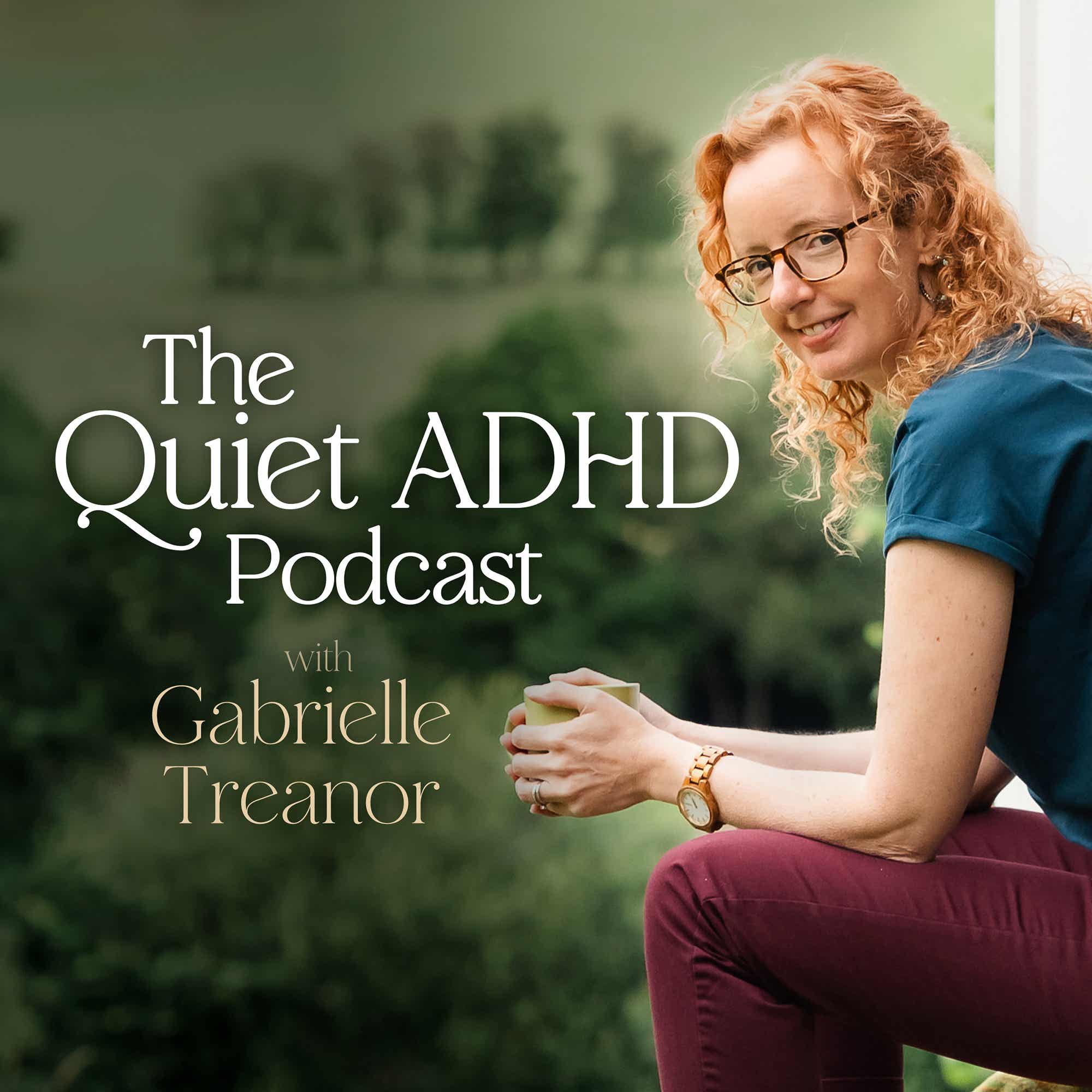
As introverted, sensitive women who spent most of our lives oblivious to our neurodivergence, as did everyone around us, we find it SO hard to believe or feel that we have permission, that it’s okay, that we’re allowed to do, say, be, ask for, or take what we want or need. After decades of taking on board the message that we need to live by others’ rules and expectations, that someone ‘better’ than us needs to signal their approval, we find it incredibly difficult to give ourselves permission. To allow ourselves to state what we need or want, what we like or don’t like. To show our enthusiasm and excitement. To take time for solitude and rest. To permit ourselves to move on from what no longer interests us. To say no when we want or need. To be ourselves. The result of defaulting to others for approval and permission means a lack of trust in ourselves as well as a cocktail of exhaustion, resentment and overwhelm. Learning that you can give yourself permission, that your own approval is the most important of all, is a tricky process but incredibly worthwhile. Because without it how can we hope to find the peace, ease and joy in our daily lives that we crave? In this episode I share five ways I give myself permission to do things in ways that work for me, even if it means not following society’s rules… If what I share in this podcast resonates with you and you’re looking for support go to gabrielletreanor.com. And if you’d like to share this or any of my podcast episodes on social media or with your friends or family that would help more quiet ADHDers to know they’re not alone too. Resources: * If what I’m sharing resonates with you I’d love to hear from you, email me [email protected]. * Read my posts about the experience of a midlife, late-discovered ADHD woman here. * Find out more about the Quiet ADHD Club and join here. * You can find more info including my coaching services on my website here.
This is a public episode. If you would like to discuss this with other subscribers or get access to bonus episodes, visit gabrielletreanor.substack.com
More from The Quiet ADHD Podcast
We lose internet connection for a brief moment near the start but it comes back so apologies for the glitch and keep listening! Welcome to a special season of the Quiet ADHD Podcast, where I’m in conversation with the authors who are speaking at Better Read Book Fest – the UK’s first literary festival dedicated entirely to wellbeing books – on Saturday 3 October in Abergavenny, south Wales. You can get your tickets while they’re available at betterreadbookfest.com. In this final, final episode of the special season we did things a little differently – I spoke live on Substack with Toni Jones founder of Shelf Help Club and author of You – the beginner’s guide. As someone who has also read more than 1,000 self-help books she knows a LOT about the subject! Toni will be hosting two author panel discussions at Better Read Book Fest so we had a chat about: * the authors and their books * what makes a good self-help book * how hearing authors speak about their writing in person lands differently * Toni’s relationship to the Festival authors and their books * what she’s looking forward to about Better Read Book Fest If what I share in this podcast resonates with you and you’re looking for support go to gabrielletreanor.com. And if you’d like to share this or any of my podcast episodes on social media or with your friends or family that would help more quiet ADHDers to know they’re not alone too. Thanks for listening, this podcast episode is public so feel free to share it.
After eight years the podcast has changed names! Pressing Pause has become the Quiet ADHD Podcast. In this episode for the special Better Read Book Fest season of the podcast I spoke with clinical psychologist Dr Emma Hepburn, author of The Anti-Burnout Book as well as several other books. We discussed: How burnout isn’t just about exhaustion and what else is involved Emma’s own experience of burnout How our ‘capacity cup’ explains that little things can tip you over into burnout Why women struggle to protect their own capacity How neurodivergent burnout can look and feel different Why burnout often comes from your best qualities, not your worst Emma’s rules for burnout recovery To hear more from Emma and all the authors at Better Read Book Fest get your ticket while they’re available at betterreadbookfest.com. If what I share in this podcast resonates with you and you’re looking for support go to gabrielletreanor.com. And if you’d like to share this or any of my podcast episodes on social media or with your friends or family that would help more quiet ADHDers to know they’re not alone too. Resources: * Connect with Dr Emma Hepburn https://dremmahepburn.com on Substack https://substack.com/@thepsychologymum and on Instagram https://www.instagram.com/thepsychologymum/ * Find out more about the Quiet ADHD Club and join here. * Get your Better Read Book Fest ticket here. Follow Better Read Book Fest on Instagram here. * If what I’m sharing resonates with you I’d love to hear from you, email me [email protected]. * Read my posts about the experience of a midlife, late-discovered ADHD woman here. * You can find more info including my coaching services on my website here.
After eight years the podcast has changed names! Pressing Pause has become the Quiet ADHD Podcast. For this episode in the special Better Read Book Fest season of the podcast my conversation is with Nadia Narain and Katia Narain Phillips, the authors of Glimmers. We explored: • What a ‘glimmer’ actually is and it’s connection to the nervous system • The misunderstanding that nervous system regulation means being calm • Allowing big and uncomfortable feelings • The warning about turning glimmer-hunting becoming something to strive for • Why noticing glimmers is a muscle you have to train, like exercise • The impact on the authors from the process of writing this book To hear more from Sula and all the authors at Better Read Book Fest get your ticket while they’re available at betterreadbookfest.com. If what I share in this podcast resonates with you and you’re looking for support go to gabrielletreanor.com. And if you’d like to share this or any of my podcast episodes on social media or with your friends or family that would help more quiet ADHDers to know they’re not alone too. Resources: * Connect with Nadia and Katia https://www.nadiaandkatia.com and on Instagram https://www.instagram.com/nadia.and.katia/ * Find out more about the Quiet ADHD Club and join here. * Get your Better Read Book Fest ticket here. Follow Better Read Book Fest on Instagram here. * If what I’m sharing resonates with you I’d love to hear from you, email me [email protected]. * Read my posts about the experience of a midlife, late-discovered ADHD woman here. * You can find more info including my coaching services on my website here.
After eight years the podcast has changed names! Pressing Pause has become the Quiet ADHD Podcast. In this episode in the special Better Read Book Fest season of the podcast I spoke with health psychologist Dr Sula Windgassen, who’s the author of It’s All in Your Body. We discussed: • How the book title challenges the phrase ‘it’s all in your mind’ • The health crisis that sent Sula down the path to her career and this book • Why some find it easy to notice signals from their body while others find it much harder • The meaning of ‘a threatened brain is a threatened body’ • The distinction between pain and suffering • What cotton wool has to do with experiencing real support • The connection between understanding our body and self-compassion To hear more from Sula and all the authors at Better Read Book Fest get your ticket while they’re available at betterreadbookfest.com. If what I share in this podcast resonates with you and you’re looking for support go to gabrielletreanor.com. And if you’d like to share this or any of my podcast episodes on social media or with your friends or family that would help more quiet ADHDers to know they’re not alone too. Resources: * Connect with Dr Sula Windgassen https://www.healthpsychologist.co.uk/ and on Instagram https://www.instagram.com/the_health_psychologist_ * Find out more about the Quiet ADHD Club and join here. * Get your Better Read Book Fest ticket here. Follow Better Read Book Fest on Instagram here. * If what I’m sharing resonates with you I’d love to hear from you, email me [email protected]. * Read my posts about the experience of a midlife, late-discovered ADHD woman here. * You can find more info including my coaching services on my website here.
After eight years the podcast has changed names! Pressing Pause has become the Quiet ADHD Podcast. For our conversation in this episode of the special Better Read Book Fest season of the podcast I spoke with NHS GP and menopause specialist, Dr Helen Wall who is the author of Menopause and ADHD. We discussed: • The medical blind spot which meant women were missed for so long • Why perimenopause and ADHD can be a “double whammy” on the brain • Women’s bigger biological and hormonal picture • “I’m just looking for an excuse” – the self-gaslighting so many women do before seeking help • How to prepare for a GP appointment that gets you heard • What HRT can (and can’t) do for the ADHD-perimenopause overlap • Formal diagnosis vs. self-identification and why you don’t have to wait to get support To hear more from Dr Helen and all the authors at Better Read Book Fest get your ticket while they’re available at betterreadbookfest.com. If what I share in this podcast resonates with you and you’re looking for support go to gabrielletreanor.com. And if you’d like to share this or any of my podcast episodes on social media or with your friends or family that would help more quiet ADHDers to know they’re not alone too. Resources: * Connect with Dr Helen Wall on her website https://drhelenwall.com Instagram https://www.instagram.com/doctorhelenwall/ and Facebook https://www.facebook.com/profile.php?id=61579042582916 * Find out more about the Quiet ADHD Club and join here. * Get your Better Read Book Fest ticket here. Follow Better Read Book Fest on Instagram here. * If what I’m sharing resonates with you I’d love to hear from you, email me [email protected]. * Read my posts about the experience of a midlife, late-discovered ADHD woman here. * You can find more info including my coaching services on my website here.