Show Notes
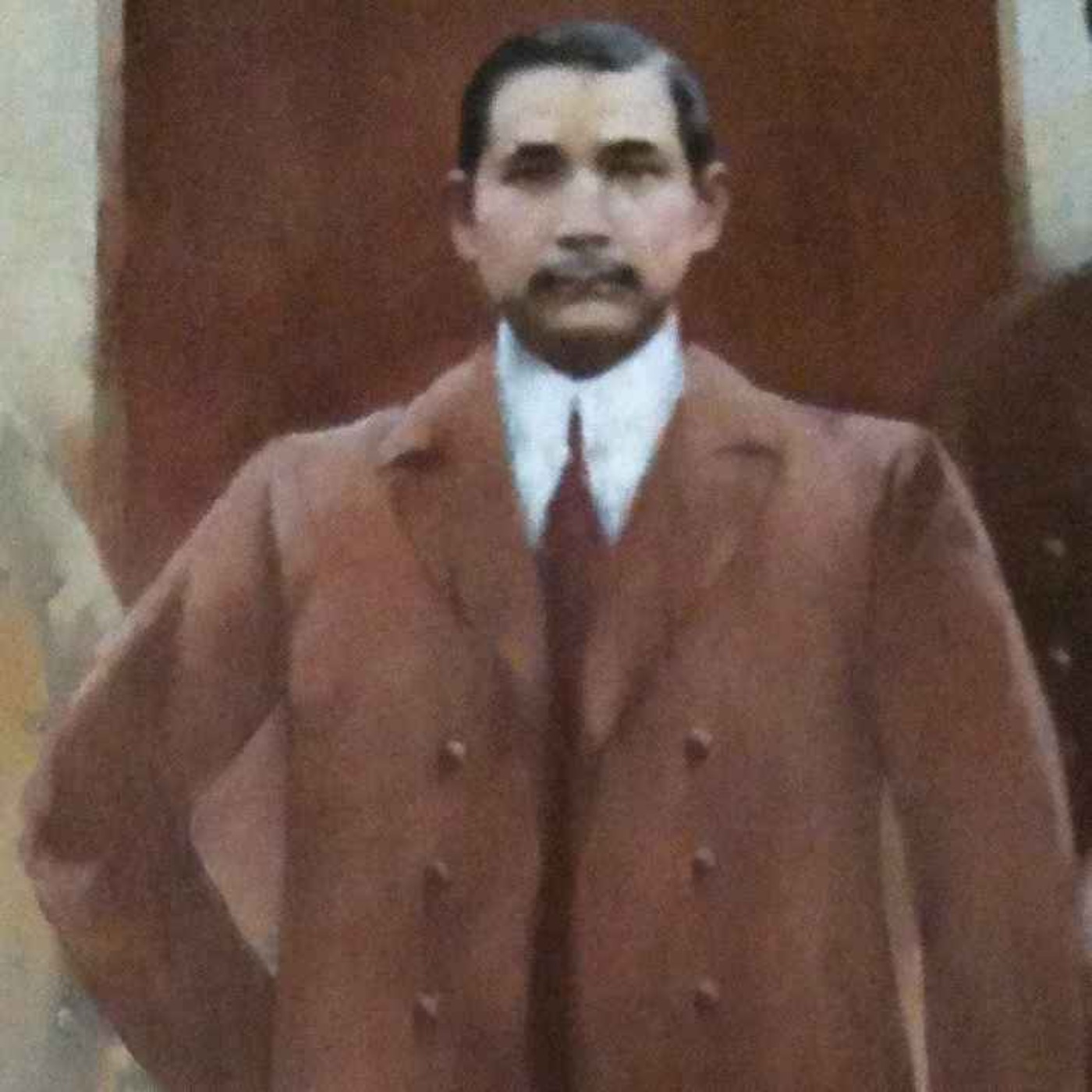
Sun Yat-sen leaves London and lives in Japan for 3 years. He gains Japanese supporters and is considered their Chinese Hero. They fund him, his efforts and newspapers, as well as arming guerillas in the Philippines. Kang Youwei considers Sun to be an uneducated bandit and they compete for followers. An uprising near Huizhou in Guangdong province starts well, but gets distracted and falls apart. Key allies die as a result. Sun has yet another failed uprising to his name. Can he stage a comeback?
Image: "Dr. Sun Yat-sen" by bfishadow is licensed under CC BY 2.0. Hosted on Acast. See acast.com/privacy for more information.
More from The Chinese Revolution
In 1938, after the Battle of Wuhan, Wang Jingwei left Chongqing and the Republic of China team in Chongqing for Hanoi. He negotiated with Japanese officials and eventually set up a puppet regime know as the Wang Jingwei Regime and also as the Reorganized National Government of the Republic of China. It was almost totally under Japanese domination, with little autonomy.
Japan controlled Taiwan as a colony from 1895 to 1945. During the Second Sino-Japanese War, Chinese language education and publications stopped and the Imperial Subject Movement tried to Japanize residents of Taiwan. The Baojia system was helpful in controlling the locals and confiscating grain during the war. The Taiwanese were mobilized to support the Japanese War Effort and experienced conscription, bombing and the Comfort Women system. The Cairo Declaration in 1943 announced that Taiwan, the Penghu Islands and Manchuria would be part of the Republic of China after Japan's defeat.
By the early 1940s, the Communists in Yan’an were feeling relatively secure. The Japanese advance in north China had not reached that area. The Sino-Japanese War and the United Front meant that Chiang Kai-shek’s main concern had been Japan and not the Communist Party. The Nationalist Government in China even funded the Communists in Yan’an.
For ten months in 1938, Hankou in Wuhan was the center of China's Second United Front and defense against the Japanese invasion.
The treasures of the National Palace Museum, originally the Forbidden City, followed China's path. They escaped the invading Japanese by leaving Beijing, first for Shanghai, then Nanjing and then followed southern, central and northern routes to Sichuan and safety. The Chinese government followed a similar path, as did countless Chinese individuals and families. Japanese bombers followed these refugees west, devastating China. But the Chinese people, Chinese government, Chinese culture and the antiquities from the National Palace Museum survived the Sino-Japanese War. This is the story of China's survival during the war.