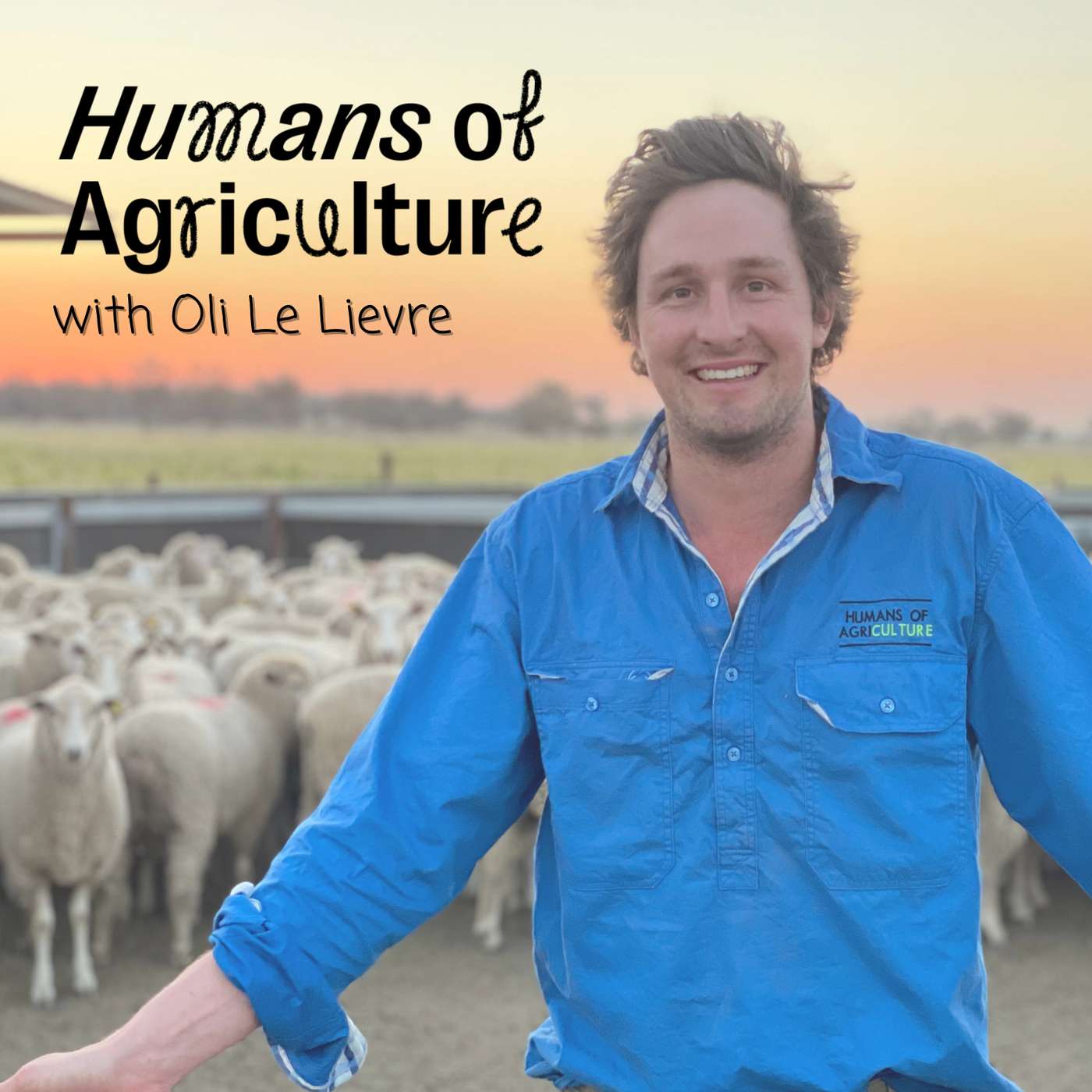
I'm Certainly Not One of Those Farmers Happy to Take a 3% Return - Stafford Ives-Heres (Rabobank Partner Ep)
Humans of AgricultureShow Notes
Fourth-generation beef producer Stafford Ives-Heres is building Shanford Park on Tasmania's north-west coast with one eye firmly on the generations still to come. From starting with 10 cattle and working cray boats to fund his growth, to succession, leasing land and questioning whether owning more country always makes commercial sense, Stafford shares how he's thinking about building a family business that's valuable enough to be taken on, not simply sold.
We chat about: Growing up at Shanford Park and being the last of four kids to become interested in farming Starting with 10 cattle as a teenager Working cray boats along Tasmania's remote west coast Using off-farm income to build livestock ownership Why the family moved from dairy into beef The beginnings of Tasmanian Seaweed Fertilisers Separating family businesses to make succession work Growing livestock numbers through ownership, leasing and share farming Why Stafford questions the need to own every hectare Building equity and optionality for the next generation Creating pathways into agriculture without owning land Why professional development and strong networks matter Chapters 00:00 The realities of regional connectivity 05:09 Meet Stafford Ives-Heres 06:17 Farming on Tasmania's north-west coast 10:21 Starting with 10 cattle 12:15 Leaving farming for the cray industry 16:24 Lessons from working at sea 18:01 From dairy farming to seaweed fertiliser 23:40 Separating businesses and navigating succession 25:36 Growing the beef business 28:29 Having children and thinking generations ahead 31:04 Playing the long game with land and scale 32:22 Professional development, equity and what's next 36:18 Leasing land and creating pathways into agriculture 39:05 Rabobank's Executive Development Program
More from Humans of Agriculture
In this episode of Humans of Agriculture, Oli Le Lievre sits down with Elle Moyle, a Zanda McDonald Award finalist, veterinarian and farmer with Pathfinder Angus in Western Victoria. Elle reflects on her path from working as a district vet, including international biosecurity work, to returning to the family farming business and building her own agricultural interests. A big part of the conversation is Elle’s experience with the Zanda McDonald Award. While she made the final three but didn’t win, the experience helped build her confidence, expand her network and create relationships that continue to shape her career. Elle also shares what she has learnt about building genuine professional relationships, the value of putting yourself forward for opportunities, and what is happening at Pathfinder Angus as the family business continues to grow.
Welcome to the Tom & Mick Show! This week, Tom & Mick sit down with Anna Speer, whose career has taken her from teaching and AgTech to leadership roles with AuctionsPlus, Australian Agricultural Company, Woolworths and now Stone Axe. Anna shares what she’s learnt about building strong teams, making commercial decisions and creating long-term value, while unpacking how Stone Axe is building a vertically integrated Wagyu business from conception through to consumption. In this episode: Anna’s unconventional career through agriculture and AgTech What private equity brings to an agricultural business How vertical integration can reduce exposure to market volatility Using 10-year herd modelling to make better decisions today Managing rising feed, fuel and labour costs Why building your own brand isn’t always the best strategy Wagyu genetics, premium markets and future growth Building teams and adapting your leadership to different people Chapters 00:00 Introduction and catching up with Anna Speer 03:01 Anna’s career through agriculture and AgTech 07:49 From Woolworths to Stone Axe 12:39 Private equity and commercial decision-making 19:29 Wagyu genetics and growing Stone Axe 26:14 Managing market cycles and supply chains 31:20 Herd modelling and planning 10 years ahead 36:00 Consumer trends and Wagyu’s premium market 40:04 Managing rising input costs 44:40 Branding, Angus and supply chain partnerships 50:17 Leadership and building better teams
What happens when you step outside your own patch and spend time learning from some of the best operators in agriculture?
Jack and Lisa Beattie didn’t set out to build a strawberry propagation business. After leaving Jack’s family dairy operation and trying several different ventures, an unexpected opportunity at Ouse in Tasmania changed their direction.
Michael Spencer has spent more than 30 years across livestock agency, corporate agriculture, cattle processing and pastoral operations, including roles with Elders, AACo and Bindaree Beef before helping build Adcock Partners. In this episode of The Tom & Mick Show, Michael joins Tom and Mick to unpack what good livestock agency actually looks like, why Adcock Partners deliberately operates under the radar, and what he is seeing across cattle markets from northern Australia through to the eastern states. They discuss: Michael’s unconventional path through Elders, AACo, Bindaree Beef and into Adcock Partners Why relationships and people remain the foundation of a strong agency business Building a business around agility rather than corporate complexity Why Adcock Partners has deliberately stayed relatively quiet and selective How livestock agency has changed over the past 30 years What good service looks like when clients span enormous distances Seasonal conditions across Queensland and the Northern Territory Why producer confidence can move cattle prices quickly The relationship between live export and domestic cattle markets Why live export remains critical to northern Australia and Indonesia What Michael expects from cattle markets heading through spring and into 2027