Show Notes
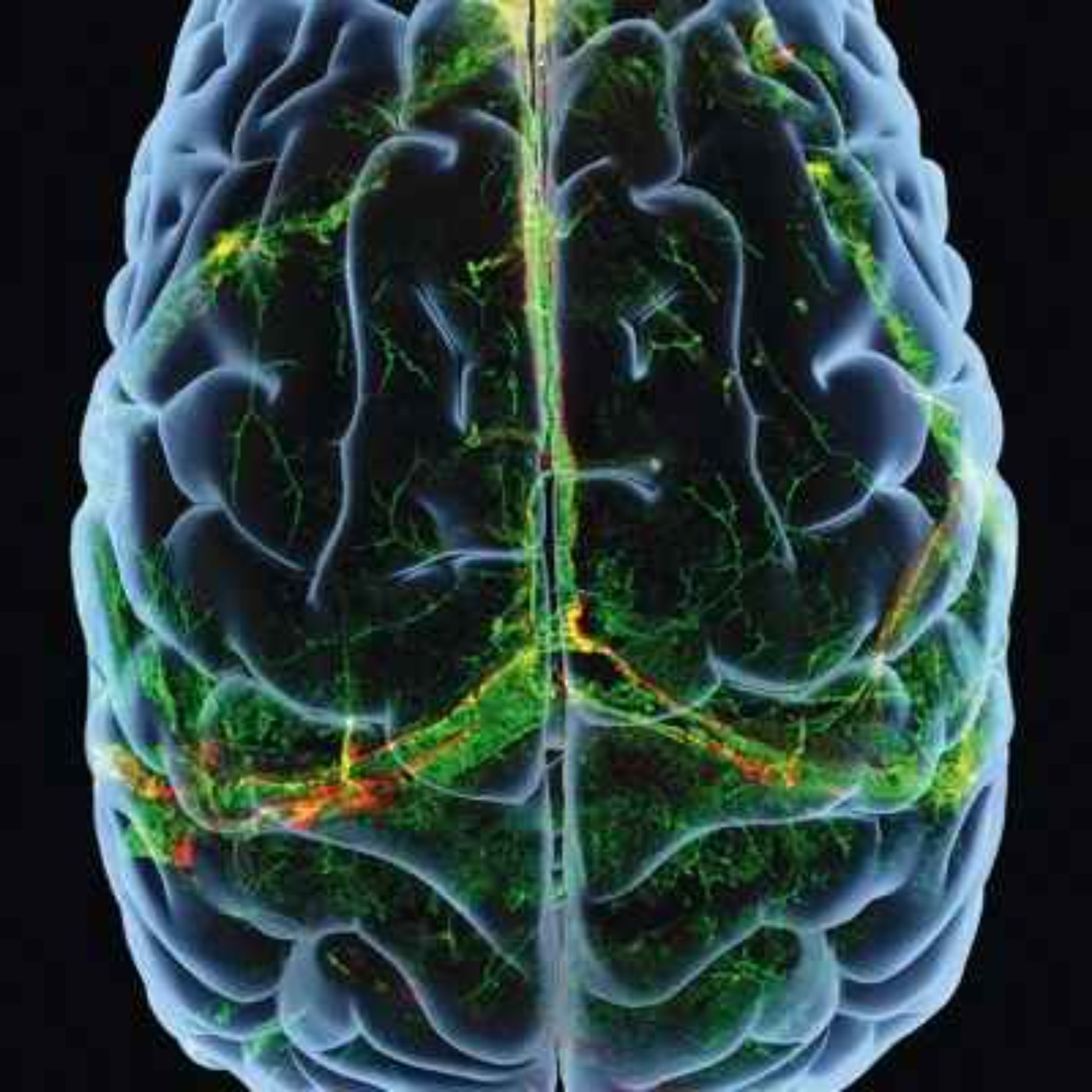
In the past, there had been a school of thought that looked at evolution linearly — that is, you could in theory draw a line among mammals as they evolved, and so, say, rodent brains would basically be less evolved primate brains. That turns out not to be true; evolution is much more like a branching tree, and each branch then goes on to develop independently, sometimes in parallel. Some groups of animals such as primates can evolve features of their brains that other groups simply don’t have. And now, with advanced DNA sequencing, scientists have been able to determine which groups of mammals are more closely related than others, and so they’ve figured out that, for instance, tree shrews and flying lemurs are more closely related to primates than rodents are. Here, we speak with Dr. Todd M. Preuss, professor of pathology at Emory University and an associate research professor at the Yerkes National Primate Research Center. Dr. Preuss is co-author with Steven Wise of a review article in Neuropsychopharmacology called “Evolution of prefrontal cortex.” Listen in! Hosted on Acast. See acast.com/privacy for more information.
More from NPP BrainPod
Problematic alcohol use frequently occurs in conjunction with anxiety disorders. Between 20 to 40 percent of individuals with anxiety disorders are also diagnosed with alcohol use disorder. Anxiety can lead people to use alcohol to self-medicate, and disordered alcohol use can cause increased anxiety for people when they go through withdrawal.
Insomnia and depression are two serious and debilitating conditions. Insomnia on its own is linked to an increase in suicide risk, and insomnia can also exacerbate the severity of depression.
There are a number of theories that have been studied to try to explain addiction and drug use escalation, and thus to also create animal models of that behavior that can then serve to help develop treatments. One theory for escalation is that people feel worse and worse over time and so they take the drug to feel better. Another is that they just don’t get as much of a reaction to the drug and so need more and more of it to get the euphoria. And then there’s something called incentive salience, which is a craving for the drug.
Oxytocin has become known for having anti-anxiety and affiliative behavioral effects. That’s why clinicians and researchers are excited about using oxytocin as a potential therapeutic.
Cannabis, which is increasingly legally available, both for therapeutic and recreational use, is now one of the most commonly used drugs worldwide. Of people who have ever used cannabis, studies vary, but they estimate that about 10-25 percent of people who use cannabis go on to develop cannabis use disorder.