Show Notes
The space race is on but scientists are worried for our ozone. As this new frontier looks to expand with new investors, how should the environment sector respond? Plus, an unprecedented recommendation from the Environment Agency concerning PFAS. Listen to the ECO Chamber to find out more.
Once only the domain of US and Russian governments, the cost of launching things into space has come down, enabling more and more rockets and satellites to enter space.
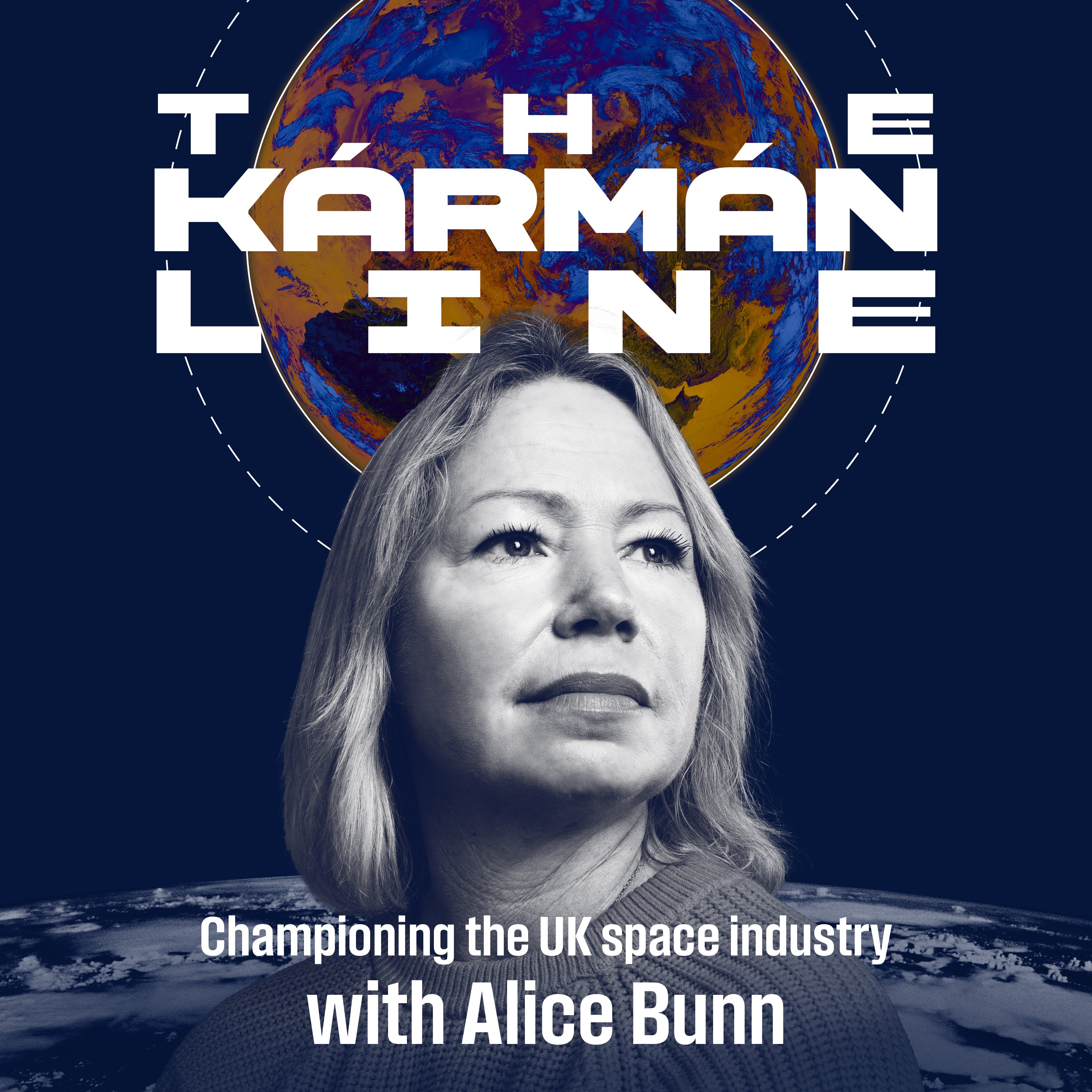
However, NASA has warned that the growth of space travel could cause damage to the ozone layer. Dr Alice Bunn, the UK Space Agency’s former international director, joins the team this week to discuss the fine line to be treaded.
PLUS: The Marine Management Organisation has hired a new chief after a two-year search; South West Water has pleaded guilty to offences related to the supply of water “unfit for human consumption”; and the UK has legislated a lead shot ban – the first chemicals restriction since Brexit.
The ECO Chamber is brought to you by journalists at ENDS Report. Hosted on Acast. See acast.com/privacy for more information.
More from The Kármán Line
How does winning the UK Space Agency's Active Debris Removal (UK ADR) contract position ClearSpace to capture defunct satellites? How do their multi-arm robotics and advanced machine-learning algorithms match up to the task? How does active debris removal establish a long-term national capability and commercial service layer in space? And what does a transition from R&D grants to major anchor contracts mean for hyper-scaling UK In-Orbit Servicing, Assembly, and Manufacturing (ISAM)?
How does Metalysis strip oxygen as a captured gas from metal oxides and convert the oxide into pure metal alloys? How will this help us to supply life support for lunar bases or create rocket propellant for deep-space refuelling? Once the oxygen is stripped away how can the remaining metal alloys be repurposed for 3D-printed infrastructure, landing pads or road surfaces? And how can Metalysis’ research help regolith inks to print electronic components directly in space?
Does sub-centimetre, non-trackable space debris pose an existential threat to satellites and orbital infrastructure? How can ultra-lightweight "black box" sensors turn a spacecraft's surface into an impact detector to diagnose anomalies? What do satellite operators need to unlock affordable, named-peril collision insurance through Lloyd's of London? And how can a "neighbourhood watch" network of sensor-equipped satellites build live space domain awareness to protect the space economy?
What is the true balance between human spaceflight and robotic exploration when it comes to science, inspiration, and decision-making capabilities? How is space transitioning from a niche frontier to an everyday commercial workplace? What role do regulatory frameworks, such as the United Nations, the Artemis Accords, and the Astra Carta, play in keeping orbit and the lunar surface safe and sustainable? And how can the UK Government act as an "anchor customer" to bridge the commercial "valley of death" for domestic space startups?
How can a malleable, plant-based bio-leather grown off-grid in Scotland transform under extreme heat into an RF-transparent, rock-like ceramic shield? What does Draconite mean for the economics of spacecraft re-entry and thermal protection systems? How does self-taught material science disrupt traditional "old space" gatekeeping and university lab paradigms? What are the dual-use applications of biomimetic thermal shields across space re-entry, defence satellite protection, and terrestrial wildfire mitigation?