Show Notes
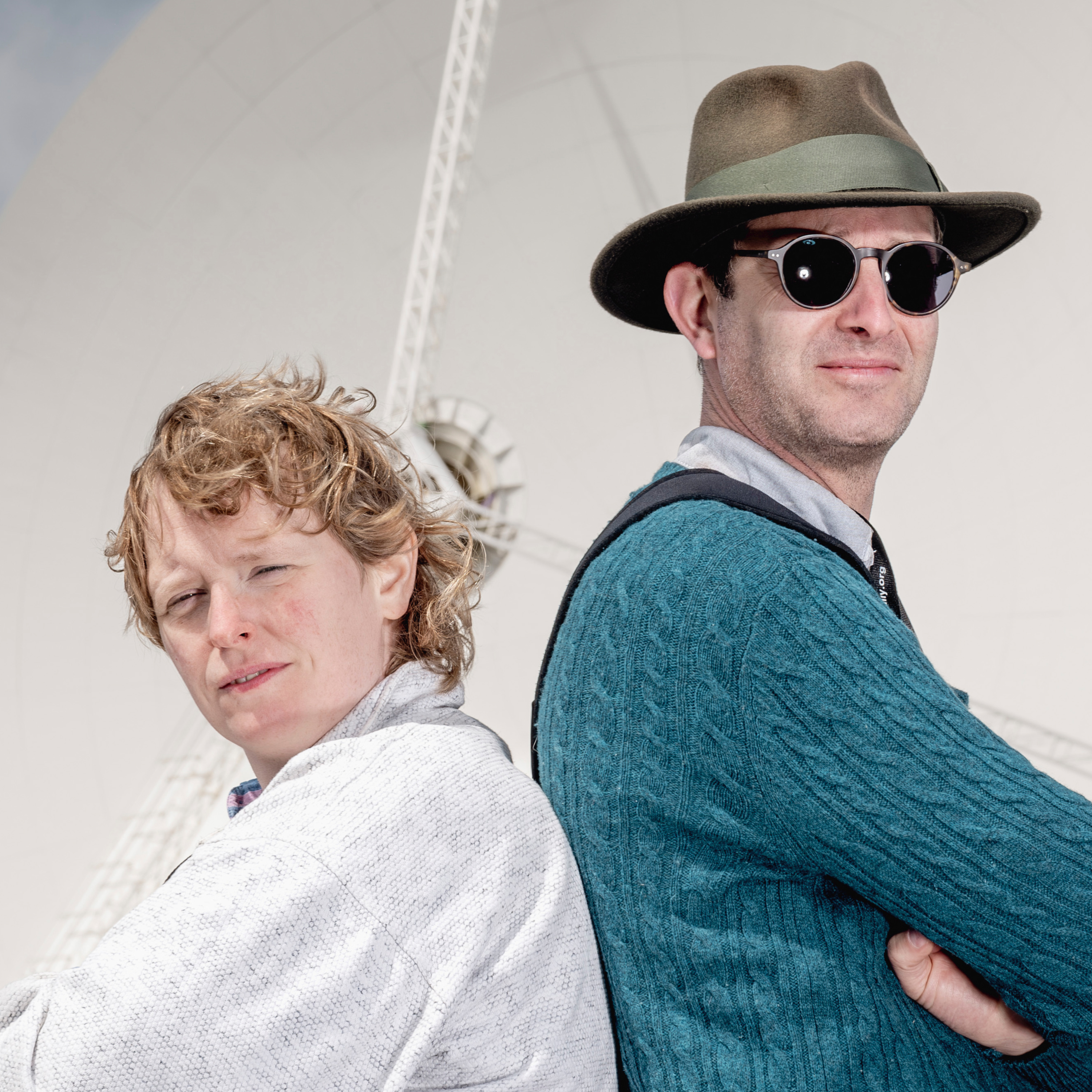
Jesse and Clare discuss what HE adds to photography. In discussion with Colin Pantall and Laura Hynd, both of whom run their own distinctive non-accredited courses, they explore what HE adds and perhaps takes away from learning photography.
https://www.instagram.com/laura_hynd/
https://www.instagram.com/colinpantallteaching
With the shift from an industrial-based to a knowledge-based economy in the late 1990s and early 2000s, coupled with New Labour’s expansion of higher education to meet the demands of this new economic model, there was a significant surge in students pursuing photography at the university level. This trend was propelled not only by technological advancements but also by the rapid growth of the creative industries leading to a departure from the traditional Further Education and vocational college routes for photography training.
In more recent times, there has been a rise in non-academic courses and workshops offering training across a diverse range of topics, from creative processes to portfolio development and professional networking. These courses vary in length and demand different levels of engagement from participants.
Often offered by individual professionals or independent organizations, these courses allow knowledge sharing without the bureaucratic constraints of universities—such as fixed curricula, academic calendars, and predefined learning outcomes.
Do these courses provide both participants and facilitators with a more holistic, flexible opportunity to teach and learn about the craft and profession of photography?
Moreover, could these alternative training paths be seen as viable substitutes for university-based photography education? Or should they be regarded as complementary, addressing areas that universities traditionally place less emphasis on, such as professional practice?
There are ongoing debates about the tensions between academic and professional training in creative fields. The rise—or perhaps, the growing visibility—of non-academic training suggests a potential crisis in photography education, where academicization and professionalisation appear to be on a collision course.
But how has this increasing academicization impacted the medium of photography?
What has it contributed, and what has been lost?
How has the ‘academic turn’ shaped or challenged our approach to making, understanding, and using the camera?
PhotoPhone theme © Michael James @MichaelJamesUK
Photo © Melane Uhkoette @Mel.MelanieUhkoetter
More from PhotoPhone
Jesse and Clare talk to Linda Jarrett and Justin Quinnell about their creative practices, both of which involve alternative processes and working with communities. Justin Quinnell is an artist and educator based in Bristol and Linda Jarrett is an artist based in New Zealand. They talk about the value of analogue and alternative photographic processes and the greater sense of community that these can come with. They discuss how alternative processes can communicate ideas to new audiences and are remarkable tools for learning. See their work, or connect via: @justin_quinnell https://www.pinholephotography.org/
Join by Dr. Catarina Fontoura, Course Leader for BA(Hons) Photography (online) at Falmouth University, Jesse and Clare discuss the challenges of teaching a subject that is steeped in politics, in an unprecedented time of polarised viewpoints.
Clare and Jesse explore the idea of graduate “opportunities” such as prizes, awards and other ways to get your work noticed. They ask what best practice looks like, in terms of organisations running such schemes, and to what extent such things exploit new graduates trying to get started in the creative industries. Helping them navigate this are Siân Addicott, Director of Ffotogallery - the photography development agency for Wales, and Philippa James - photographer, Associate Lecturer at Oxford Brookes, and graduate of the MA Photography programme at Falmouth University. Siân mentions Ffotogallery’s annual ‘Ffocws’ exhibition and mentorship scheme for recent graduates as well as those who are entering the industry through other routes. Philippa talks about various activities, including her experience as a finalist for the National Portrait Gallery’s Taylor Wessing Portrait Prize. https://www.ffotogallery.org https://philippajames.net
Jesse and Clare talk to Michelle Sank and Geoffrey Bird, both educators and photographers, about their experiences of returning to study photography at postgraduate level as 'mature students'. Michelle is a celebrated documentary photographer and environmental portraitist, and Lecturer on the MA Photography (online) programme at Falmouth University. Geoffrey Bird is a photographer and teacher at the Vancouver British Columbia Institute of Technology, and graduate of the Falmouth MA. The episode discusses the challenges that getting back to study after an extended period of time can bring, and also asks what maturity brings to a cohort of students, and a creative practice more generally. @Sank_Michelle @Geoffrey_Brid