Show Notes
Episode 107 - The Neurological Examination
A horse can pass a lameness assessment and still show signs that warrant a neurological examination.
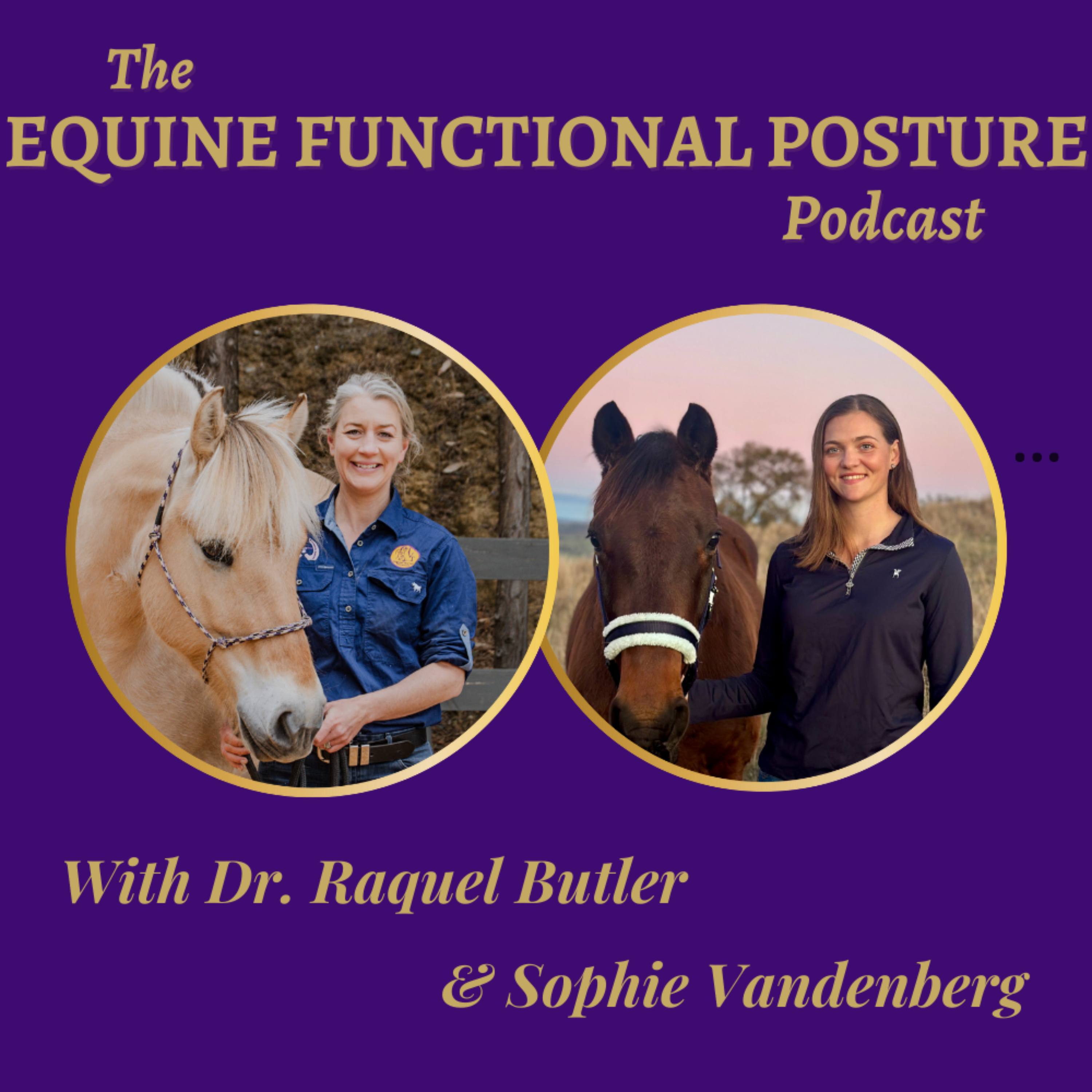
In this episode, Dr. Raquel Butler and Sophie Vandenberg explain how an equine neurological examination differs from a musculoskeletal assessment. They explore the tests veterinarians use to assess sensation, coordination, balance, limb awareness and nervous-system function, alongside signs that may indicate the need for further investigation.
We discuss:
Why a neurological examination is different from a lameness or musculoskeletal assessment
How cranial nerves, skin sensitivity and limb placement are assessed
What stability tests can reveal while the horse is standing and moving
Why head elevation, tight circles, slopes and obstacles challenge coordination
Signs to observe including stumbling, falling, unusual limb placement and unpredictable behaviour
Why results must be considered together and rider and practitioner safety must come first
To learn more about Dr Raquel Butler visit:
Facebook: Integrated Veterinary Therapeutics
Website: https://www.integratedvettherapeutics.com.au
To learn more about Sophie Vandenberg:
Facebook: Equine Posturelate - Sophie Vandenberg
Have any questions or topics you'd love us to cover?
Email us at: [email protected]
More from The Equine Functional Posture Podcast
Understanding Your Horse: The Value of Functional Posture Education
Episode 107 - Pre-Purchase Exams: Are They Worth It?
Episode 105 - Post Colic Surgery Rehabilitation
Sometimes the most powerful change comes from doing less, waiting longer and observing more carefully.
Episode 103 - Guest: Sharon May Davis - Grading ECVM (Equine Complex Vertebral Malformation