Show Notes
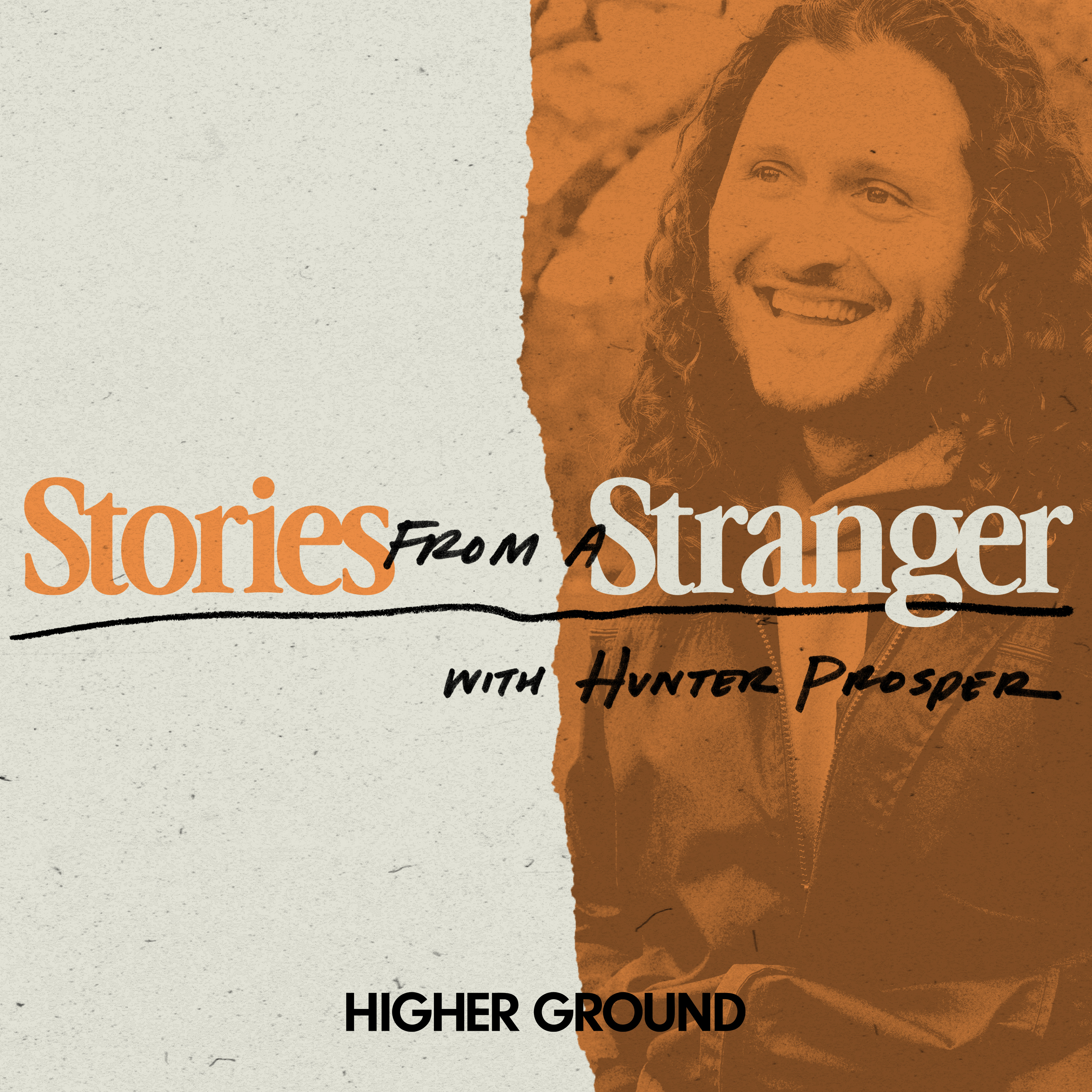
Hunter talks to three people who were raised by parents suffering from addiction, and how that changed them.
Meet this episode’s strangers:
-Troy was raised from age two to seventeen by his stepdad, who is an ex-NFL player. Troy looked up to him, but as his stepdad’s alcoholism spiraled out of control, he drifted out of Troy’s life. Troy describes watching him slide into depression and isolation, and the heartbreak he felt discovering that his “superhero” stepdad was deeply flawed. Despite long absences, Troy continues to reach out to his stepfather and hopes one day he will find the help he needs.
-Taylor’s father fell into drug addiction when she was 10 years old. The addiction changed him drastically. He became abusive and struggled to maintain a job and home, forcing the family to become unhoused. She describes celebrating her 16th birthday living in a shelter. Now, as an adult, Taylor is working to heal her relationships with her mother and her father, who has found sobriety.
-Jeffery describes growing up with a mother who became addicted to opioids. Even after repeatedly confronting her about her addiction, she continued to use. He describes living in fear that she would die, and the anticipatory grief he felt. Sadly his fears were realized when she passed away from an overdose. Even through all the pain, Jeffery recognizes that his traumatic experience shaped him into the man he is today.
Chapters: 00:00:00 The impact of addiction on children 00:03:30 Troy - witnessing my dad's alcoholism and depression 00:07:15 Learning lessons from a parent's mistakes 00:11:00 Overcoming self-sabotage and finding peace 00:14:45 Taylor - Growing up in an unstable home environment 00:18:30 Navigating teenage homelessness and hardship 00:22:15 Breaking generational cycles of family trauma 00:26:00 Rebuilding self-worth and emotional stability 00:29:45 Jeffrey - Coping with my mother's death and complex grief 00:33:30 Healing from emotional neglect and abandonment 00:37:15 Processing the slow loss of an addicted parent 00:41:00 Choosing forgiveness and reparenting yourself
Topics: Growing up with parental addiction Overcoming childhood trauma & grief Breaking generational toxic cycles Reparenting your inner child safety Navigating parent alcoholism & drugs Moving past self sabotage to peace Coping with parental abandonment Healing emotional unpredictability Overcoming teen homelessness strain Choosing forgiveness & self grace
FOLLOW THE SHOW ►Instagram: https://www.instagram.com/storiesfromastrangerpod ►Threads: https://www.threads.com/@storiesfromastrangerpod ►Facebook: https://www.facebook.com/storiesfromastrangerpodcast
FOLLOW HUNTER PROSPER ►Instagram: https://www.instagram.com/hunter_prosper/ ►TikTok: https://www.tiktok.com/@hunterprosper See Privacy Policy at https://art19.com/privacy and California Privacy Notice at https://art19.com/privacy#do-not-sell-my-info.
More from Stories from a Stranger
Hunter talks to three strangers about their mental health journey.
This week Hunter talks to three strangers about meeting their perfect partners.
This week Hunter speaks with three strangers who are struggling with chronic illness.
Hunter speaks to three strangers with one thing in common: they’re adopted.
-Jeremy is a Canadian actor and comedian who put his career on hold to move to New York for his second husband, Zach, whom he met on Tinder. He describes Zach as the greatest love of his life, noting they met briefly on the app before transitioning to a more old-fashioned phone call and then a first date over wine on a rooftop. They married shortly before the pandemic, and Jeremy attributes the end of their marriage largely to the extreme pressures of that period. This was Jeremy's second divorce, and he acknowledges the embarrassment of going through it again, even making it part of his standup comedy material. After the split, he found himself in a foreign country without a strong social network, having paused a flourishing acting career in Canada to be in the relationship. Key contributions from Jeremy include his advice on navigating grief and loss by actively filling the emotional and mental space left behind with positive activities and experiences, as well as his insight that only the individual can do the work of rebuilding themselves after heartbreak, symbolized by a tattoo he got of an anatomical heart half made of bricks.