Show Notes
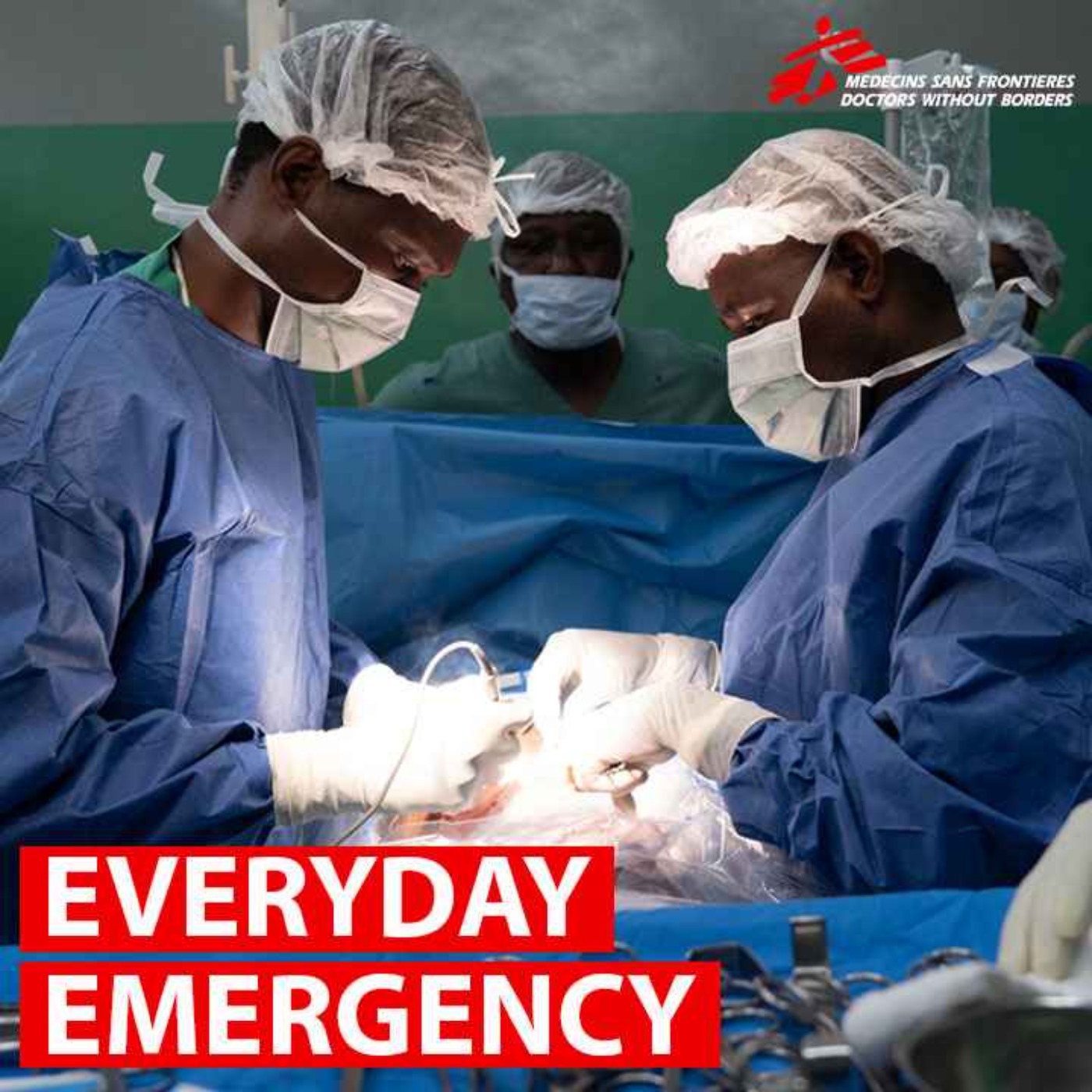
Last year in Gaza, MSF assisted in one in three births, supported one in five hospital beds, and provided 800,000 medical consultations. This year, however, our teams have faced the prospect that our operations in the Strip could be forced to close. In this episode, we talk to nursing activity manager Steve Davidson and field communications officer Nour Alsaqqa: two people with firsthand knowledge of MSF’s work in Gaza, the life-saving impact it’s having, and what would be lost if it couldn’t continue.
Presented by Amber Dowell Edited by Sandy McKee Associate producer: Kate Lee Series producer: Mark Lankester Photo: Motassem Abu Aser Hosted on Acast. See acast.com/privacy for more information.
More from Everyday Emergency
The word healing can mean different things.
The current outbreak of Ebola disease in the Democratic Republic of the Congo (DRC) has become the third largest on record. It is also the fastest-growing.
Right now, Médecins Sans Frontières / Doctors Without Borders (MSF) teams are working to provide life-saving care in crises around the world. But what about the lives that can’t be saved? Ciara Flood is an MSF nurse with a special interest in palliative care. She joins us today to talk about reducing suffering, crossing cultures, and putting patients first.
Every May in London, Médecins Sans Frontières / Doctors Without Borders (MSF) hosts Scientific Days, an annual innovation conference. The event brings together medical and humanitarian experts from around the world to share the research they have been doing into the conditions and crises that they face every day. In this episode of Everyday Emergency, we spoke to three specialists about their research and how it could help patients. From a game-changing antivenom to new tools in malaria prevention and the science of documenting traumatic injuries in Gaza, this is a behind-the-scenes look at life-saving innovation.
April marked a sobering milestone: the three-year anniversary of the ongoing war in Sudan. The scale of the crisis has become enormous, with 33 million people now in need of humanitarian aid – more than the entire population of Australia.