Show Notes
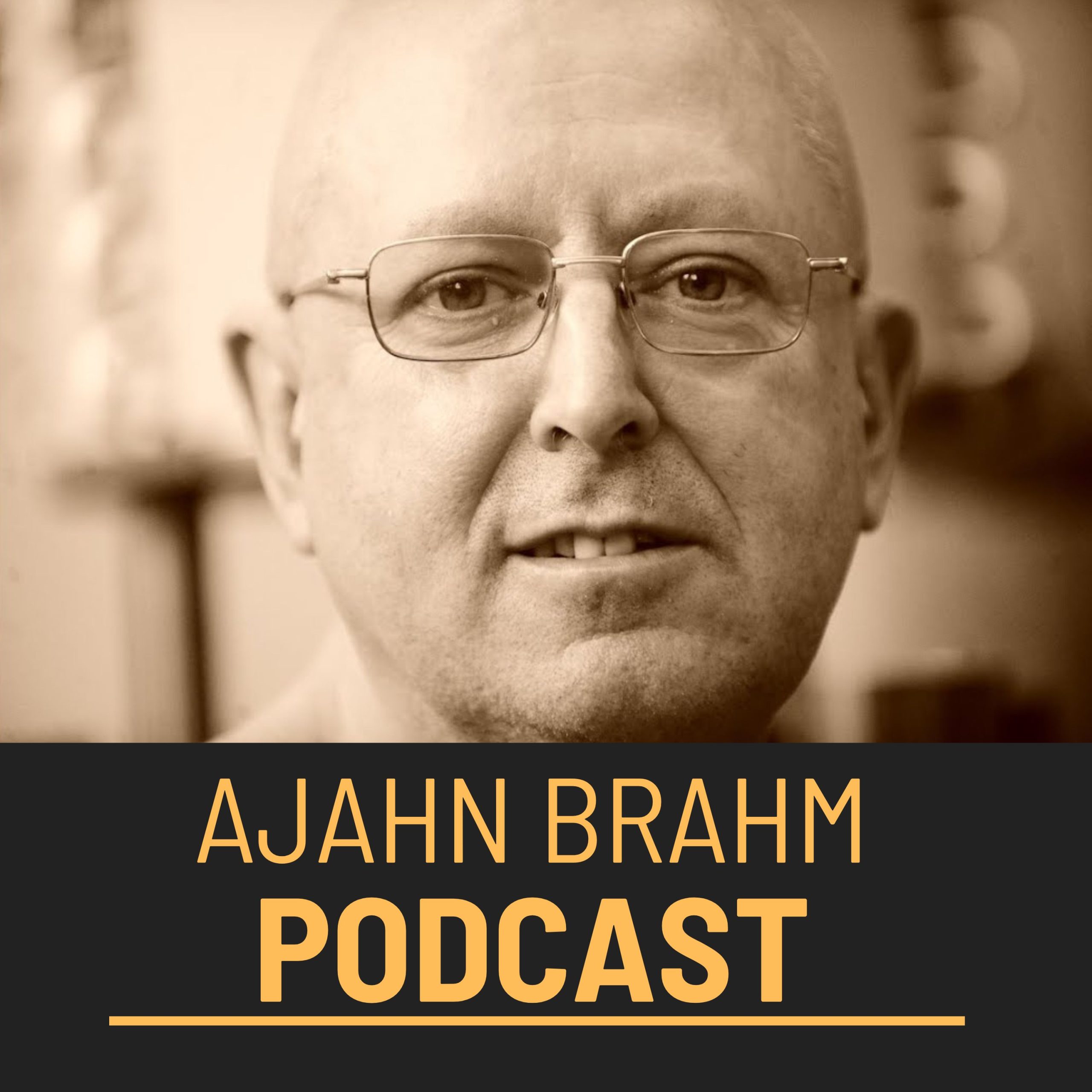
Gossip can cause misunderstandings and problems. People like to spread bad rumors because we live in a competitive society and it makes them feel superior. Instead, we should gossip about positive and uplifting things. This talk discusses the negative effects of gossip and negative speech in society. Ajahn Brahm argues that gossip and negative speech are products of our competitive and critical society, where people are constantly putting others down in order to elevate themselves. The speaker suggests that instead of spreading gossip and negative news, people should spread positive news and praise others, as this can inspire and encourage people to be better. Ajahn Brahm also suggests that our education system should focus on rewarding cooperation instead of just competition, as this will better. It is important to practice being kind and mindful in our speech, as negative speech can cause harm to others. — This dhamma talk was originally recorded in 30th May 2008. It has now been remastered and published by the Everyday Dhamma Network, and will be of interest to his many fans. These talks by Ajahn Brahm have been recorded and made available for free distribution by the Buddhist Society of Western Australia under the Creative Commons licence. You can support the Buddhist Society of Western Australia by pledging your support via their Ko-fi page.
More from Ajahn Brahm Podcast
Ajahn Brahm considers the question: Does life suck? — This dhamma talk was originally recorded in 1st May 2009. It has now been remastered and published by the Everyday Dhamma Network, and will be of interest to his many fans. These talks by Ajahn Brahm have been recorded and made available for free distribution by the Buddhist Society of Western Australia under the Creative Commons licence. You can support the Buddhist Society of Western Australia by pledging your support via their Ko-fi page.
This guided meditation by Ajahn Brahm was originally recorded in 22nd May 2010. It includes a talk about some aspect of meditation followed by a 45 minute guided meditation. This guided meditation has been remastered and published by the Everyday Dhamma Network, and will be of interest to people who have started meditation but are seeking guidance to take it deeper. These talks by Ajahn Brahm have been recorded and made available for free distribution by the Buddhist Society of Western Australia under the Creative Commons licence. You can support the Buddhist Society of Western Australia by pledging your support via their Ko-fi page.
Ajahn Brahm explains rebirth through the metaphor of mangoes: each life is different, yet connected by cause and effect, with deep character traits, habits, and spiritual qualities carrying forward rather than memories or physical abilities. Kindness, generosity, forgiveness, peace, and wisdom are developed through repeated practice and bring happiness now while shaping future lives, whereas anger, attachment, and negativity can perpetuate suffering. He emphasizes that our environment and choices condition the mind, encouraging listeners to cultivate positive influences. — This dhamma talk was originally recorded in 3rd April 2009. It has now been remastered and published by the Everyday Dhamma Network, and will be of interest to his many fans. These talks by Ajahn Brahm have been recorded and made available for free distribution by the Buddhist Society of Western Australia under the Creative Commons licence. You can support the Buddhist Society of Western Australia by pledging your support via their Ko-fi page.
Ajahn Brahm skillfully answers the question posed by a member of the audience: Is Buddhism a Religion? — This dhamma talk was originally recorded in 27th March 2009. It has now been remastered and published by the Everyday Dhamma Network, and will be of interest to his many fans. These talks by Ajahn Brahm have been recorded and made available for free distribution by the Buddhist Society of Western Australia under the Creative Commons licence. You can support the Buddhist Society of Western Australia by pledging your support via their Ko-fi page.
In this talk, Ajahn Brahm explains the significance of the rituals in Buddhism, such as bowing and chanting. He describes why these rituals are important and what they represent, such as virtue, peace, compassion, and wisdom. He also discusses how these rituals can help individuals to cultivate these qualities in their own lives. This talk is about the traditions and rituals of Buddhism, including bowing to statues of the Buddha and the practice of chanting. Ajahn Brahm explains the symbolism behind these practices and offers examples of how they can inspire and bring peace and compassion to our lives. — This dhamma talk was originally recorded in 20th March 2009. It has now been remastered and published by the Everyday Dhamma Network, and will be of interest to his many fans. These talks by Ajahn Brahm have been recorded and made available for free distribution by the Buddhist Society of Western Australia under the Creative Commons licence. You can support the Buddhist Society of Western Australia by pledging your support via their Ko-fi page.