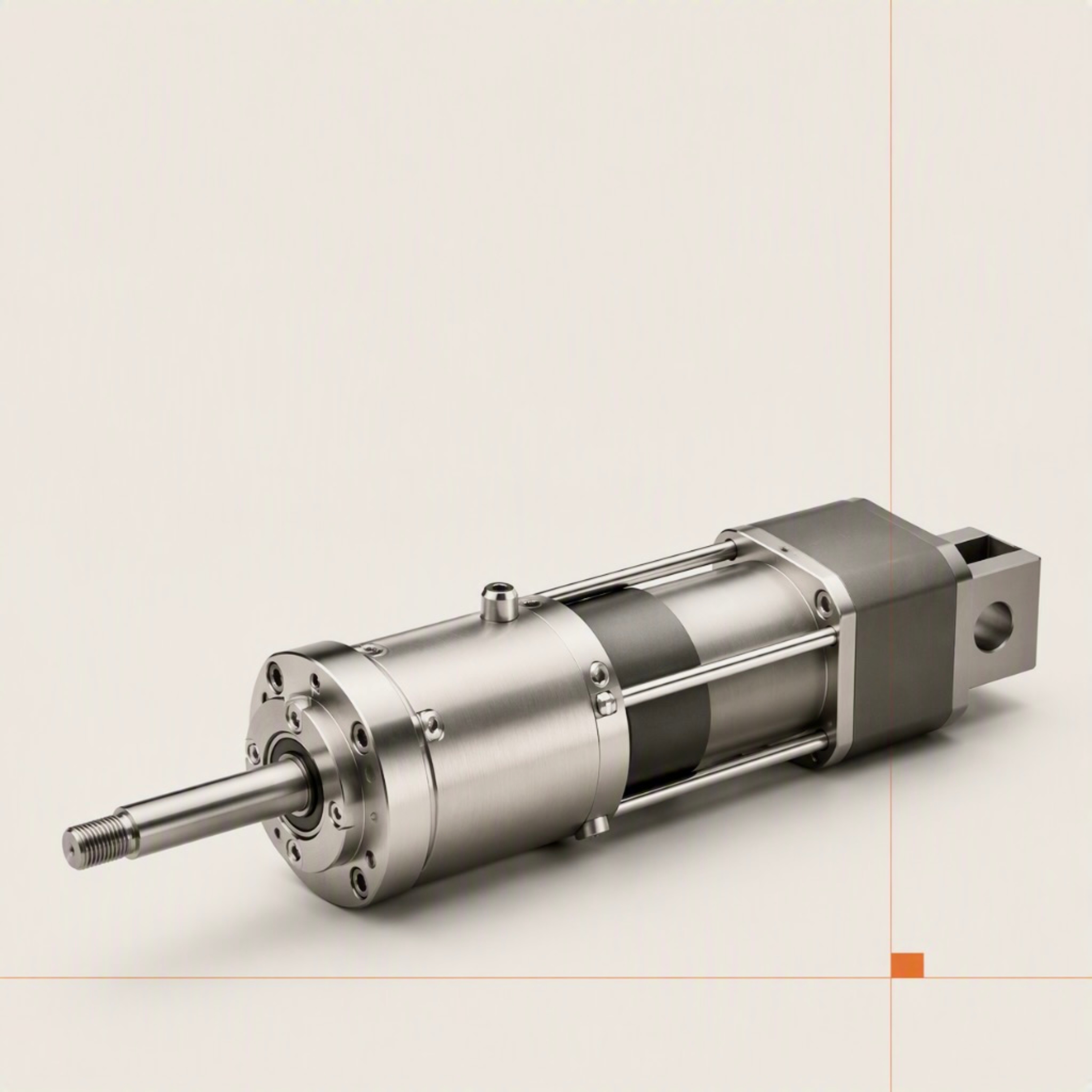
When Preventive Maintenance Stops Preventing and Starts Repeating | The overlooked risk of maintenance intervals that outlive the evidence behind them.
Engineering the Intelligent EnterpriseShow Notes
Most maintenance conversations begin with a familiar concern:Are we doing enough maintenance?
This episode explores a different question:Are we still performing the right maintenance at the right interval for the right reason?
Across industry, preventive maintenance schedules are often created with sound engineering judgment and practical experience.
Yet operating environments rarely remain static.
Production demands evolve. Duty cycles change. Assets age differently. Failure histories accumulate. New data becomes available.
The maintenance schedule frequently remains exactly where it started.
Over time, a recurring task can acquire a form of organisational authority.
Not necessarily because it is continuously validated, but because it is continuously repeated.
In this episode, we examine the distinction between reactive, preventive, and predictive maintenance using frameworks discussed by the National Institute of Standards and Technology (NIST), and explore a practical approach to reviewing maintenance intervals through evidence rather than familiarity.
Because reliability is not simply about performing maintenance.
It is about understanding whether the assumptions behind that maintenance still reflect operational reality.
--------------------
Why maintenance intervals deserve the same scrutiny as the equipment they govern The differences between reactive, preventive, and predictive maintenance How "maintenance interval drift" can occur even when schedules never change The relationship between operating conditions, failure history, and maintenance frequency Why evidence and habit are not always the same thing A practical interval-review exercise that can be applied immediately
--------------------
How often has it been performed? How often were no defects found? What does actual failure history suggest? Have operating conditions changed? Does the original rationale still exist?
--------------------
Plant Leaders Maintenance Managers Reliability Engineers Operations Leaders Asset Management Professionals Continuous Improvement Practitioners Operational and Industrial Executives
--------------------
Stay Tuned… Regards, Top Voice
Maido & Kon'nichiwa min'na! 👶🏻🧑🏻🦱👩🏻🦳 Wie Geht's guys? Mir geht's gut!!! ✌️🤘🙌
#Maintenance #Reliability #Manufacturing #Operations #AssetManagement
More from Engineering the Intelligent Enterprise
The presentation was beautiful. The premise was untested.
Indifference is easy to spot in a poorly made product. The harder failures to diagnose are the ones caused by devotion.
On the quiet agreement between those who produce numbers and those who read them.
The room achieved consensus. The project achieved nothing. — Why do initiatives that receive unanimous approval on Tuesday afternoon stall completely by Friday morning?