Show Notes
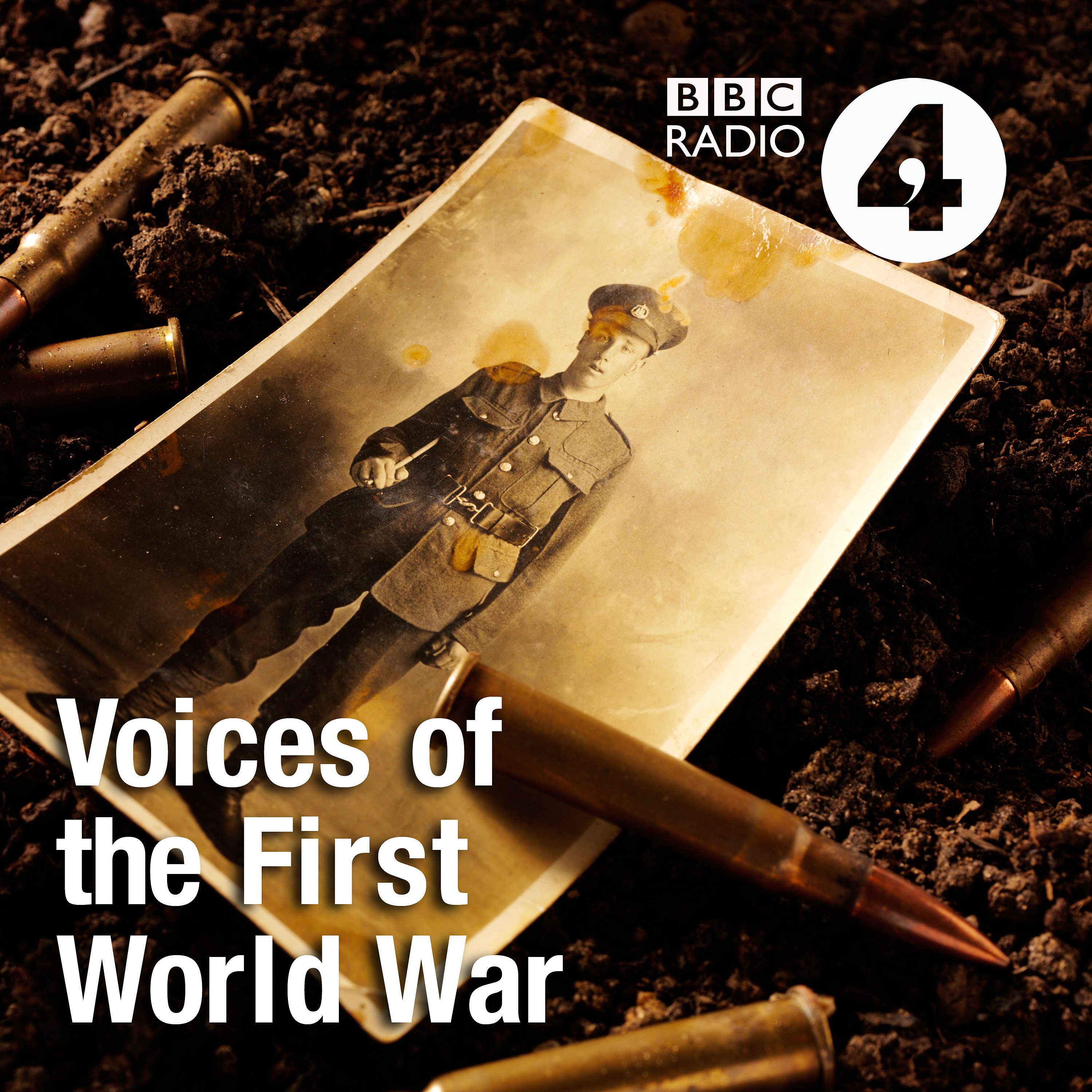
Before the last survivors of the First World War passed away, the memories of many of those who fought it were captured in sound recordings. Speakers recall in great detail as though it were yesterday the conditions of the trenches, the brutality of the battlefield, the experience of seeing their first casualty and hearing their first shell, their daily and nightly routines, and their psychological state in the face of so much trauma. The Imperial War Museum's holdings include a major oral history resource of remarkable recordings made in the 1980s and early 1990s with the remaining survivors of the conflict. The interviews were done not for immediate use or broadcast, but because it was felt that this diminishing resource, that could never be replenished, would be of unique value in the future. Among the BBC's extensive collection of archive featuring first hand recollections of the conflict a century ago are the interviews recorded for the 1964 TV series 'The Great War', which vividly bring to life the human experience of those fighting and living through the war. In a unique partnership between the Imperial War Museums and the BBC, the two sound archive collections are brought together for the first time in this Radio 4 series. 'Voices of the First World War', a fifty-part series which began in Autumn 2014, broadcasts many of these recordings for the first time, and will run in short seasons throughout the commemorative period, tracking the course of the war. Presented by Dan Snow, the second five programmes to be broadcast this year look at the events of 1915, including veterans' memories of their first trips home on leave, the rise of U-Boat attacks, the disastrous Battle of Loos, and the experiences of those fighting on the Eastern Front as the war expanded, in Salonika and Mesopotamia. In the second programme we hear the recollections of two German Officers who served on U-Boats, one of whom, Martin Niemoller, had become a Lutheran Pastor and leading voice in warning against the dangers of political apathy by the time of his contribution to the BBC Great War Series in 1964. And Alice Drury, a survivor of the Lusitania, vividly recalls its sinking by German torpedo in May 1915.
More from Voices of the First World War
In an omnibus edition of selected programmes from the final series, Dan Snow looks at some of the key events of 1918, from the German Spring Offensive in March, to the impact that the arrival of massed American troops had on the war. In interviews recorded by the BBC and the Imperial War Museums, those who were there recall the devastation caused by the Spanish Flu epidemic from May onwards, and the rapid advances made in the autumn as the Germans retreated. Finally Dan looks at the closing moments of the war on 11th November 1918, when the armistice took effect. When 11 o'clock came, alongside relief, disbelief, and celebrations, veterans recall that there was also an empty feeling, and a looming question that seemed to trouble many of them: what were they going to do now? Presented by Dan Snow Produced by Megan Jones for BBC Wales, and then
Dan Snow presents the final episode of Voices of the First World War, veterans recall what they were doing when the armistice took effect at 11 o'clock on 11th November 1918, and how they felt now the end of the war had at last arrived. Alongside relief, disbelief, and celebrations, there was also an empty feeling, and a looming question that seemed to trouble many of them: what were they going to do now? Presented by Dan Snow Produced by Megan Jones for BBC Wales
Dan Snow hears accounts of those who witnessed the restlessness, disorder and eventual mutiny of the sailors of the German High Seas Fleet in early November 1918, and recollections of one of the most remarkable sights in British Naval history, 10 days after the Armistice. The German Fleet, as a condition of the Armistice, surrendered to the Allies, and arrived in the Firth of Forth on the 21st. Members of the British Grand Fleet, some privileged to be above deck, some peeking through port holes, remembered a stunning sight as both fleets met off the coast of Scotland, against the backdrop of a large, red setting sun. Presented by Dan Snow Produced by Megan Jones for BBC Wales
'Green fields, no barbed wire, nothing…'. Those who were there recall what it felt like to be advancing at last in the autumn of 1918, after years of stalemate. After a series of assaults on the Hindenburg line, the vast system of German trenches, many remember excitement as they advanced so far they lost contact with their command. But there were pockets of fierce resistance, and an eerie feeling as they set about reclaiming abandoned villages where snipers and booby traps might lie in waiting for them. Presented by Dan Snow Produced by Megan Jones for BBC Wales
In August 1918 after years of disappointment, bloodshed and stalemate, Allied troops launched a surprise overwhelming attack on the German Army - a short, four day battle in which the Allied forces advanced 12 miles, more than the total advance of the Somme and Passchendaele offensives combined. Veterans recall how they did it. Presented by Dan Snow Produced by Megan Jones for BBC Wales