Show Notes
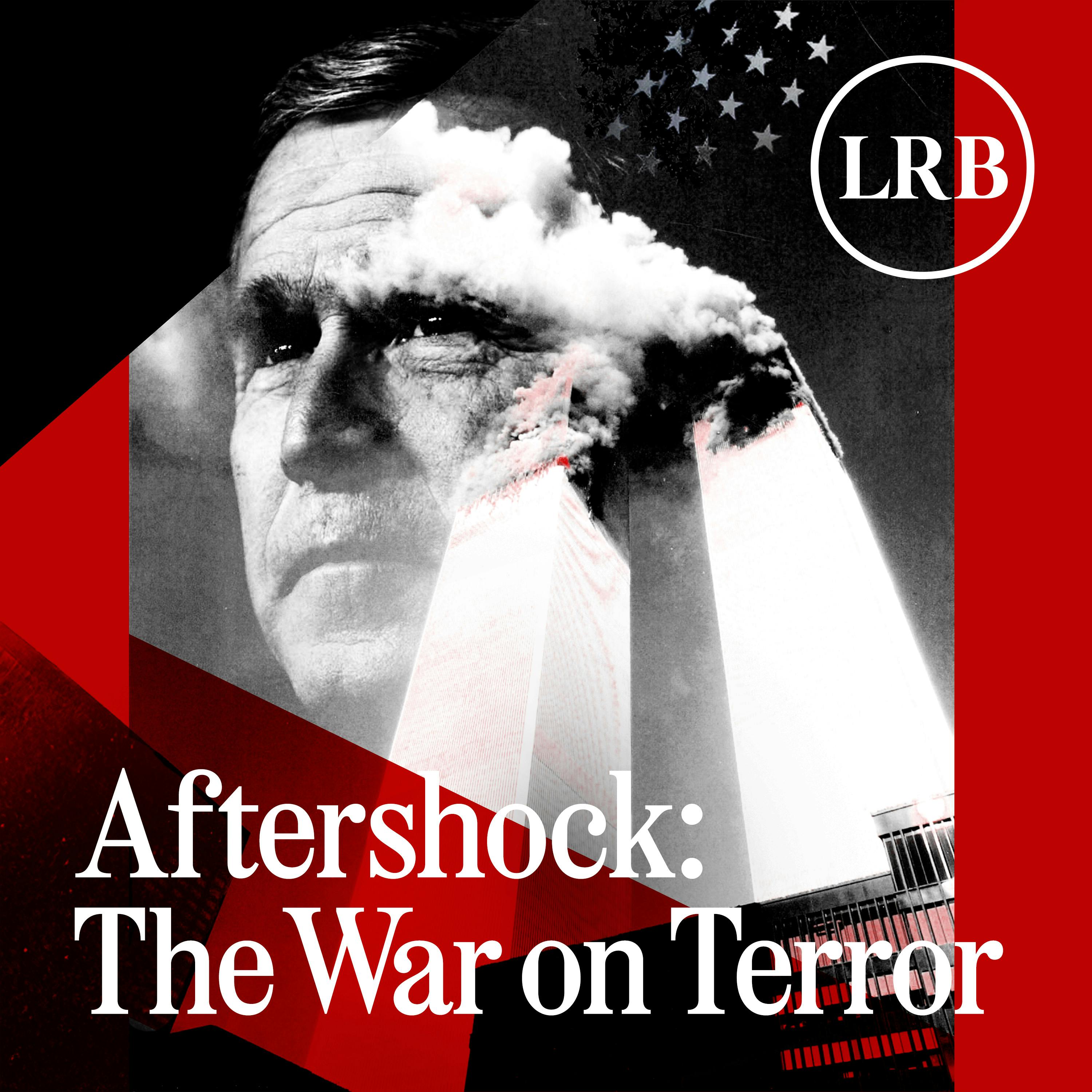
After the Twin Towers fell, Donald Rumsfeld reportedly told President Bush: ‘Now we can do Iraq.’ The neo-conservatives said it would be easy: American troops would be greeted with flowers and sweets. But the occupation quickly unravelled, leaving Iraq in chaos. Welcome to the Forever Wars.
More from the LRB
The Belgrano Diary: https://lrb.me/belgranowotpod Subscribe to the LRB: https://lrb.me/subswotpod Close Readings podcast: https://lrb.me/crwotpod LRB Audiobooks: https://lrb.me/audiobookswotpod Bags, binders and more at the LRB Store: https://lrb.me/storewotpod
Get in touch: [email protected]
Archive in this episode
‘American Policy in the Middle East: Options and Limitations’/Garfield Institute
‘Wolfowitz questioned on Iraq developments’/Associated Press
‘The Republican Presidential Debate’/CBS News
‘Pentagon Briefing’/C-Span
‘Inside the Pentagon's "Office of Special Plans"’/National Press Club
‘Wolfowitz: Iraqis Will "Greet Us As Liberators"’/C-Span
‘Presser by US administrator’/Associated Press
‘News conference by top US official in Iraq’/Associated Press
‘US Deputy Defence Secy on whirlwind tour’/Associated Press
‘Bremer announces Saddam capture, Sanchez, Pachachi’/Associated Press
‘WRAP Sovereignty handed over, ceremony, Bremer leaves’/Associated Press
‘Solemn Duty – Campaign Ad’/The Republican Party/Maverick Media
‘Excerpt of al-Sadr's presser’/Associated Press
‘Fox News’/Fox
Parliamentary Recording Unit
More from Aftershock: The War on Terror
In May 2002, six months after the invasion of Afghanistan but before the Iraq war, the London Review of Books held a debate: ‘The War on Terrorism: Is There an Alternative?’ The panel comprised Tariq Ali, Christopher Hitchens, Jacqueline Rose, Anatol Lieven and Onora O’Neill.
For the final episode, host Daniel Soar is joined by Patrick Cockburn, Laleh Khalili and Tom Stevenson for a live discussion on the War on Terror and its aftershocks.
‘Follow the money.’ That was George W. Bush’s directive to the US Treasury after 9/11. Choking off al-Qaida’s finances proved complicated — but what happened next went far beyond that. A small team of Treasury bureaucrats weaponised the global economic system itself, and built a financial nuclear bomb.
The events of 9/11 exposed cracks in the US intelligence apparatus. In response, the National Security Agency built the most extensive surveillance system in history. What was sold as a counterterrorism measure was turned on American citizens and the line between security and privacy all but disappeared. The data captured fed the Pentagon's international kill list and the surveillance industrial complex was born.
The wars in Afghanistan and Iraq created a dilemma for the Bush administration: what to do with the thousands of detainees captured during the War on Terror. John Yoo, a White House lawyer, came up with a new legal argument that allowed detainees to be held indefinitely without trial. Habeas corpus was suspended, the constitution upended and Guantánamo Bay became a judicial black hole.