Show Notes
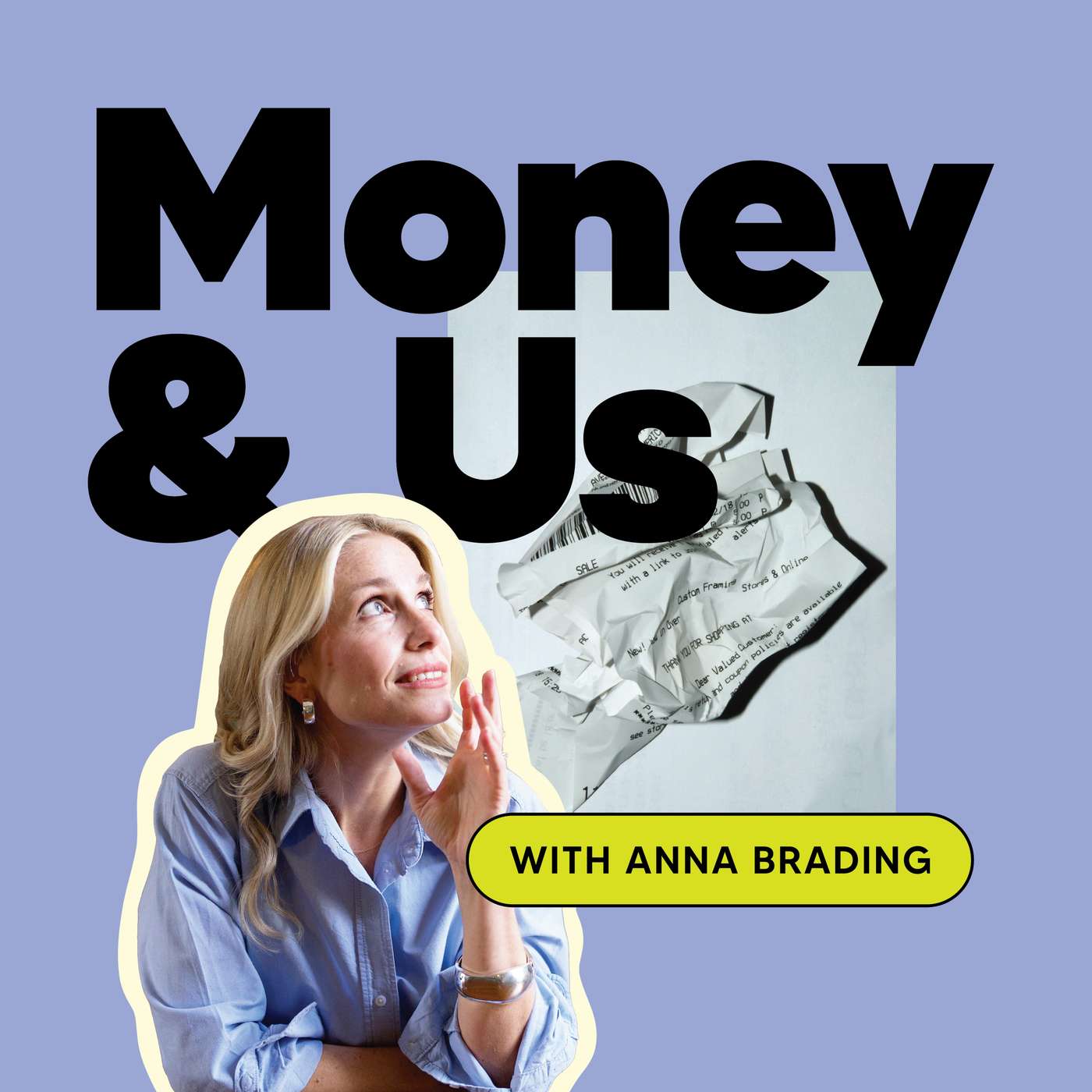
Have you ever felt like you’re doing everything right with money and still feel like you’re falling behind? You’re not alone, and you’re definitely not the problem. In this very first episode, Anna Brading shares the story behind Money and Us and why she felt compelled to create it. The truth is, most of us are navigating real life challenges that nobody else can see. The messy, complicated, invisible stuff. So much shame and embarrassment still surrounds the conversation around money, which means most of us suffer in silence rather than seeking the help and information we need. Money and Us exists for real people, living real lives, facing real challenges. Honest conversations that meet you exactly where you are, not where you think you should be. The reality is that money touches every single area of our lives, which is why throughout this series Anna will be covering a wide range of topics that don’t get spoken about nearly enough. From grief and addiction to parenthood and everything in between. These are the conversations that are long overdue. This is where it all begins. Welcome.
More from Money & Us
When Clare Francis lost her first husband in 2011, the grief came with a very practical problem too, because his income was gone while the mortgage and the bills were still there. In this episode of the Money & Us podcast, Anna talks to Clare, Director of Savings and Investments at Barclays and a financial journalist for more than 15 years, including as Editor in Chief at MoneySupermarket, about expecting the unexpected, and what it costs us emotionally and financially when we don't plan for it. Life rarely sends a warning, whether it's a global event that rattles the markets or something far closer to home, like losing an income or childcare costs that double almost overnight. Clare talks about what those moments looked like in her own life, how the investments she'd started years earlier gave her room to adjust, and why a financial buffer can't ease the emotional side of difficult times but can take a great deal of the pressure off. Clare also gets into why so many of us feel comfortable saving but frightened of investing, and why the fear of losing everything is far bigger than the realistic risk over the long term. For anyone who has put off investing because it felt too risky, too complicated or too late, she makes the case for starting small, and for talking about money with the people around us, because the confidence that builds reaches well beyond our finances. If you've ever put off building a financial cushion because nothing has gone wrong yet, Clare's story is a good reason to start. *Capital at risk when investing. For education, not financial advice. Key Moments: Fact or fiction: shares versus cash over 130 years Why we save for holidays but rarely for the unexpected Losing her husband and his income at the same time Childcare costs doubling overnight, and the investments that gave her room to adjust Why the fear of losing everything is bigger than the real risk Why investing isn't gambling Starting small, and why talking about money helps What wealth means to Clare Chapters: 00:00 Expecting The Unexpected 01:15 Fact Or Fiction: Shares Versus Cash 04:47 Why We Save For Holidays But Not Emergencies 07:59 A Decade Of Unforeseen Events 11:52 The 20 Year Chart That Changes How Crashes Feel 18:48 When The Income Disappears But The Bills Don't 26:06 The Day Her Childcare Costs Doubled 32:44 Squeezed In Your 40s 37:59 Why Saving Feels Safe And Investing Feels Scary 43:36 What £50 A Month Can Become 52:28 Investing Is Not Gambling 56:17 Inside The Campaign To Get Britain Investing 1:02:08 Your First Step Into Investing 1:14:47 Why Not Today? 1:16:35 What Wealth Means To Clare Mentioned in the episode: - Should you save cash or invest? https://www.barclays.co.uk/smart-investor/new-to-investing/before-you-start/should-you-save-cash-or-invest/ - Invest for the Future Campaign https://takethenextstepinvest.co.uk - What Is Investing? https://barclayslifeskills.com/i-want-to-get-to-grips-with-money-and-fraud/sixth-form/what-is-investing/ Follow Clare Francis: Instagram: https://www.instagram.com/clareefrancis1?srtk=dnV0aHVsemNyNmVz LinkedIn: https://uk.linkedin.com/in/clareefrancis Follow Anna Brading: Instagram: https://www.instagram.com/mentoramoney/?hl=en-gb LinkedIn: https://www.linkedin.com/in/annajoybrading/ Website: https://www.mentoramoney.com Follow Money & Us: Instagram: https://www.instagram.com/mentoramoney/?hl=en-gb TikTok: https://www.tiktok.com/@moneyanduspod?_r=1&_t=ZN-97TWiGIYThe YouTube: https://youtube.com/@moneyanduspod?si=eezWMsuQ7uY4ipBP Buy Money Mentor: https://amzn.eu/d/03ISOm6z
Anita Asante won every domestic trophy English football had to offer in a single season, a quadruple no Arsenal team has repeated since, while several of her teammates still worked as teachers, police officers and firefighters because the women's game simply couldn't pay them to do anything else. In this episode of the Money & Us podcast, Anna talks to Anita, a former England international with 71 caps who played for Arsenal, Chelsea and Aston Villa across nearly two decades, about building a career on a foundation that barely existed, and what it cost her to keep rebuilding it. Anita talks candidly about what it means to give your whole life to an industry, a club, a profession, and have it taken away from you at the drop of a hat. Even once she was finally being paid to play, financial security in women's football never really settled. A defining moment for Anita was having a World Cup place she'd worked her entire career towards taken away from her without explanation, shortly followed by an injury that ensured her playing days were firmly behind her. Losing football meant losing the identity she'd built her whole life around, so Anita had to work out who she was without it. She went on to coach the next generation, moved into broadcasting and started a PhD examining the very structures that shaped her own career, proving to herself along the way that she could be just as strong a version of herself outside the game as she ever was inside it. If you've ever had to rebuild your sense of security, financial or otherwise, from nothing, Anita's story is for you. Key Moments: Winning a quadruple while teammates still worked day jobs The lack of financial security even once she was finally paid to play A World Cup place taken away from her without explanation The injury that left her playing days firmly behind her Reinventing her identity once football was gone What wealth means to Anita after everything she's achieved Chapters:
In 2016, a single phone call changed the entire course of Sam Grice's life. He lost both his parents within moments of each other, thousands of miles from home, and out of that grief built a company that has since helped more than a million families through their own loss. In this episode of Money & Us, Anna sits down with Sam, founder of Octopus Legacy, to talk honestly about death, money and the parts of loss nobody warns you about, a topic that felt especially close to home for Anna at the time of recording. Sam talks openly about those first disorientating days, the shock that can mimic physical pain, the strange experience of planning a funeral while barely able to think straight, and finding himself comforting visitors who had come to comfort him. Within six months of his mum's death, that experience had already become the seed of the business he runs today. From there the episode moves into the practical realities so few of us ever prepare for, from what happens when a will is out of date to the eighteen months it can take to fully settle an estate. Sam explains why families so often end up selling homes, untangling pensions and facing complicated tax decisions at the exact moment they're least able to think clearly, and why simply knowing who to call can change everything. This episode is for anyone who has been through loss, anyone supporting someone who has, and anyone who has never quite got round to writing a will. Key Moments: The phone call that changed everything The shock and physical toll of sudden loss How Octopus Legacy was born within six months Why an out of date will causes so much extra pain What the probate process actually involves What wealth really means, according to Sam Chapters: 00:00 Meet Sam Grice Founder of Octopus Legacy 01:26 Why This Conversation About Loss Became Personal 03:08 Growing Up Around Entrepreneurs 06:32 The Phone Call That Changed Sam’s Life 08:15 What Grief Does to Your Brain and Body 11:41 The Admin That Starts Immediately After Someone Dies 13:02 Why an Outdated Will Can Be Worse Than No Will 14:35 Turning Personal Loss Into a Business 18:10 Why Planning Ahead Makes Loss Easier for Your Family 19:49 The Phone Box Where People Call Loved Ones Who’ve Died 21:50 Why You Shouldn’t Say “Sorry For Your Loss” 23:43 Dealing With a Death Can Take Nearly 500 Hours 25:14 What Happens If You Die Without a Will? 26:54 How Leaving Money in Your Will Can Help Charities 29:06 Writing a Will Can Take Just 20 Minutes 33:12 What Is Lasting Power of Attorney? 38:05 Why We Keep Putting Off Wills and Future Planning 41:38 The Emotional Reason People Procrastinate 42:53 The Final Messages Your Family Will Keep Forever 44:33 Inside the Octopus Legacy Box 48:35 What Do People Miss Most After Someone Dies? 51:44 Leaving Advice and Memories for Your Family 52:51 The Recipe Book Sam’s Mum Left Behind 53:26 Why You Should Record Your Funeral Wishes 55:21 Preserving Your Life Story on Video 01:06:51 What Do You Actually Do When Someone Dies? 01:07:32 Choosing a Funeral Director 01:08:40 Planning a Funeral in Just Days 01:10:16 How Much Does a Funeral Cost? 01:12:08 What Does an Executor Actually Do? 01:14:22 What Is Probate and How Does It Work? 01:20:17 Why Probate Can Take 18 Months 01:22:09 What Does Wealth Mean to Sam? Mentioned in the episode: Get Your Free Will with Octopus Legacy: https://octopuslegacy.com/free-will-podcasts?utm_source=affiliate&utm_medium=podcast&utm_campaign=autumn26-basic&utm_term=moneyandus-finance&utm_content=episodetext-charitywill-video-1 Get Your Legacy Box from Octopus Legacy: https://octopuslegacy.com/legacy-box?utm_source=affiliate&utm_medium=podcast&utm_campaign=autumn26-basic&utm_term=mentoramoney-finance&utm_content=podcast-charitywill-podcast-1 Disclosure: This post contains affiliate links. If you make a purchase through these links, I may earn a commission at no extra cost to you.
Paula Williams has spent more than 25 years in the therapy room watching money reveal what's really going on underneath the surface of people's lives, long before the numbers ever come into it. In this episode of the Money & Us podcast, Anna talks to Paula, an award winning BACP accredited psychotherapist specialising in trauma, addiction and abuse, about what's really driving our anxiety, our spending habits and our vulnerability to being taken advantage of. Paula explains why money almost always comes down to one thing, safety, and how that single word explains two seemingly opposite behaviours. Some people hoard, terrified of spending even when they can clearly afford to, while others spend to chase a high that never quite lasts. Both, she says, are looking for the exact same feeling. She talks honestly about avoidance too, why ignoring a banking app or an unopened letter gives temporary relief while the underlying problem only grows, and why simply becoming aware of an old pattern is the first real step towards changing it. The episode moves into scams and grooming, including a story about a client who lost her life savings to someone she met online, and why intelligence has nothing to do with who becomes a target. Paula unpacks economic abuse in detail too, the kind that can hide behind a big house and a lovely holiday while someone has no real access to their own money, and why it so rarely looks the way people expect abuse to look. If money has ever made you anxious without knowing exactly why, or you suspect someone close to you might be dealing with something worth a closer look, this one's for you. Key Moments: Why hoarding and overspending both come from the same fear The temporary relief of avoidance, and its real cost How scammers target vulnerability, not intelligence What economic abuse actually looks like behind closed doors What wealth means to Paula after everything she's seen Chapters: 00:00 Meet Paula Williams 00:57 Fact or fiction: economic abuse in the UK 02:19 Why money anxiety is rising 04:11 Where our money fears begin 07:52 Why spending can feel unsafe 12:24 How much money is enough? 17:49 The effect of news and financial uncertainty 24:22 When money habits become a source of anxiety 27:39 Why we avoid looking at our finances 30:10 How scammers use urgency 33:29 The shame people feel after being scammed 34:19 How a romance scam builds trust 40:30 What economic abuse can look like 45:47 Recognising control and restriction 47:57 How to support someone experiencing abuse 51:35 A story of recovery and hope 54:14 Spotting your own warning signs 57:33 Practising self-compassion 59:59 Why self-care matters 01:03:06 Pausing to ask what you need 01:06:11 Replacing self-judgement with curiosity 01:12:25 Learning to reflect on your feelings 01:15:09 When to seek extra support 01:17:58 What wealth means to Paula References: The statistic referenced in this episode comes from 2025 research by Surviving Economic Abuse, conducted by Ipsos UK. If anything in this episode resonates and you need support, help is available: Women's Aid — domestic abuse support Surviving Economic Abuse (SEA) — economic abuse support Victim Support — free helpline for fraud and scams, 08 08 16 89 111 Men's Advice Line — support for men StepChange — free debt advice Follow Paula Williams: Instagram: https://www.instagram.com/yourheart_therapist LinkedIn: https://www.linkedin.com/in/yourhearttherapist Website: https://paulapsychotherapist.com Follow Anna Brading: Instagram: https://www.instagram.com/mentoramoney/?hl=en-gb LinkedIn: https://www.linkedin.com/in/annajoybrading/ Website: https://www.mentoramoney.com Follow Money & Us: Instagram: https://www.instagram.com/mentoramoney/?hl=en-gb TikTok: https://www.tiktok.com/@moneyanduspod?_r=1&_t=ZN-97TWiGIYThe YouTube: https://youtube.com/@moneyanduspod?si=eezWMsuQ7uY4ipBP Buy Money Mentor: https://amzn.eu/d/03ISOm6z
Caroline Goyder has spent her career teaching people that the way they speak can matter just as much as what they say. In this episode of the Money & Us podcast, Anna talks to Caroline, voice coach and bestselling author of Gravitas, whose TEDx talk has now been watched more than 11 million times, about the surprising, largely unspoken link between how we speak and how far we get in life. Caroline shares research most of us have never encountered on how voice shapes the way we're perceived, trusted and even paid, along with why that link plays out so differently for men and women. She explains why voice is really about breath, and why breath is really about safety, something she believes we've largely lost touch with as a culture. Caroline speaks candidly about her own journey, including a formative moment early in her career when a talk went badly wrong in front of a large audience, and the practical, almost startlingly simple techniques she now teaches, from chanting for five minutes a day to the physical postures performers use to take up space and calm their nervous system before walking into a room. This episode is for anyone who has ever felt their voice let them down in a moment that mattered, and for anyone curious about the physical foundations of confidence and success. Key Moments: • How voice shapes trust, perception and pay • Why the research plays out differently for men and women • The moment a talk went wrong in front of a huge audience • How chanting changed Caroline's voice in three months • The physical techniques performers use to take up space • What wealth means to Caroline after losing her father Chapters: 00:00 Introduction 01:13 Can Your Voice Affect Your Success? 05:45 Why Your Voice Matters at Work 09:49 Why Public Speaking Feels So Scary 11:40 Caroline’s Worst Public Speaking Experience 14:20 How to Train and Improve Your Voice 18:57 Why a Lower Voice Sounds More Confident 21:23 How to Take Up Space and Command a Room 24:23 How to Prepare for a High-Stakes Conversation 28:13 How to Control Nerves When Speaking 30:12 Why Your Voice Matters More in the Age of AI 31:25 Where Real Confidence Comes From 35:39 The Secret to Rehearsed Spontaneity 40:02 How to Use Pitch and Intonation 45:29 How to Sound Charismatic Without Trying 49:09 What Famous Actors Taught Caroline About Confidence 50:04 Minnie Driver’s Advice for Handling Criticism 55:55 How to Ask for a Pay Rise With Confidence 57:26 How to Speak With Authority in a Job Interview 01:01:29 How to Stop Using Filler Words 01:04:50 Why Great Speakers Are Made, Not Born 01:06:21 Is Your Phone Making You a Worse Speaker? 01:09:07 Caroline’s Biggest Lesson About Confidence 01:10:24 Your Voice Is Part of Who You Are 01:11:18 What Does Wealth Really Mean? References: 1. Asli Ceren Cinar and Özgür Kıbrıs (2024), Persistence of Voice-Pitch Bias Against Policy Differences, Political Science Research and Methods, 12(3), 591–605. https://researchonline.lse.ac.uk/id/eprint/120372/1/Cinar_Kibris_Voice_bias_pitch_policy_differences_published.pdf 2. William J. Mayew, Christopher A. Parsons and Mohan Venkatachalam (2013), Voice Pitch and the Labor Market Success of Male Chief Executive Officers, Evolution and Human Behavior, 34(4), 243–248. https://www.sciencedirect.com/science/article/abs/pii/S1090513813000238 Follow Caroline Goyder: Instagram: https://www.instagram.com/carolinegoyder LinkedIn: https://www.linkedin.com/in/carolinegoyder/ Facebook: https://www.facebook.com/carolinegoyder Website: https://carolinegoyder.com Buy Find Your Voice: https://www.amazon.co.uk/gp/product/B07MT59K96/ref=dbs_a_def_rwt_bibl_vppi_i1 Buy Gravitas: https://www.amazon.co.uk/Gravitas-Communicate-Confidence-Influence-Authority/dp/0091954959 Buy The Star Qualities: https://www.amazon.co.uk/Star-Qualities-sparkle-confidence-aspects/dp/1447263251 Follow Anna Brading: Instagram: https://www.instagram.com/mentoramoney/?hl=en-gb LinkedIn: https://www.linkedin.com/in/annajoybrading/ Website: