Show Notes
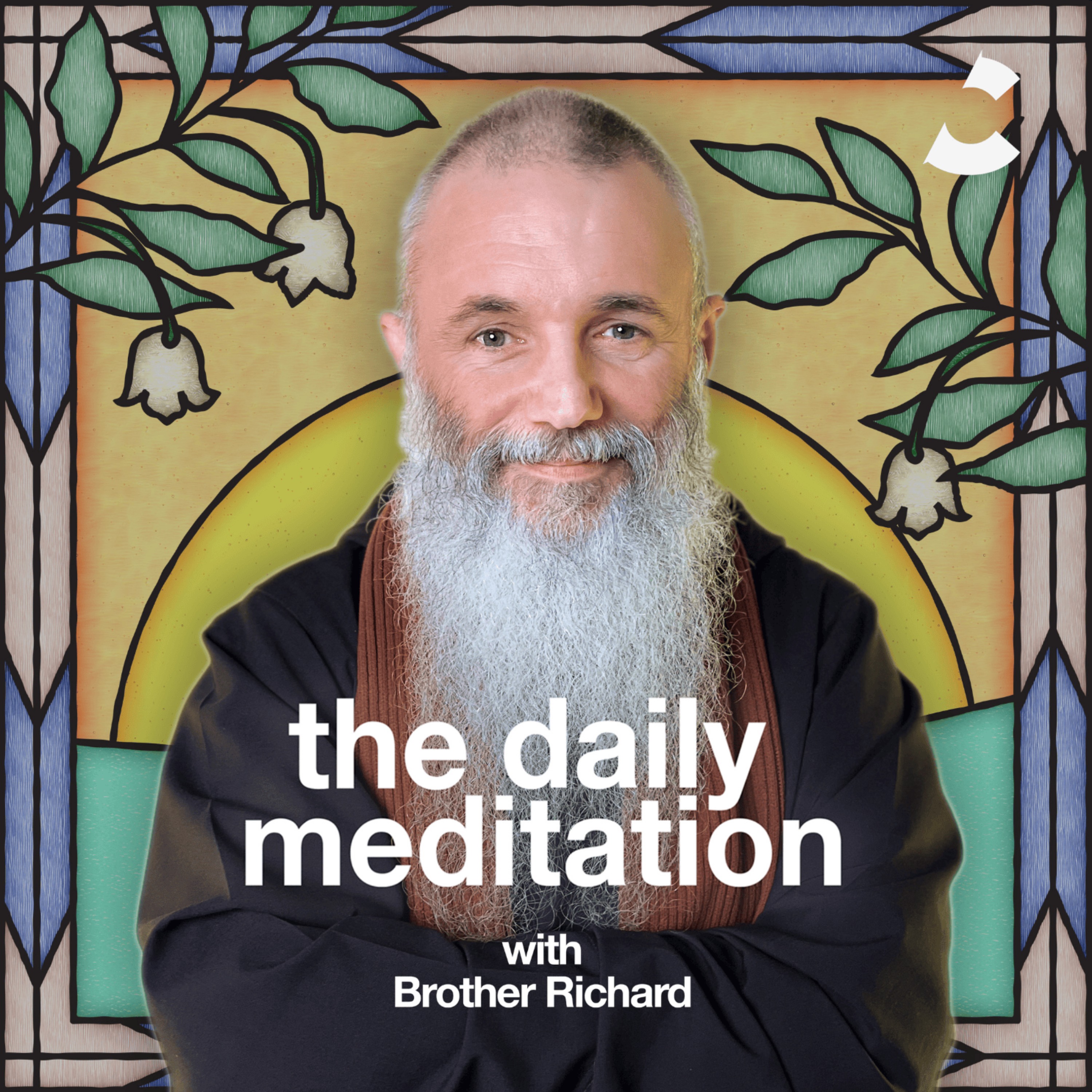
In this meditation, I invite you to explore the ancient practice of Lectio Divina through a beautiful line from Psalm 130: “I will wait on the Lord.” Drawing on the image of a watchman waiting for the first light of dawn, we reflect on what it means to wait with patience, hope and trust. Waiting is something we all experience, whether in small everyday moments or during more difficult periods of uncertainty, suffering or sorrow. Yet within the contemplative tradition, waiting can become a sacred practice in itself. Through the breath, stillness and repetition of scripture, we consider how meditation teaches us to remain present without needing to control what comes next. Just as the watchman trusts that dawn will arrive, we are invited to trust in the possibility of new beginnings and the light of divine love. Chapters: 00:00 – Introduction: Lectio Divina and Psalm 130 00:44 – Opening bell 00:53 – Entering meditation with openness 01:13 – Arriving in the present moment 01:33 – Letting go of past and future 01:55 – Relaxing into the breath 02:35 – Resting in the rhythm of breathing 03:05 – Introducing the words of Psalm 130 03:52 – Noticing your reaction to the scripture 04:25 – I will wait on the Lord 04:38 – As the watchman waits for the dawn 05:08 – The watchman as an image of meditation 05:34 – Finding hope in darkness and uncertainty 05:49 – Waiting for the first light of dawn 06:19 – Trusting in divine love 06:42 – Reflecting on the experience of waiting 07:12 – Waiting in everyday life and difficult circumstances 07:39 – Learning to abide in stillness 08:07 – Returning to the words of scripture 08:26 – Meditation as waiting for encounter 08:49 – Waiting for the dawning of divine grace 09:47 – Reflecting on the meaning of waiting 10:27 – Trusting that dawn will come 10:45 – Resting with the breath and scripture 11:16 – Allowing the words to fade 11:49 – Bringing meditation into periods of waiting 12:05 – Returning to the body 12:20 – Closing bell Hosted on Acast. See acast.com/privacy for more information.
More from The Daily Meditation with Brother Richard
In this meditation, I invite you to return once again to the basic relaxation form that underpins our contemplative practice. Just as a martial artist repeats familiar movements until they become second nature, returning regularly to the foundations of meditation helps us develop the ability to enter stillness, even when life is busy or distracting. Beginning with a simple ritual gesture, we settle into a comfortable posture before bringing awareness to the body, breath, feelings and thoughts. Through gentle relaxation and visualisation, we learn to observe these different aspects of ourselves without judgement, gradually moving towards the still centre of awareness within. Whether you are new to meditation or returning after some time away, this practice offers an opportunity to strengthen your meditative foundations and reconnect with the peace of the present moment. Chapters: 00:00 – Introduction: Recovering the relaxation form 00:48 – Opening bell 01:02 – Beginning with a ritual gesture 01:51 – Taking your seat with awareness 02:20 – Finding comfort and stability 02:40 – Meditation is not a struggle with the body 02:58 – Relaxing and lengthening the spine 03:31 – Releasing tension in the shoulders and jaw 03:55 – Allowing the breath to settle 04:36 – Scanning the body for tension 04:59 – Accepting the body as it is 05:11 – Breathing out stress and discomfort 05:41 – Visualising the breath as golden light 06:03 – Relaxing the whole body 06:53 – I have a body, but I am more than my body 07:38 – Checking in with feelings and thoughts 08:09 – I am more than my feelings and thoughts 08:41 – Following the breath to the centre 09:14 – Resting in perfect peace and stability 09:37 – I am I 09:50 – Created and held in divine love 10:02 – Meditating for ourselves and others 10:27 – Dwelling in the centre of the breath 11:01 – Resting in the grace of the present moment 11:37 – Returning to the body 11:55 – Carrying peace into the day 12:23 – Closing bell Hosted on Acast. See acast.com/privacy for more information.
In this meditation, I continue our series of meditating with Mary, the great teacher of prayer and openness to divine grace within the Christian contemplative tradition. We reflect on Mary’s words at the wedding feast of Cana: “Do whatever he tells you.” These simple words invite us into a deeper relationship with divine love and an openness to the guidance of divine will. Through stillness and reflection, we consider what it means not only to receive grace but to respond to it through our choices, actions and way of living. Beginning with the breath, we allow Mary’s words to settle within us, exploring the invitation to trust, to listen and to act. Just as water was transformed into wine at Cana, we reflect on how the ordinary moments and distractions of our lives might become opportunities for transformation through divine love.
In this meditation, I invite you to take a little time to simply rest in the breath. Our breathing is the background music of our lives, a constant rhythm that continues no matter what else is happening around us. By gently bringing our attention to this natural movement, we can find a place of stillness, stability and rest within the present moment. Beginning with the body, we notice how we are breathing and where we may be holding tension. Gradually, we allow our awareness to settle more deeply into the full cycle of each breath, without trying to control or change it. Through gentle visualisation, relaxation and a period of shared silence, this meditation offers an opportunity to rest, reconnect with the body and experience the breath as a precious gift.
In this third meditation on the Peace Prayer of St. Francis, I invite you to reflect on the words: “Where there is injury, let me sow pardon.” Continuing our journey through this beautiful prayer, we explore what it means to experience injury beyond the physical — the emotional, mental, spiritual and relational hurts that can remain with us long after an event has passed. We consider the meaning of pardon, not simply as forgiveness of another, but as an invitation towards greater freedom from resentment, suffering and the weight of old wounds. Drawing on the example of St. Francis and his commitment to reconciliation, mercy and peace, we gently ask how open we are to the possibility of pardoning ourselves and others. This meditation offers space to reflect on forgiveness, to cultivate compassion and to consider how we might become instruments of peace in our relationships and daily lives.
A gentle practice using colour to deepen reflection and presence Hosted on Acast. See acast.com/privacy for more information.