Herbals, Their Origin and Evolution A Chapter in the History of Botany-Agnes Arber
The Montessori MethodShow Notes
"Herbals, Their Origin and Evolution A Chapter in the History of Botany" by Agnes Arber delves into the historical development of herbals, exploring their significance in the field of botany. This insightful work traces the evolution of herbal texts and their impact on our understanding of plants and their uses. Listening to this audiobook offers a chance to appreciate the intricate relationship between humans and nature, highlighting themes of knowledge, discovery, and the importance of botanical studies that remain relevant today. Arber's exploration serves as a reminder of the enduring value of plant knowledge in our ongoing quest for understanding the natural world.
This episode includes AI-generated content.
More from The Montessori Method
"Priest and His Disciples" by Hyakuzō Kurata, translated by Shaw, delves into the profound relationship between a spiritual leader and his followers, exploring themes of faith, guidance, and the transformative power of mentorship. This timeless narrative resonates deeply with contemporary audiences, reminding us of the enduring quest for meaning and connection in our lives. The book invites listeners to reflect on the dynamics of leadership and discipleship, emphasizing the importance of wisdom passed from one generation to the next. As we navigate our own paths in a rapidly changing world, the insights offered in this work remain relevant, encouraging us to seek understanding and foster meaningful relationships.
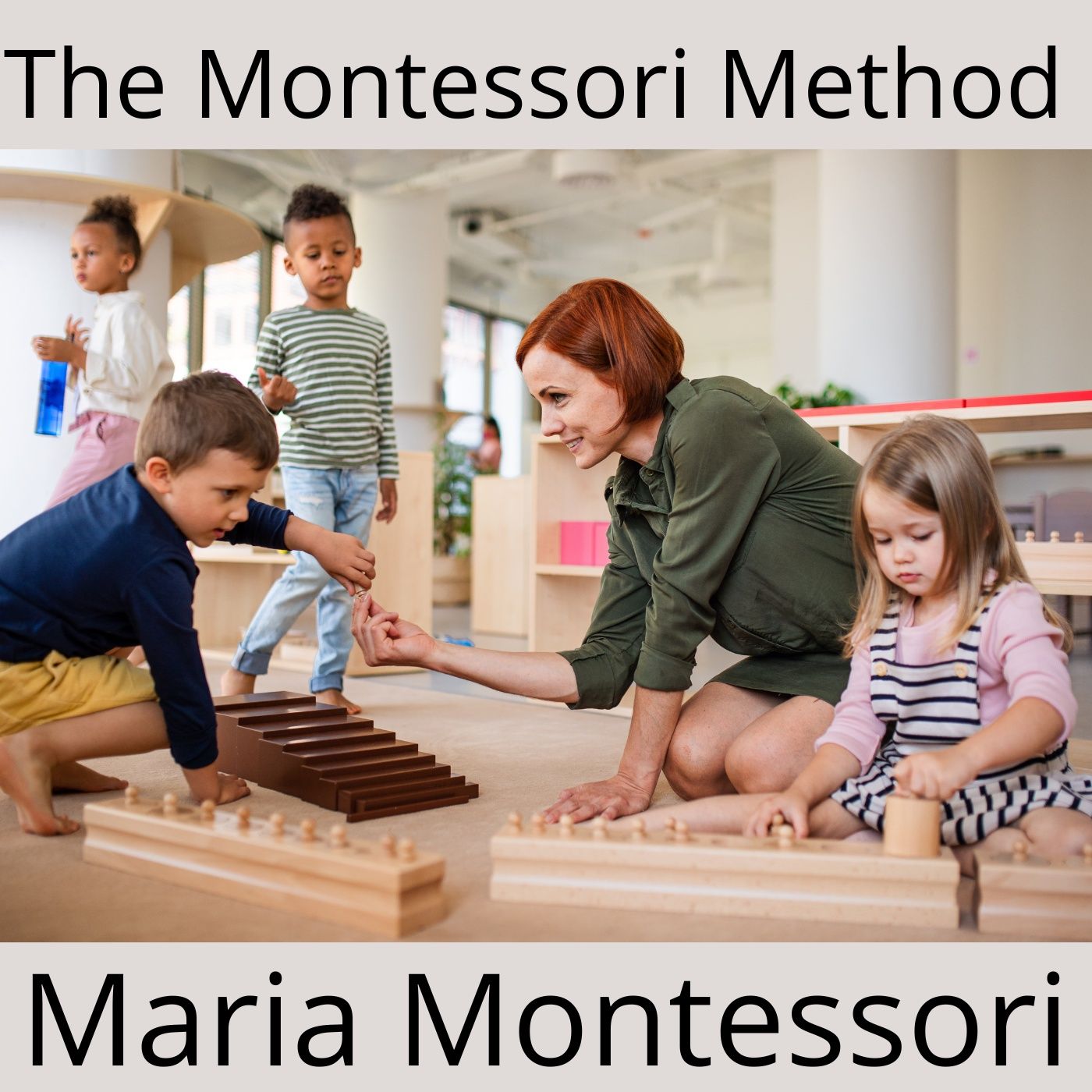
The Montessori Method by Maria Montessori presents a revolutionary approach to education that emphasizes the importance of child-led learning and the development of independence. This timeless work advocates for an environment where children can explore and learn at their own pace, fostering a deep love for knowledge and discovery. Montessori's insights into the natural tendencies of children and the role of the educator as a guide rather than a dictator remain profoundly relevant today, as they challenge conventional educational practices that often stifle creativity and curiosity. The enduring themes of respect for the child, the significance of hands-on learning, and the belief in the innate potential of every individual continue to resonate, inspiring educators and parents alike to rethink how we nurture the next generation. By embracing these principles, we can cultivate a more compassionate and effective educational landscape that honors the unique journey of each child.
The Montessori Method by Maria Montessori presents a revolutionary approach to education that emphasizes self-directed learning and the development of a child's natural abilities. This method advocates for an environment where children can explore, discover, and learn at their own pace, fostering independence and critical thinking. Montessori's insights into the importance of respecting a child's individuality and innate curiosity remain profoundly relevant today, as they challenge traditional educational paradigms that often stifle creativity and autonomy. By prioritizing hands-on experiences and collaborative learning, this timeless work continues to inspire educators and parents alike to cultivate a nurturing atmosphere that promotes holistic development. The enduring themes of freedom, respect, and the joy of learning resonate deeply, making this book a vital resource for anyone interested in the future of education.
"Home and the World" by Rabindranath Tagore explores the intricate relationship between personal and political realms, delving into themes of nationalism, identity, and the impact of societal change on individual lives. Set against the backdrop of early 20th-century India, the narrative examines how the tumultuous forces of modernity and tradition shape human connections and moral dilemmas. Tagore's profound insights into the struggles between personal desires and communal responsibilities resonate deeply today, reminding us of the ongoing quest for balance in our own lives.
How to Tell Stories to Children by Sara Cone Bryant is a timeless guide that explores the art of storytelling specifically tailored for young audiences. This insightful work delves into the techniques and principles that can help adults engage children's imaginations and foster a love for narratives. The themes of creativity, connection, and the importance of storytelling in childhood development resonate strongly today, reminding us of the vital role stories play in shaping young minds. By listening to this audiobook, you will rediscover the power of storytelling and its enduring impact on children's growth and understanding of the world around them.