Show Notes
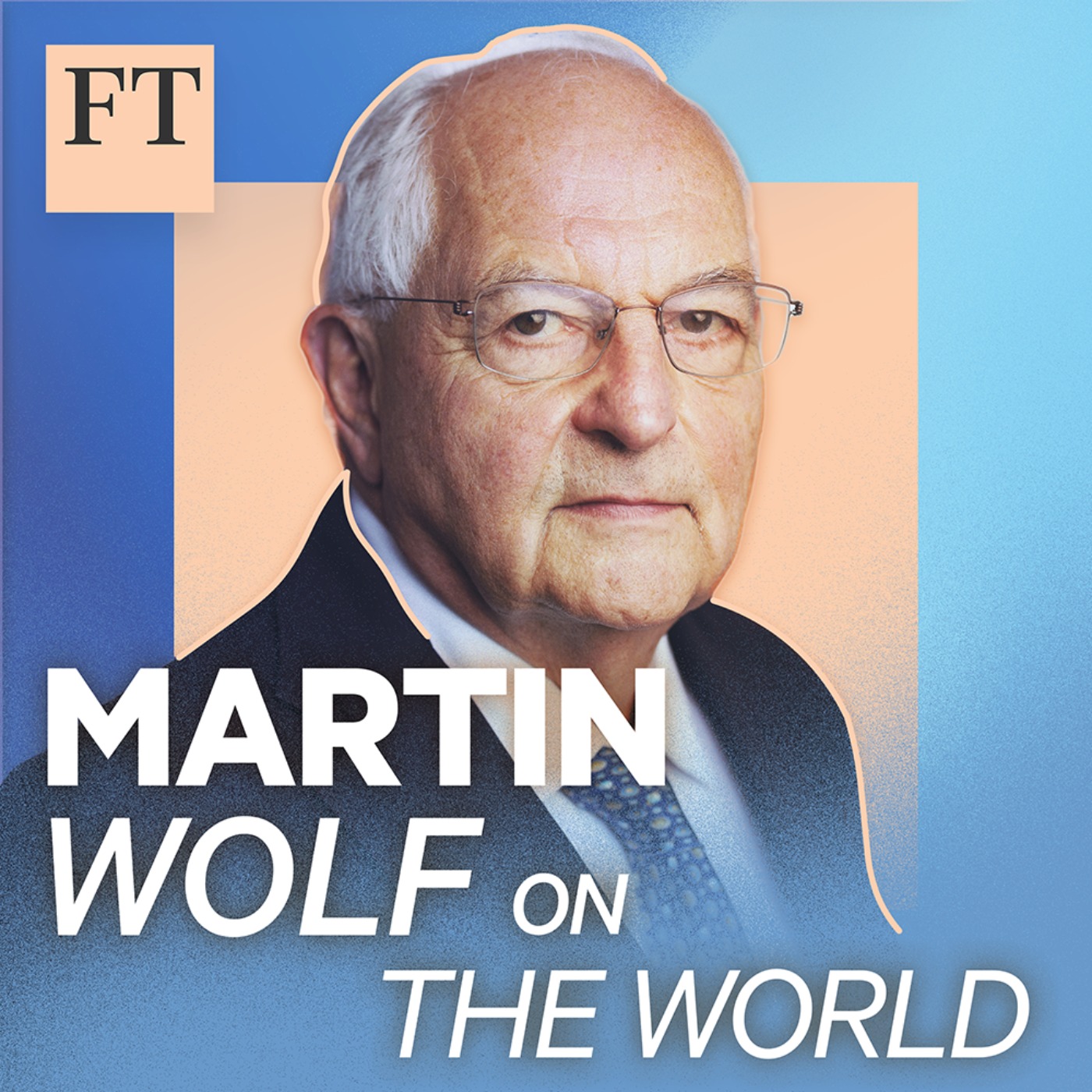
As Americans prepare to vote in the November 3 midterm elections, FT chief economics commentator Martin Wolf asks what the result will mean for Donald Trump, the future of US democracy and America's place in the world. In the second of a six-part series of interviews with leading historians and political analysts, Martin speaks to Pulitzer Prize-winning historian and author Anne Applebaum about the global stakes of November’s elections. They discuss the parallels between Trump’s America and other authoritarian regimes and what the US’s changing role means for Europe and Ukraine. Even if Trump suffers a political setback, can the US ever regain the trust of its allies?
To enjoy future episodes, be sure to subscribe to ‘Martin Wolf on the World’ wherever you get your podcasts. You can also watch Martin’s podcast series on the FT’s YouTube channel here: https://www.youtube.com/@FinancialTimes
Host: Martin Wolf Producer: Mischa Frankl-Duval Senior producer: Laurence Knight Executive producer: Manuela Saragosa Video editor: Claire Justin Audio engineering: Breen Turner Broadcast engineers: Andrew Georgiades Podcast development: Laura Clarke FT global head of audio: Flo Phillips
Learn more at www.ft.com/martin-wolf-on-the-world Hosted on Acast. See acast.com/privacy for more information.
More from Martin Wolf on the World
As Americans prepare to vote in the November 3 midterm elections, FT chief economics commentator Martin Wolf asks what the result will mean for Donald Trump, the future of US democracy and America's place in the world. In the first of a six-part series of interviews with leading historians and political analysts, Martin speaks to the scholar and former Republican adviser Robert Kagan, who has spent a decade warning about Trump's authoritarian ambitions. They discuss how Trump has accumulated so much power, whether America's democratic institutions can still constrain him, and what might happen if Republicans lose control of Congress. Could these elections mark a turning point for American democracy or has the country already gone too far down the road towards authoritarianism?
In the first of this four-part series, the renowned FT columnist and economist Martin Wolf tells the FT’s executive opinion editor Jonathan Derbyshire why he fears the marriage of liberal economics and democracy may be facing its toughest test in decades. Drawing on arguments in his latest book, The Crisis of Democratic Capitalism, Martin explains how his own life story and career have shaped his views.
The fault lines in the currency union stand revealed. The promise was that the eurozone would deliver its members from currency crises. But, as I, and others, warned, be careful what you wish for: credit crises would replace currency crises – and these are likely to be even worse. Hosted on Acast. See acast.com/privacy for more information.
Borrowing is no sin, provided we use the funds to ensure that we bequeath a better infrastructure to the future, says Martin Wolf Hosted on Acast. See acast.com/privacy for more information.
Berlin’s emphasis on deflationary adjustment in weaker countries risks turning the eurozone as a whole into a gigantic Germany, dependent on importing demand from the rest of the world, says Martin Wolf Hosted on Acast. See acast.com/privacy for more information.