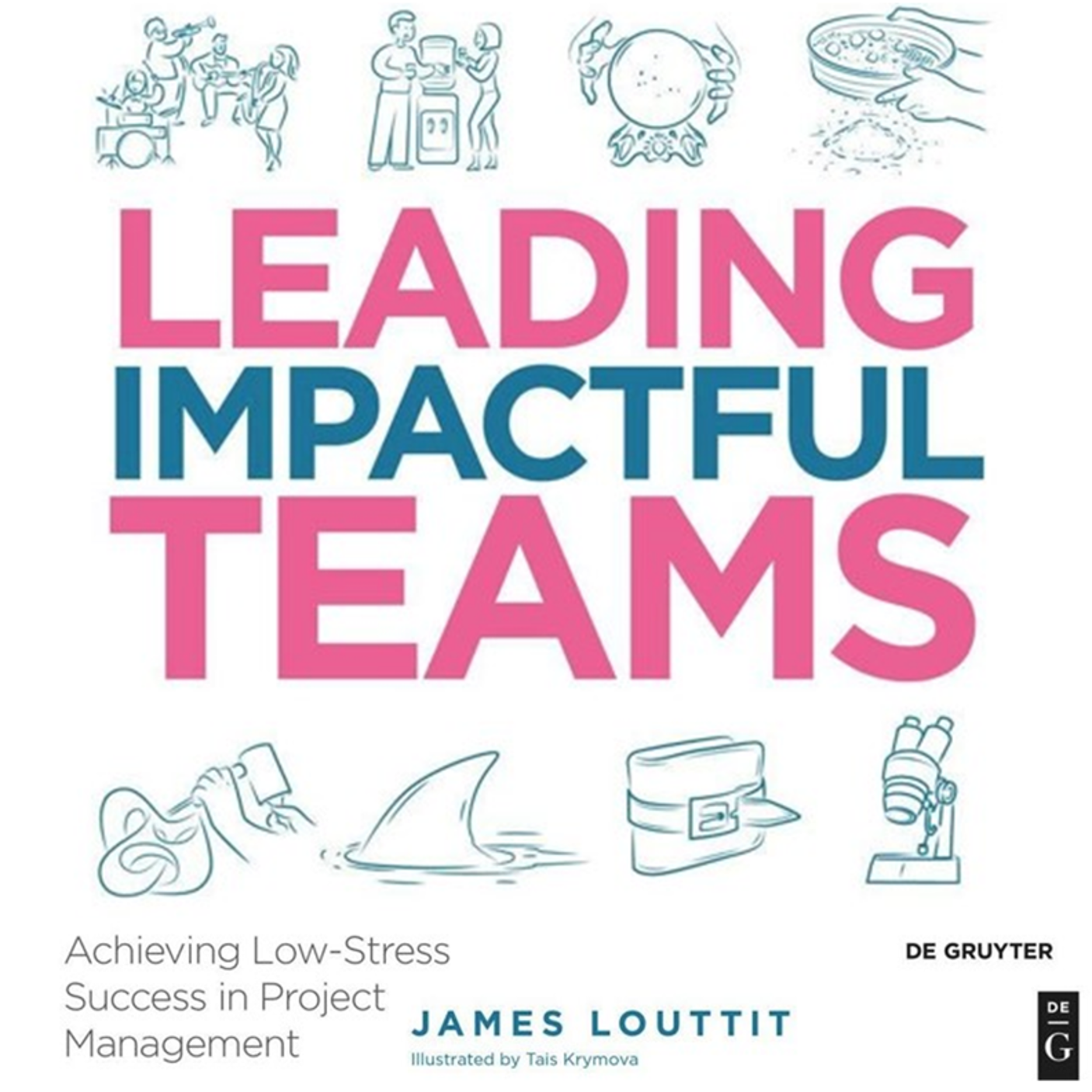
Show Notes
Quality isn’t about perfection—it’s about balance. Deliver something great without chasing an impossible ideal (and driving your team crazy). My dad always said, “you can have it good, you can have it quick, you can have it cheap.... pick two.” Using this classic Iron Triangle, you'll be able to balance quality, time, and cost to meet your project’s real needs. Often, dialing quality up or down to save time or money is absolutely fine. The key is to make quality a conversation from the start. Define what “good enough” looks like for your users instead of blindly ticking every box. Focus on delivering that value, and you’ll hit the sweet spot where nothing important is messed up—and nobody burns out chasing unnecessarily flawless results.
More from Leading Impactful Teams
Hopefully you've enjoyed listening as much as I enjoyed writing and reading the book. Let's connect on LinkedIn and continue the journey - there's loads more free content, and who knows maybe one day me and my team will be able to work with you and your team directly.
Projects can be better. 3 Key Takeaways: - Be transparent (share your plans and invite feedback), - Be ruthless about priorities (focus on the “bare necessities”) - and above all, put people first. Even in an AI-driven age, human empathy and connection set great project leaders apart. You should feel inspired to lead your next project not just to deliver results, but to do it in a way that keeps you and your team happy and sane. Projects will always be challenging, but with a bit of humor and heart, it can also be deeply rewarding. Let’s make it better, together.
Money matters, and a great PM can save a fortune for the organisation. Sometimes that means bravely canceling a doomed project before it burns more cash. Usually, it’s about smaller wins: trimming waste by streamlining work and preventing expensive scope creep. you can cut costs in any scenario if you are skilled at talking about budget openly with the right people. Cost control is not boring bean-counting, it is a key way to deliver value and keep your project healthy.
If you like this stuff so far, you can run the book club for your stakeholders too. And get in touch with me and my team if you would like to learn more about it.
Projects live or die by relationships, so you need to get stakeholders on your side. There are no “A***holes” in business, only people with different experiences, capabilities, stresses and styles than me (some of whom may appear to be a bit A***holish, even quite a lot of the time) — everyone has their reasons. Assume good intent and see the world from each stakeholder’s perspective (even the frustrating ones). Figure out who really has a stake in your project and then think about different ways to communicate, handle conflict, and turn difficult people into collaborators. Mastering this human element transforms stakeholder management from a headache into the heart of project leadership—because when people are with you, even big challenges get easier.