Show Notes
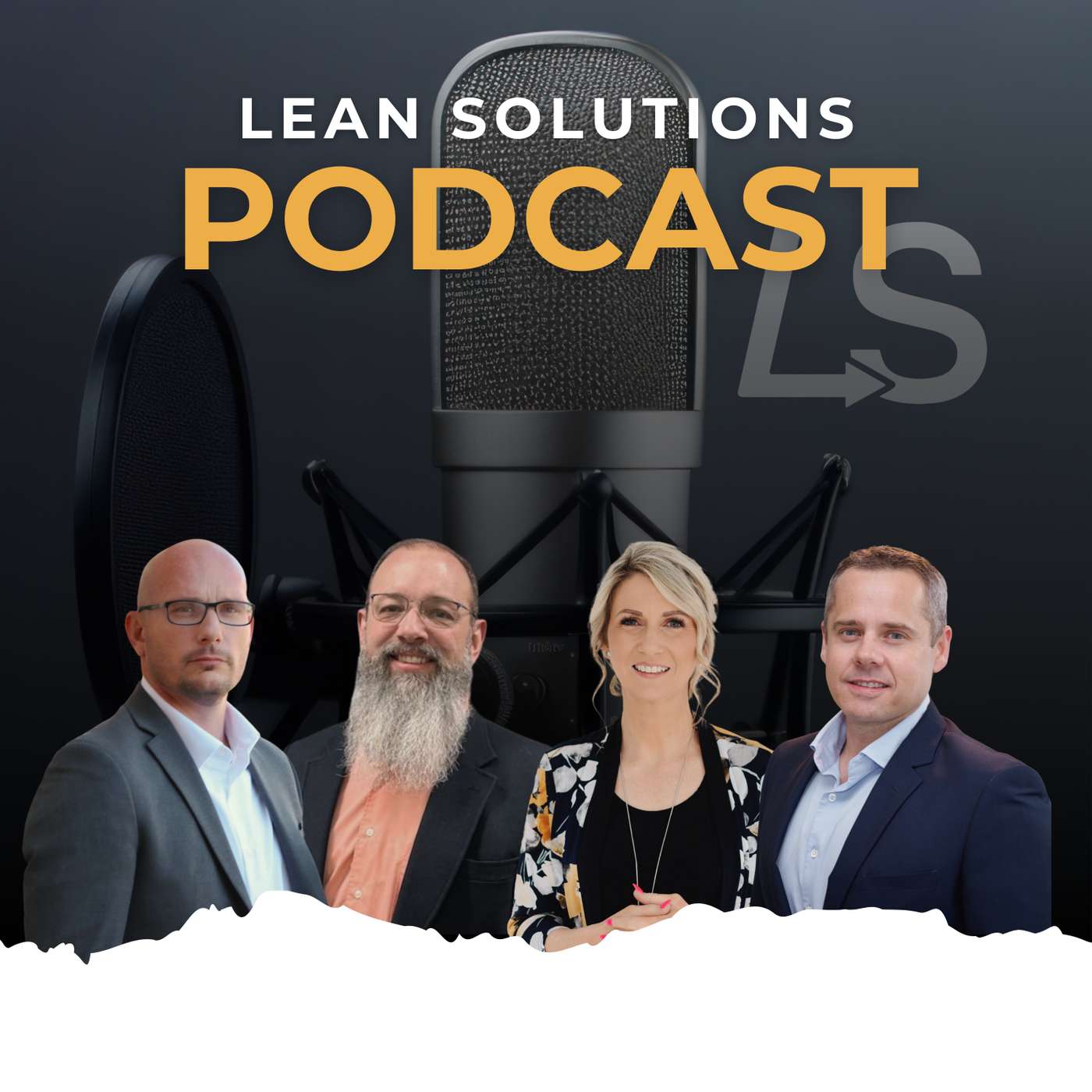
What You'll Learn in This Episode: In this episode of the Lean Solutions Podcast, Shayne Daughenbaugh and Andy Olrich welcome James Martin to explore why batching often feels more efficient, but can actually hurt the flow of an entire organization. James shares real-world examples of reducing batch sizes and moving toward flow, including a transformation that reduced processing time from 14 hours to as little as 1.5 hours while significantly increasing output. The conversation explores how batching creates waiting, excess inventory, bottlenecks, and localized efficiency, and why teams need to focus on the flow of the entire system rather than individual productivity. James also explains how smaller batch sizes, experimentation, visual management, and employee empowerment can help organizations identify problems more quickly and foster a culture of continuous improvement. Whether you're trying to reduce waste, improve manufacturing flow, or build a stronger continuous improvement culture, this episode offers practical examples of how reducing batching can help work move faster and more effectively through an organization.
Key Takeaways: Focus on flow—not localized efficiency Smaller batches can expose and eliminate waste Make bottlenecks and problems visible Empower teams to experiment and improve Links: https://www.linkedin.com/in/james-martin-4a4629254/ https://srasolutions.com.au/ https://www.findleansolutions.com/lean-summit/ https://www.findleansolutions.com/
More from The Lean Solutions Podcast
What You’ll Learn in This Episode
What You’ll Learn in This Episode: In this episode, Patrick Adams and Catherine McDonald are joined by David Norris to explore why organizations should improve their processes before automating them. They discuss how jumping too quickly into automation or AI can result in organizations simply automating existing waste and complexity. David shares how leaders can understand the current state, identify root causes, involve the people doing the work, and eliminate unnecessary steps before introducing technology. The conversation also explores how to identify good opportunities for automation and build a culture where continuous improvement becomes part of everyday work. Episode 37_otter_ai_transcript Episode 37_otter_ai_transcript Key Takeaways: 1. Don’t automate waste—improve the process before adding technology 2. Understand the current state before designing the future state 3. Involve the people doing the work when identifying problems and improvement opportunities 4. Start small: choose one process, walk it, ask questions, and begin improving Links: https://www.linkedin.com/in/david-norris-17016b146/ https://elevatedmtnsolutions.com/
What You'll Learn in This Episode: In this episode, Patrick Adams and Shayne Daughenbaugh are joined by returning guest Olaf Boettger to explore how continuous improvement and daily management apply beyond traditional operations, including sales, commercial teams, innovation, and product development. They discuss why effective daily management requires the courage to identify problems instead of hiding them, how leaders can create an environment where people feel comfortable sharing bad news, and why curiosity, humility, and consistent leadership behaviors are essential for building a true culture of continuous improvement.