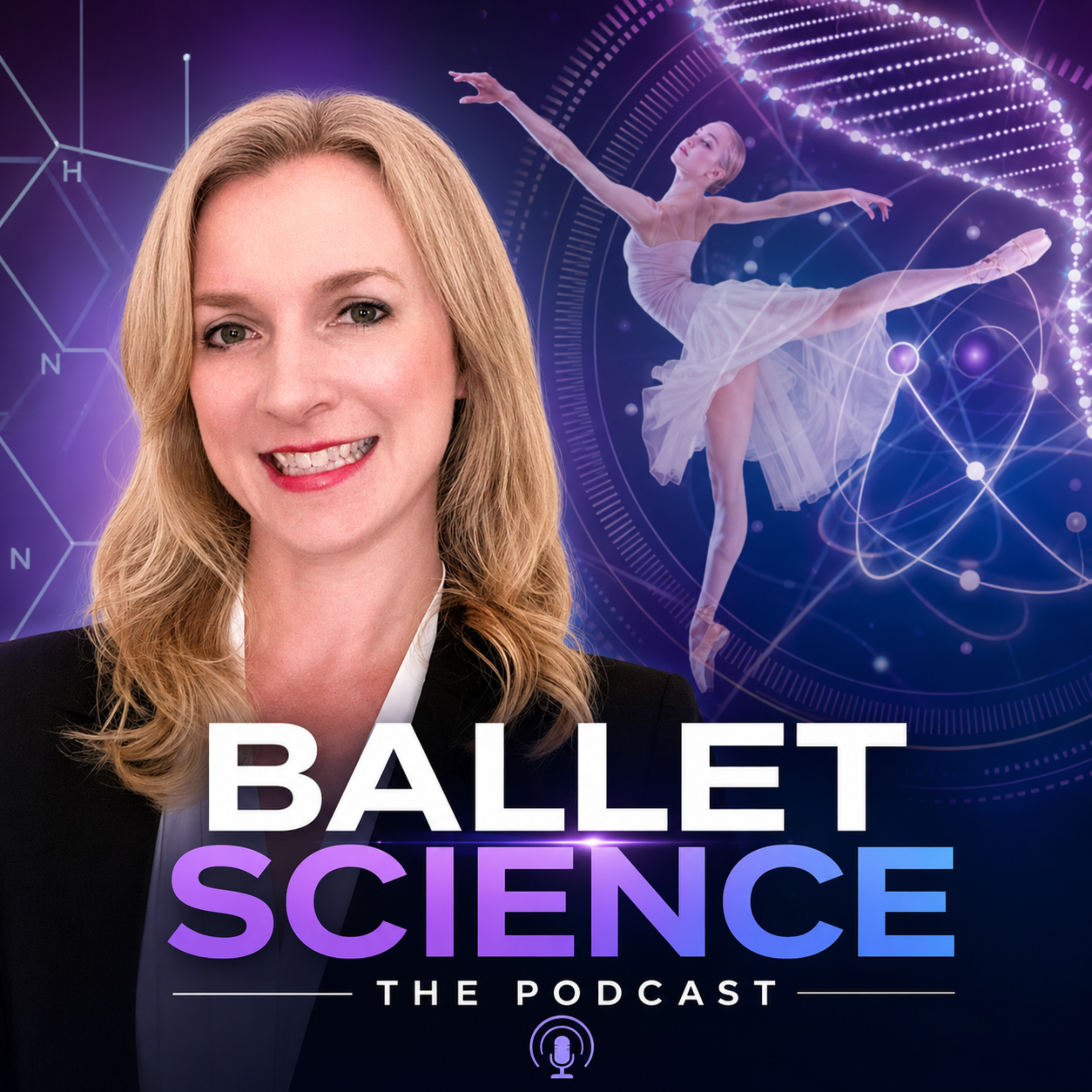
Show Notes
Recently, a comment circulated online from actor Timothée Chalamet claiming that “no one cares about ballet.”
Whether the remark was serious or joking, it sparked a lot of conversation in the dance world. Instead of debating the comment itself, this video asks a deeper question: Why should people care about ballet?
When you look at ballet through the lenses of art, science, culture, and human movement, it becomes clear that ballet is much more than a niche performance genre. Ballet sits at a fascinating intersection of storytelling, music, athleticism, neuroscience, and human expression.
In this episode of the Ballet Science Podcast, we explore why ballet matters not just to dancers... but to society as a whole.
Topics include: Ballet as a universal storytelling language The power of live performance and orchestral music Ballet as elite human athletic performance What biomechanics and neuroscience reveal about dance How ballet training influences balance, coordination, and motor control Why supporting the arts matters for culture and society
Ballet has endured for centuries because it connects art, movement, music, and emotion in a uniquely human way. And when societies support the arts... whether it's dance, film, theater, or music... they invest in creativity, imagination, and shared cultural experiences.
Join the Ballet Science E-mail List
Watch This Video On YouTube
Connect With Ballet Science: Website Instagram Facebook X Amazon Storefront E-mail: [email protected]
Hosted by Caroline Simpkins, Ph.D., the Ballet Science podcast brings science into the studio to help dancers of all ages and abilities give their best performances both onstage and off, and reveals how the science of ballet can benefit anyone who moves.
Each week, we explore the intersection of science and ballet... from injury prevention and biomechanics to nutrition, mindset, and everything in between. If you enjoyed this episode, please hit the subscribe button, leave a review, and share it with your friends and dance community. You can also follow Ballet Science on social media and visit our website for additional information.
Filming Equipment Affiliate Links: Microphone Pop Filter Mic Stand Prompter Large Key Light Small Key Light Eve Flare Light
More from Ballet Science
Ballet is physically demanding, but what about the mental side of dance? How can dancers manage performance anxiety, perfectionism, and the psychological challenges of injury and career transitions?
What does it really take to build a successful career as a professional dancer? It's about more than technique, auditions, and getting hired.
What happens when ballet becomes part of cancer recovery? In this episode of the Ballet Science Podcast, I’m joined by Anna Wassman-Cox, a former professional ballet dancer, two-time breast cancer survivor, and founder of Onco-Ballet.
What happens when a cancer diagnosis changes the body you've spent your entire life training?
Pointe training is one of the most demanding aspects of ballet... but are we teaching it in the most effective way?