Show Notes
What You’ll Learn in This Episode:
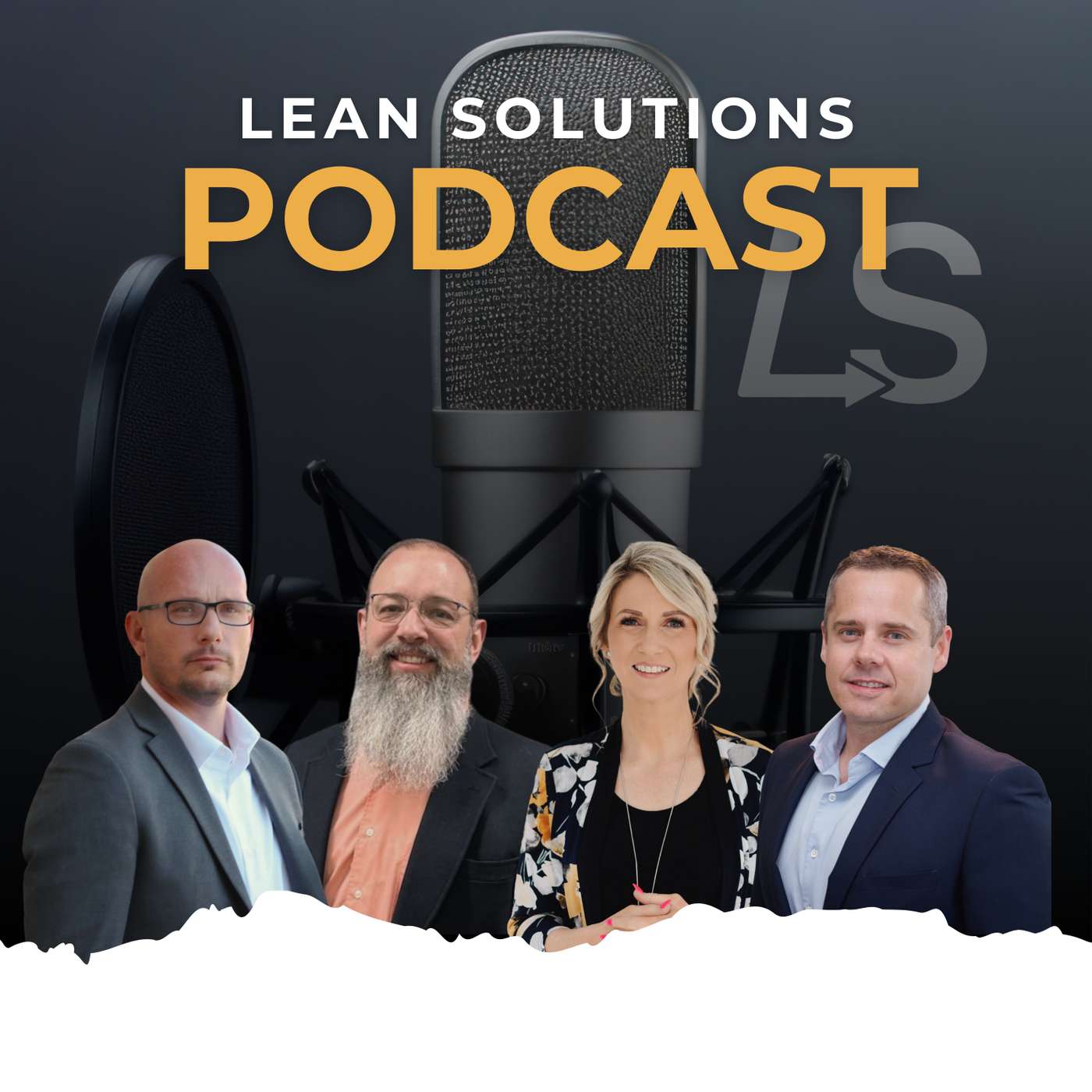
In this episode of the Lean Solutions Podcast, hosts Patrick Adams, Andy Olrich, and guest Steve Riley discuss the importance of leadership behaviors in maintaining Lean initiatives. They highlight how unintentional actions, such as not picking up trash or not following standard work, can undermine Lean efforts. Steve Riley, a manufacturing operations leader with over 30 years of experience, emphasizes the need for consistent leadership presence, protecting standards under pressure, and fostering team-led improvements. They also explore the significance of measuring both leading and lagging indicators to ensure continuous improvement. Additionally, Riley introduces his company's digital shadow board service, which simplifies the creation of tool organization systems.
Key Takeaways: Leadership behavior matters more than Lean tools What leaders do in the moment defines credibility Lean breaks when standards are optional Improvement must be part of daily work
Links: Lean Solutions 2026 Summit Lean Solutions Website Click Here for Steve Riley's LinkedIn [email protected] Tool Box Foam, 5S Lean, 5 S Lean | BespokeToolTrays.com
More from The Lean Solutions Podcast
What You’ll Learn in This Episode
What You’ll Learn in This Episode: In this episode, Patrick Adams and Catherine McDonald are joined by David Norris to explore why organizations should improve their processes before automating them. They discuss how jumping too quickly into automation or AI can result in organizations simply automating existing waste and complexity. David shares how leaders can understand the current state, identify root causes, involve the people doing the work, and eliminate unnecessary steps before introducing technology. The conversation also explores how to identify good opportunities for automation and build a culture where continuous improvement becomes part of everyday work. Episode 37_otter_ai_transcript Episode 37_otter_ai_transcript Key Takeaways: 1. Don’t automate waste—improve the process before adding technology 2. Understand the current state before designing the future state 3. Involve the people doing the work when identifying problems and improvement opportunities 4. Start small: choose one process, walk it, ask questions, and begin improving Links: https://www.linkedin.com/in/david-norris-17016b146/ https://elevatedmtnsolutions.com/
What You'll Learn in This Episode: In this episode, Patrick Adams and Shayne Daughenbaugh are joined by returning guest Olaf Boettger to explore how continuous improvement and daily management apply beyond traditional operations, including sales, commercial teams, innovation, and product development. They discuss why effective daily management requires the courage to identify problems instead of hiding them, how leaders can create an environment where people feel comfortable sharing bad news, and why curiosity, humility, and consistent leadership behaviors are essential for building a true culture of continuous improvement.