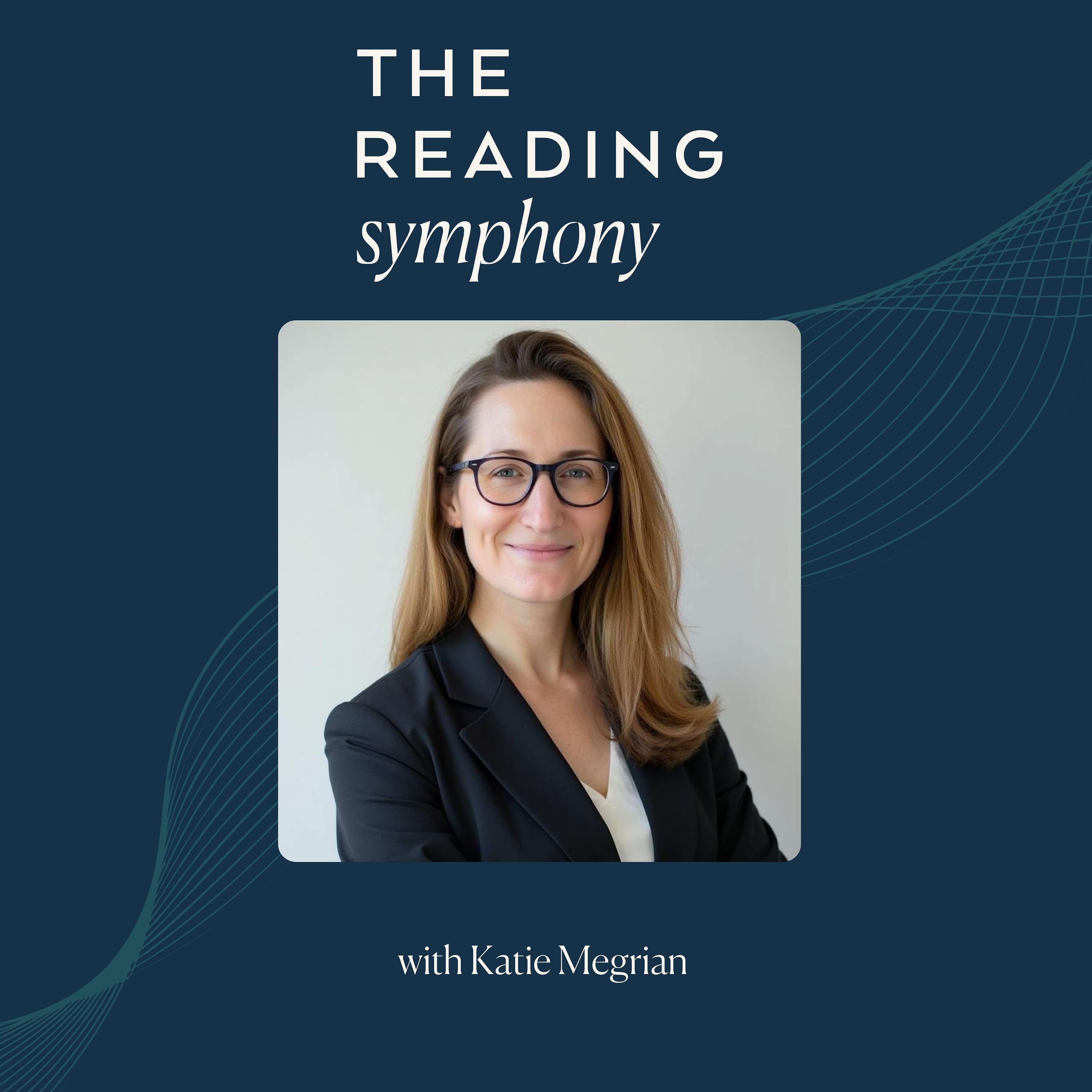
From Struggling to Successful: Teaching Reading with Linda Farrell and Michael Hunter
The Reading SymphonyShow Notes
Linda Farrell and Michael Hunter are founding partners at Readsters in Alexandria, VA. They work in schools all over the country to help educators provide assessment and instruction that ensures all students learn to read. Teachers tell Linda and Michael that they appreciate the practicality of their consulting and their presentations. The reason they can provide practical solutions for helping struggling readers is that they have taught struggling readers from ages 4½ to 81 to read. They also learn from the hundreds of teachers they have worked with in the classroom who work their magic every day with students. Linda and Michael have presented workshops about effective instruction for beginning and struggling readers for more than 20 years. They participated in reviewing required early reading courses in all colleges and universities in two states. They have coauthored curricula for struggling readers and diagnostic assessments to pinpoint decoding difficulties. Linda is the instructor in Looking at Reading Interventions on the Reading Rockets website. Michael is featured in videos used to demonstrate effective teaching techniques in LETRS modules. Episode Summary Katie sits down with two titans of literacy intervention — Michael Hunter and Linda Farrell — whose unconventional paths from investment banking and concrete construction led them to become nationally recognized reading specialists. Together, they unpack the most common reasons children struggle to read, how to identify exactly where a student is stuck, and the powerful (and often overlooked) practice strategies that make the difference between a child who can read and a child who reads fluently and automatically. https://www.readsters.com/ https://www.decodingdyslexia.net/
More from The Reading Symphony
In this episode of The Reading Symphony Podcast... Katie welcomes Meghan Hein, a second-grade teacher, former reading intervention specialist, and instructional coach with over 20 years of experience in education. Meghan shares how discovering the Science of Reading transformed her approach to literacy instruction, even after years of supporting struggling readers. Together, they discuss why experienced teachers are rethinking reading instruction, how phonics and decoding help children become stronger readers, how parents can recognize potential reading difficulties, and practical ways to support reading fluency at home. They also explore the importance of effective classroom instruction and communication between parents and teachers.
In this episode of The Reading Symphony Podcast... Katie talks with Kim Lockhart, literacy educator and teacher trainer, about why exposure alone isn't enough to teach children how to read - and how evidence-based instruction, oral language development, and structured literacy can help teachers reach struggling readers. Drawing on 25 years of teaching experience, Kim discusses the Science of Reading, structured literacy, the myth of learning styles, and why explicit, evidence-based instruction is essential for struggling readers. They also explore oral language development, French immersion, and practical ways parents and teachers can support children's literacy.
In this episode of The Reading Symphony Podcast... Katie talks with Rudo Kashiri, science educator, children’s book author, and former NASA educator, about how science, storytelling, and hands-on learning can help children develop stronger reading skills, build background knowledge, and become more curious learners.
In this episode of The Reading Symphony Podcast... Katie talks with Dr. Jen O’Sullivan, education researcher and lecturer, about what effective reading instruction looks like beyond phonics - and why strong literacy teaching needs to connect the different skills involved in learning to read.
In this episode of The Reading Symphony Podcast... Katie talks with Dr. Melissa Orkin, educator and developmental psychologist, about dyslexia, structured literacy, reading fluency, and why the emotional side of learning matters. Melissa explains how motivation, confidence, and a child’s willingness to make mistakes can affect reading development. They explore the difference between intrinsic motivation and rewards, how the RAVE-O approach connects different parts of the reading brain, and practical ways parents and teachers can build stronger readers.