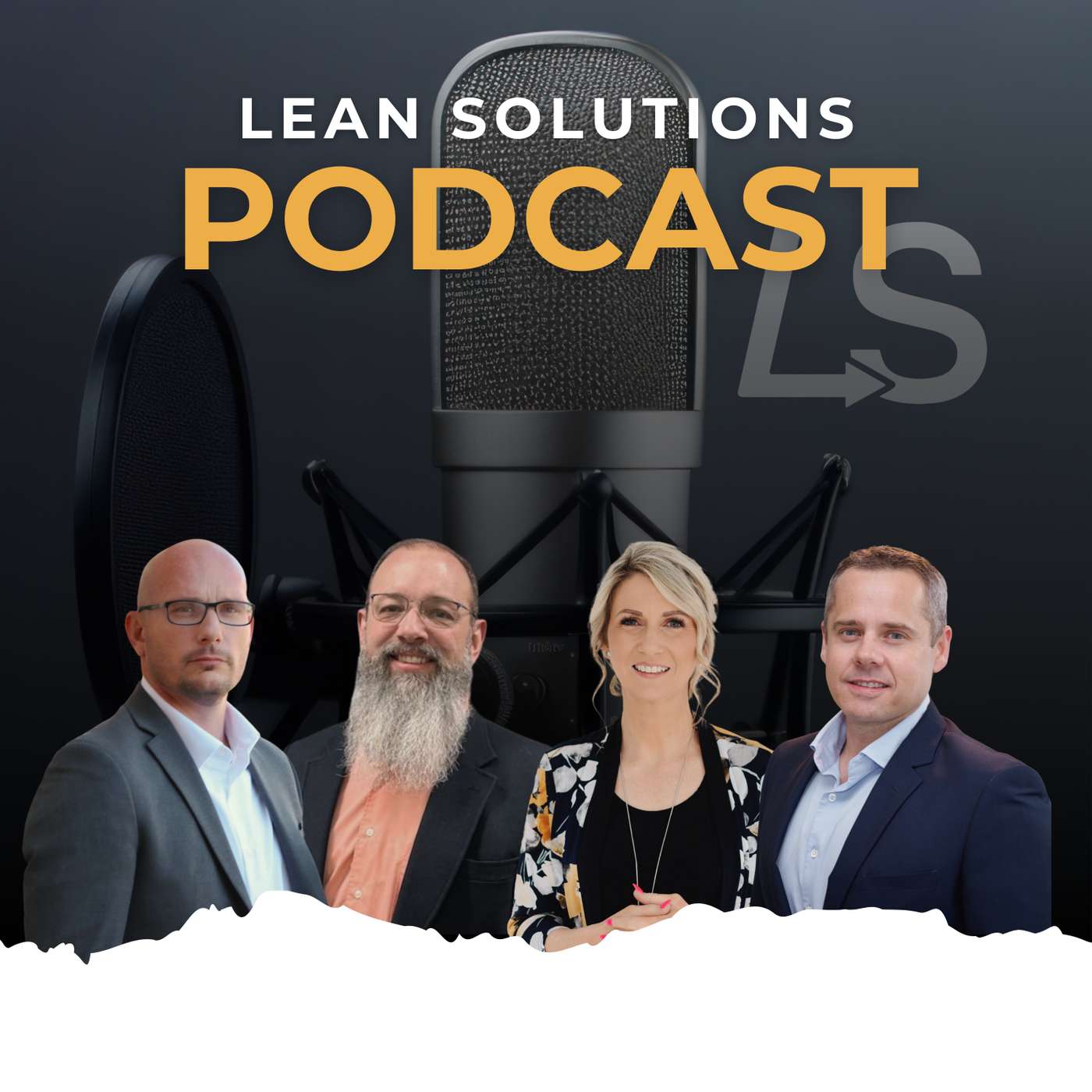
Show Notes
What You'll Learn in This Episode: In this episode, Andy Olrich and Catherine McDonald sit down with Andrew Kettner to discuss why one of the most overlooked leadership skills, eye contact, can have a profound impact on trust, communication, and continuous improvement. Andrew explains how effective leaders must look beyond reports, dashboards, and data by practicing Lean's "go and see" mindset. Through genuine face-to-face interactions, leaders gain valuable insights into emotions, engagement, and the real challenges their teams face. The conversation also explores the connection between eye contact, empathy, emotional intelligence, and building stronger workplace relationships. Andrew shares personal stories from his military leadership experience and cancer journey that demonstrate how meaningful human connections can influence both leadership and life. Whether you're leading a Lean transformation or simply looking to become a more effective leader, this episode offers practical ways to strengthen your leadership presence by learning to truly see the people you lead. Key Takeaways: Great leaders practice "go and see" by engaging directly with people—not just data. Eye contact builds trust, empathy, and stronger workplace relationships. Emotional intelligence helps leaders better understand both people and processes. Small, intentional interactions create stronger Lean cultures and better leadership. Links: https://www.linkedin.com/in/andrewkettner https://www.findleansolutions.com/ https://www.findleansolutions.com/lean-summit/
More from The Lean Solutions Podcast
What You’ll Learn in This Episode
What You’ll Learn in This Episode: In this episode, Patrick Adams and Catherine McDonald are joined by David Norris to explore why organizations should improve their processes before automating them. They discuss how jumping too quickly into automation or AI can result in organizations simply automating existing waste and complexity. David shares how leaders can understand the current state, identify root causes, involve the people doing the work, and eliminate unnecessary steps before introducing technology. The conversation also explores how to identify good opportunities for automation and build a culture where continuous improvement becomes part of everyday work. Episode 37_otter_ai_transcript Episode 37_otter_ai_transcript Key Takeaways: 1. Don’t automate waste—improve the process before adding technology 2. Understand the current state before designing the future state 3. Involve the people doing the work when identifying problems and improvement opportunities 4. Start small: choose one process, walk it, ask questions, and begin improving Links: https://www.linkedin.com/in/david-norris-17016b146/ https://elevatedmtnsolutions.com/
What You'll Learn in This Episode: In this episode, Patrick Adams and Shayne Daughenbaugh are joined by returning guest Olaf Boettger to explore how continuous improvement and daily management apply beyond traditional operations, including sales, commercial teams, innovation, and product development. They discuss why effective daily management requires the courage to identify problems instead of hiding them, how leaders can create an environment where people feel comfortable sharing bad news, and why curiosity, humility, and consistent leadership behaviors are essential for building a true culture of continuous improvement.