Show Notes
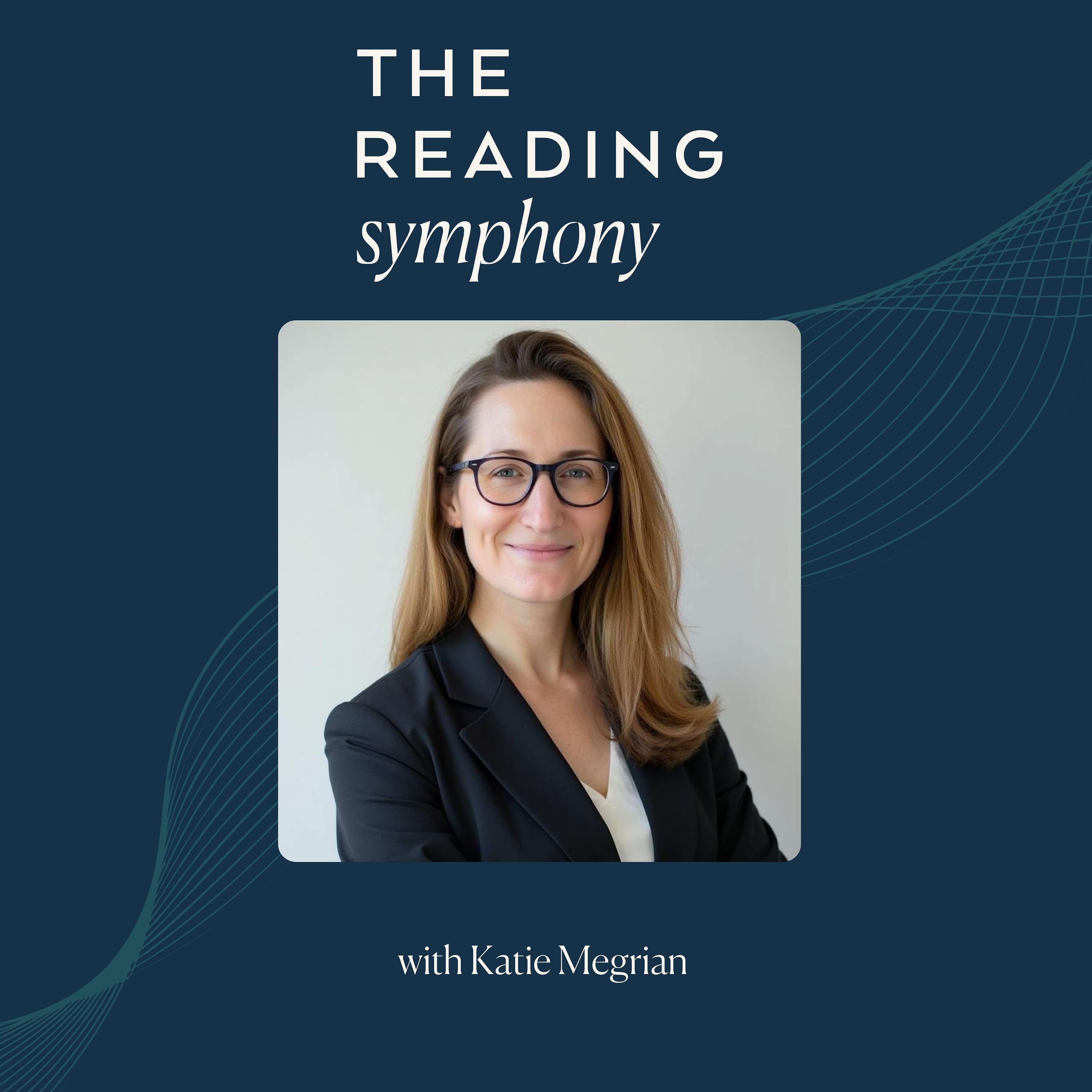
The Reading Symphony Podcast helps families and caregivers understand how reading develops and what truly supports reading success, with clarity, compassion, and evidence-based guidance. Host Katie Megrian (educator, parent, and literacy advocate) interviews experts who translate research into practical next steps for home and school. In this episode, Katie is joined by Kate Winn, an Ontario educator, literacy advocate, and co-author of Reading Assessment Done Right: Tools and Techniques for Data-Driven Instruction. With 25+ years of experience across K–8, Kate breaks down what structured literacy looks like in real classrooms and how families can spot strong instruction. They cover the essentials of evidence-based reading instruction (phonemic awareness, phonics, fluency, vocabulary, comprehension, and writing), green flags parents can look for (explicit phonics, decodable texts, letter-sound practice, rich read-alouds), and red flags to avoid (predictable/leveled readers that encourage guessing, and level-based assessment language). Kate also explains a clear K–3 assessment system—universal screening, diagnostic assessment, and progress monitoring—and offers time-efficient ways families can support reading at home, including oral language, read-alouds, and short practice routines. Books mentioned: Zoe and Sassafras series; Dog in Boots by Greg Gormley Find Kate: Instagram @katethismomloves; Reading Road Trip podcast (IDA Ontario) More from Katie: Substack katiemegrian.substack.com; Instagram @thereadingsymphony
More from The Reading Symphony
In this episode of The Reading Symphony Podcast... Katie welcomes Meghan Hein, a second-grade teacher, former reading intervention specialist, and instructional coach with over 20 years of experience in education. Meghan shares how discovering the Science of Reading transformed her approach to literacy instruction, even after years of supporting struggling readers. Together, they discuss why experienced teachers are rethinking reading instruction, how phonics and decoding help children become stronger readers, how parents can recognize potential reading difficulties, and practical ways to support reading fluency at home. They also explore the importance of effective classroom instruction and communication between parents and teachers.
In this episode of The Reading Symphony Podcast... Katie talks with Kim Lockhart, literacy educator and teacher trainer, about why exposure alone isn't enough to teach children how to read - and how evidence-based instruction, oral language development, and structured literacy can help teachers reach struggling readers. Drawing on 25 years of teaching experience, Kim discusses the Science of Reading, structured literacy, the myth of learning styles, and why explicit, evidence-based instruction is essential for struggling readers. They also explore oral language development, French immersion, and practical ways parents and teachers can support children's literacy.
In this episode of The Reading Symphony Podcast... Katie talks with Rudo Kashiri, science educator, children’s book author, and former NASA educator, about how science, storytelling, and hands-on learning can help children develop stronger reading skills, build background knowledge, and become more curious learners.
In this episode of The Reading Symphony Podcast... Katie talks with Dr. Jen O’Sullivan, education researcher and lecturer, about what effective reading instruction looks like beyond phonics - and why strong literacy teaching needs to connect the different skills involved in learning to read.
In this episode of The Reading Symphony Podcast... Katie talks with Dr. Melissa Orkin, educator and developmental psychologist, about dyslexia, structured literacy, reading fluency, and why the emotional side of learning matters. Melissa explains how motivation, confidence, and a child’s willingness to make mistakes can affect reading development. They explore the difference between intrinsic motivation and rewards, how the RAVE-O approach connects different parts of the reading brain, and practical ways parents and teachers can build stronger readers.