Show Notes
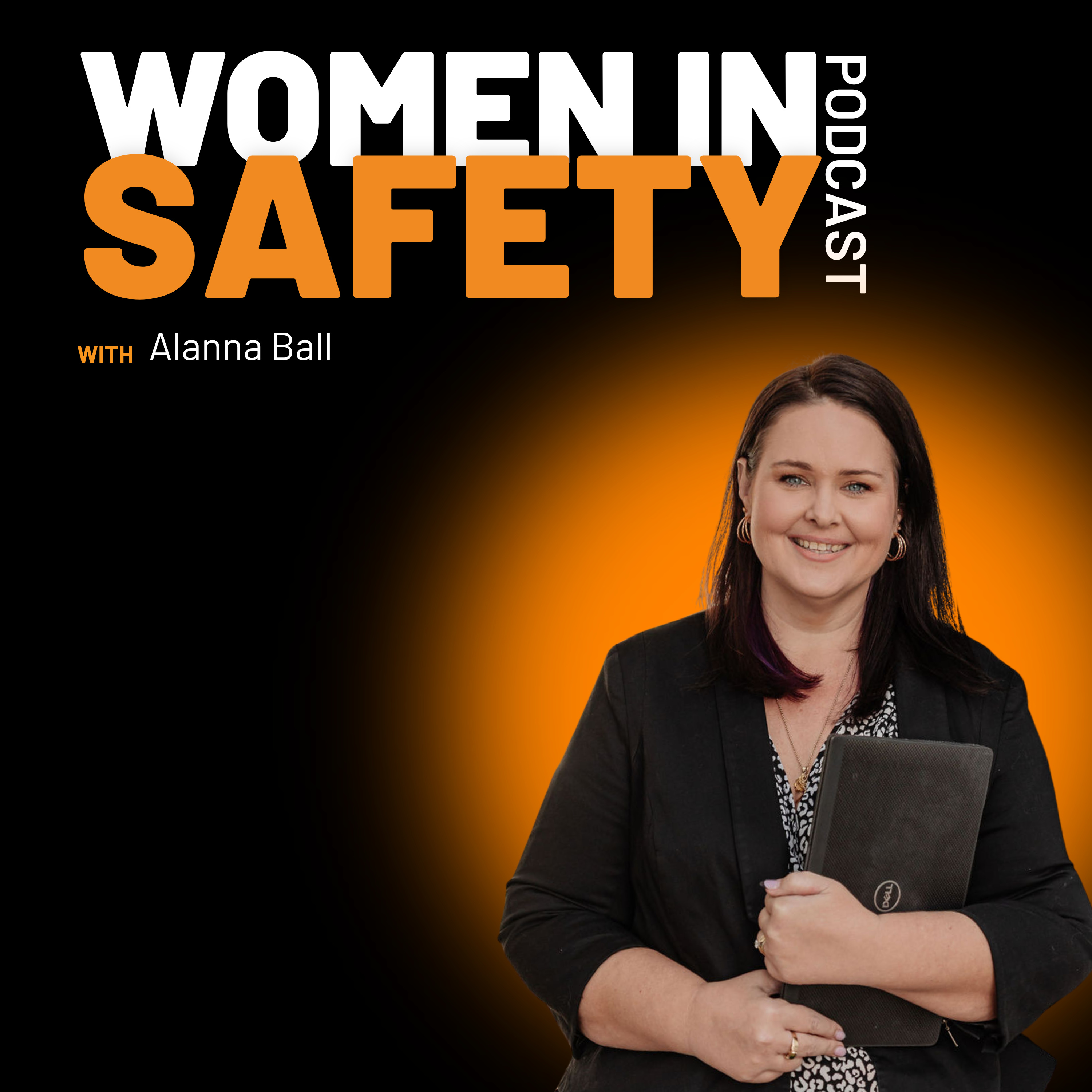
In this episode of the Women in Safety podcast, Alanna Ball explores the pressing issue of burnout in the health and safety profession. Drawing from a recent article by Amanda Lyras, a partner at Clayton Utz, Alanna explores the psychosocial risks associated with long working hours and the cultural shift needed to address them.
Alanna shares her personal journey of overcoming burnout and the importance of creating a balanced work environment. She discusses practical strategies like time blocking and self-care, urging listeners to reflect on their own work habits and the systemic issues within their organisations.
Key takeaways: - Recognising the signs of burnout and fatigue in yourself and your team. - Implementing practical controls to manage workloads and track working hours. - Encouraging open conversations about overwork and its impact on health and safety.
Join Alanna and the Women in Safety community as they empower each other to thrive in their careers without sacrificing well-being.
Don't miss this insightful episode that challenges the hustle culture and promotes a healthier approach to work.
Got questions? Connect with us on Instagram - https://www.instagram.com/womeninsafety/
Email us - [email protected]
Sign up for the newsletter - https://www.womeninsafety.net/
Don’t forget to share this episode with your network and help us spread the word about the incredible work being done in the health and safety profession!
Be sure to hit follow on Spotify or the + on Apple Podcasts to get the latest episodes. If you share this episode on your socials, be sure to tag @womeninsafety
More from Women in Safety Podcast
Shift Work, Fatigue and Health: Are We Preparing People Properly? Shift work asks a lot of the human body. But are workers given the knowledge and support they need to manage its impact on their health and performance?
Making Safety Training Work for Rural and Remote Agriculture
Is Safety Culture Really Separate From Organisational Culture?
What if the way we talk about wear and tear is actually influencing how people think about their bodies, their work and their risk of injury?